

















Virtual Reality Games for Education: Immersive Experiences, Real Learning
Introduction
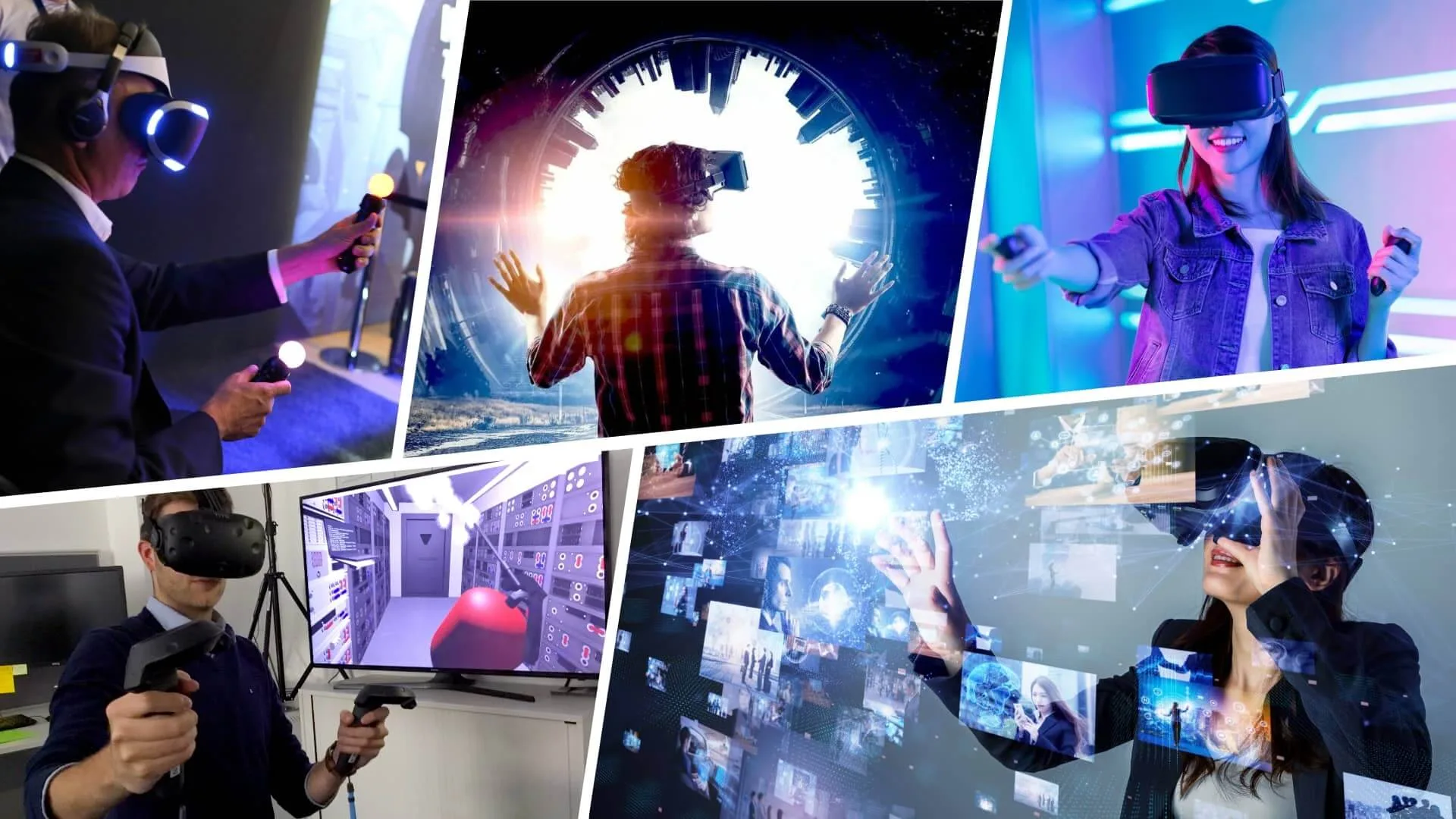
In the rapidly evolving landscape of education, technology continues to play a pivotal role in transforming the learning experience. One of the most groundbreaking developments is the integration of virtual reality (VR) games into educational practices. These immersive experiences offer students a unique and engaging way to explore various subjects, bridging the gap between theoretical knowledge and real-world applications.
The use of VR games in education goes beyond mere entertainment; it opens up new avenues for interactive and experiential learning. This article delves into the world of virtual reality games for education, exploring their potential benefits, diverse applications, and the future of integrating VR into the learning environment.
The Power of Virtual Reality in Education
Understanding Virtual Reality in Education
Before diving into the realm of VR games, it’s essential to grasp the concept of virtual reality itself. Virtual reality is a technology that immerses users in a computer-generated environment, simulating real-life experiences through sensory feedback. In an educational context, VR enables students to explore concepts, historical events, scientific phenomena, and more in a highly interactive and captivating manner.
The Benefits of VR in Education
Virtual reality games offer numerous benefits for educators and students alike. From increased engagement to improved retention, the advantages of integrating VR into educational settings are significant. Let’s explore some key benefits:
1. Enhanced Learning Experience
VR games provide students with an immersive and interactive learning experience. Instead of passively absorbing information, learners actively engage with the content, leading to a deeper understanding of the subject matter.
2. Experiential Learning
Incorporating VR into education allows students to experience real-world situations and scenarios that might otherwise be challenging to recreate in traditional classrooms. This experiential learning approach fosters critical thinking and problem-solving skills.
3. Multi-Sensory Learning
VR engages multiple senses, such as sight, sound, and touch, to create a holistic learning experience. This multi-sensory approach enhances memory retention and knowledge recall.
4. Increased Engagement
VR games captivate students’ attention, making the learning process enjoyable and exciting. Increased engagement leads to higher motivation and active participation in the educational journey.
5. Safe Learning Environment
Certain subjects, such as hazardous experiments or historical events, may not be feasible or safe to replicate in real life. VR offers a risk-free environment for students to explore such topics.
Applications of VR Games in Education
Virtual reality games have ushered in a new era of immersive and interactive learning experiences, revolutionizing education across various disciplines. Educators and students alike are exploring the vast potential of VR in transforming traditional teaching methods into engaging and impactful educational journeys. Let’s delve into some of the key applications of VR games in different fields of education:
1. Science and Medicine
In the fields of science and medicine, VR has become a powerful tool for education and training. Medical students can now benefit from realistic simulations of surgical procedures, allowing them to practice and refine their skills in a risk-free environment. VR also enables students to explore the intricacies of the human body, witnessing complex anatomical structures and physiological processes in three-dimensional space. By interacting with virtual patients, medical learners gain invaluable experience and confidence before transitioning to real-world clinical settings.
Moreover, VR applications extend to scientific disciplines beyond medicine. Students studying biology, chemistry, and physics can venture into the microscopic world of cells, delve into chemical reactions, and witness complex physical phenomena that would be otherwise challenging to replicate in traditional classrooms. These interactive and immersive experiences enhance scientific understanding and nurture a passion for exploration.
2. History and Archaeology
History lessons come alive with the integration of virtual reality games. VR enables students to step back in time and experience historical events firsthand. They can virtually visit ancient civilizations, walk through historical landmarks, and participate in significant moments that shaped the course of history. By immersing themselves in historical settings, students gain a deeper appreciation for the events and decisions that have shaped the world.
Archaeology students also benefit from VR applications, as they can virtually explore archaeological sites and conduct virtual excavations. The ability to uncover artifacts and analyze historical contexts in a virtual environment facilitates experiential learning and encourages students to think like historians and archaeologists.
3. Geography and Geology
Geography and geology classes take on a whole new dimension with VR. Through virtual field trips, students can explore geographic locations and geological formations from the comfort of their classrooms. From traversing the Amazon rainforest to studying the formation of volcanoes, VR provides an opportunity for students to engage with geographical concepts in an interactive and visually stimulating manner. Virtual field trips eliminate geographical barriers and offer educational experiences beyond the confines of textbooks.
4. Language Learning
Virtual reality games are making language learning more engaging and effective. Language learners can now practice their conversational skills with virtual native speakers, providing a dynamic and immersive language learning experience. These simulations allow students to interact and communicate in real-life situations, building their confidence and fluency. The interactive nature of VR language learning facilitates practical language application, accelerating the learning process.
5. Art and Design
For aspiring artists and designers, VR opens up a world of creative possibilities. VR applications enable students to design and manipulate 3D models within a virtual space, providing a hands-on and intuitive creative experience. From sculpting virtual clay to painting in three-dimensional space, VR empowers students to experiment and refine their artistic skills. These innovative tools expand the horizons of art and design education, allowing students to explore new mediums and artistic expressions.
6. Environmental Science and Sustainability
Virtual reality has a role to play in environmental science education, too. Students can witness the impact of human activities on ecosystems and explore environmental challenges, such as deforestation and climate change, in a virtual setting. These simulations foster a deeper understanding of ecological systems and inspire environmentally conscious decision-making.
Check out: Serious Games in the Classroom: Playful Solutions for Complex Learning
Challenges and Future Prospects
While virtual reality games in education offer a wealth of benefits, they also come with their fair share of challenges. Educators, administrators, and developers must address these obstacles to fully harness the potential of VR in the educational landscape. Additionally, looking ahead to the future, there are exciting prospects that hold promise for further advancements and integration of VR in learning environments.
1. Cost and Accessibility:
One of the primary challenges facing the widespread adoption of VR in education is the initial cost associated with acquiring VR hardware and software. High-quality VR headsets, controllers, and compatible devices can be expensive, making it difficult for some educational institutions, especially those with limited budgets, to invest in this technology. Additionally, ensuring equitable access to VR resources for all students can be a concern, as not all learners may have access to the necessary equipment outside of the classroom.
2. Content Development:
Creating educational VR content requires a significant investment of time, resources, and expertise. Educators and developers must collaborate to design content that aligns with specific learning objectives and curriculum standards. Developing interactive and engaging VR experiences that complement classroom teaching demands careful planning and thorough research. As VR technology evolves, updating and expanding the content library to meet changing educational needs is an ongoing challenge.
3. Integration with Curriculum:
Effectively integrating VR into existing curricula is a critical consideration for educators. VR experiences should seamlessly complement traditional teaching methods rather than replace them. Ensuring that VR activities align with learning objectives and add value to the educational journey is essential. Educators need to strike a balance between technology-driven experiences and more traditional instructional methods to create a cohesive and effective learning environment.
4. Evolving Technology:
The rapid pace of technological advancements in the VR industry can be both a blessing and a challenge for educators. On the one hand, cutting-edge developments offer exciting opportunities for more immersive and sophisticated learning experiences. However, staying up-to-date with the latest advancements and understanding how to leverage new features can be time-consuming and require ongoing professional development for educators.
Future Prospects:
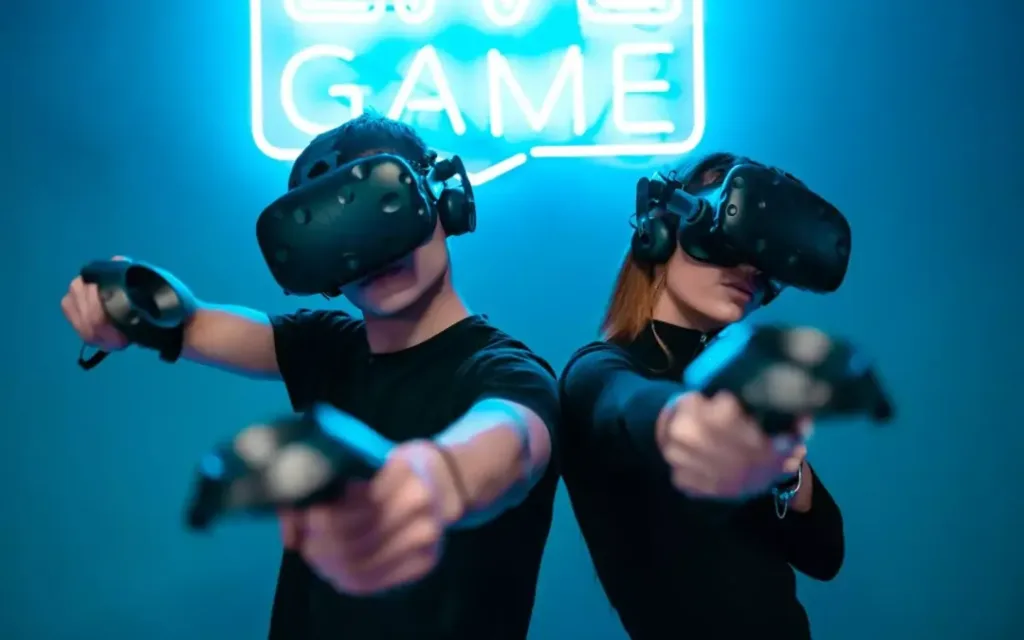
Despite the challenges, the future of virtual reality in education holds immense promise. As technology continues to advance, the cost of VR hardware and software is likely to decrease, making it more accessible to educational institutions of all sizes. The development of more user-friendly authoring tools may also streamline the process of creating educational VR content, empowering educators to design their own immersive experiences.
As VR becomes more ingrained in education, a greater emphasis on collaboration between educators and VR developers is likely to emerge. This collaboration will result in the creation of curriculum-aligned VR content that caters to the specific needs of different subjects and age groups. Additionally, partnerships between educational institutions and VR companies may lead to innovative solutions for financing VR implementations, making it more feasible for schools with limited budgets.
In the future, VR may transcend the boundaries of traditional classrooms, allowing students to engage in remote and collaborative learning experiences. Virtual classrooms and collaborative VR spaces could facilitate global educational exchanges, enabling students from different parts of the world to interact and learn together.
Moreover, advances in VR technology may lead to the development of more sophisticated tracking and analytics systems. These systems could provide educators with valuable insights into student engagement, learning progress, and individual learning styles, ultimately enhancing personalized learning experiences.
As VR technology continues to evolve, it has the potential to revolutionize education by making learning more interactive, experiential, and engaging. The future of virtual reality games in education looks promising, and as educators and developers work together to address current challenges, VR will undoubtedly become an integral part of the educational landscape, shaping the future of learning for generations to come.
The Future of VR in Education
Virtual reality (VR) in education has the potential to reshape the entire learning landscape, paving the way for a more engaging, interactive, and immersive educational experience. As technology continues to evolve at a rapid pace, the future of VR in education looks promising and holds significant implications for students, educators, and institutions alike.
1. Advancements in VR Technology
As with any technology, VR is constantly evolving and improving. Advancements in hardware, software, and content development are making VR more accessible and user-friendly. Higher resolution displays, improved tracking systems, and more realistic simulations are on the horizon, enhancing the overall VR experience for users. Additionally, the shrinking size and cost of VR equipment will make it more feasible for educational institutions to incorporate VR into their classrooms.
2. Personalized Learning Experiences
One of the most significant advantages of VR in education is its ability to offer personalized learning experiences. Through adaptive learning algorithms, VR can analyze individual students’ progress, strengths, and weaknesses, tailoring the content and challenges to suit their specific needs. This personalized approach can significantly improve student engagement, motivation, and knowledge retention.
3. Collaborative Learning Opportunities
VR has the potential to foster collaboration and teamwork among students. In virtual environments, learners from different parts of the world can come together to work on projects, solve problems, and exchange ideas. This global collaboration not only enhances students’ cultural awareness but also prepares them for the interconnected world they will encounter in their future careers.
4. Simulations for Real-World Skills
VR simulations can offer hands-on training for real-world skills, especially in fields like medicine, engineering, and industrial training. Medical students can practice surgeries, engineering students can experiment with prototypes, and aspiring pilots can simulate flights, all within a safe and controlled environment. This application of VR can bridge the gap between theory and practice, providing students with invaluable experiential learning opportunities.
5. Virtual Field Trips
Traditional field trips can be logistically challenging and limited by location and resources. VR can revolutionize the concept of field trips by allowing students to virtually visit historical landmarks, explore distant ecosystems, or even travel to outer space. These virtual field trips can broaden students’ horizons and expose them to experiences they may not otherwise have access to.
6. VR and Special Education
VR holds immense potential for students with special needs or learning disabilities. Virtual reality environments can be customized to accommodate individual learning styles and sensory preferences, providing an inclusive and supportive learning environment for all students.
7. Augmented Reality Integration
As augmented reality (AR) technology continues to advance, its integration with VR can further enrich the educational experience. AR overlays virtual elements onto the real-world environment, enabling students to interact with both physical and digital content simultaneously. This hybrid approach can unlock endless possibilities for innovative learning experiences.
8. Virtual Classrooms and Remote Learning
The COVID-19 pandemic accelerated the adoption of remote learning, and VR can take this concept to the next level. Virtual classrooms equipped with VR capabilities can simulate traditional classroom settings, allowing students and teachers to interact and engage in real time, even when physically distant. This technology can revolutionize distance education and make learning accessible to students worldwide.
9. Training and Professional Development
Beyond formal education, VR has applications in corporate training and professional development. Employees can undergo virtual training sessions, experience real-life scenarios, and develop their skills without the need for physical resources. This cost-effective and efficient training method can benefit various industries and enhance employee performance.
10. Ethical Considerations
As VR becomes more prevalent in education, ethical considerations must be addressed. Ensuring data privacy, protecting students from potentially harmful content, and maintaining equitable access to VR technology are vital aspects to be managed responsibly.
Check out: Educational Board Games: A Timeless Approach to Learning and Fun
FAQs about Virtual Reality Games in Education
- Q: Are virtual reality games only suitable for older students?
- A: No, VR games can be adapted to various age groups and educational levels. Developers create content for learners of all ages.
- **Q: How can educators ensure VR games align with learning objectives?**
- A: Collaboration between educators and VR developers is crucial to designing content that aligns with educational objectives.
- Q: Is VR in education a passing trend or a lasting innovation?
- A: VR in education is more than just a trend; it is a transformative innovation with the potential to revolutionize learning.
- Q: Are there VR games available for different educational subjects?
- A: Yes, VR games cover a wide range of educational subjects, from STEM disciplines to humanities and arts.
- Q: Can VR games replace traditional teaching methods entirely?
- A: While VR offers unique benefits, it is most effective when integrated with traditional teaching methods, enhancing the overall learning experience.
- Q: How can schools overcome financial constraints related to implementing VR?
- A: Seeking partnerships with VR developers, applying for grants, and exploring cost-effective VR solutions are some ways to overcome financial barriers.
Conclusion
Virtual reality games for education open up exciting possibilities for immersive and experiential learning. With the potential to enhance engagement, retention, and understanding, VR is revolutionizing education across diverse subjects and disciplines. As technology continues to evolve, the integration of VR in educational settings will become more accessible and widespread, bringing students closer to real-world experiences and transforming the way they learn. Embracing VR in education is not just a passing trend; it is a visionary step toward a more engaging and effective learning journey.




Trackbacks/Pingbacks