














Using Gamification to Motivate Students: Fun and Achievement in Education
Introduction
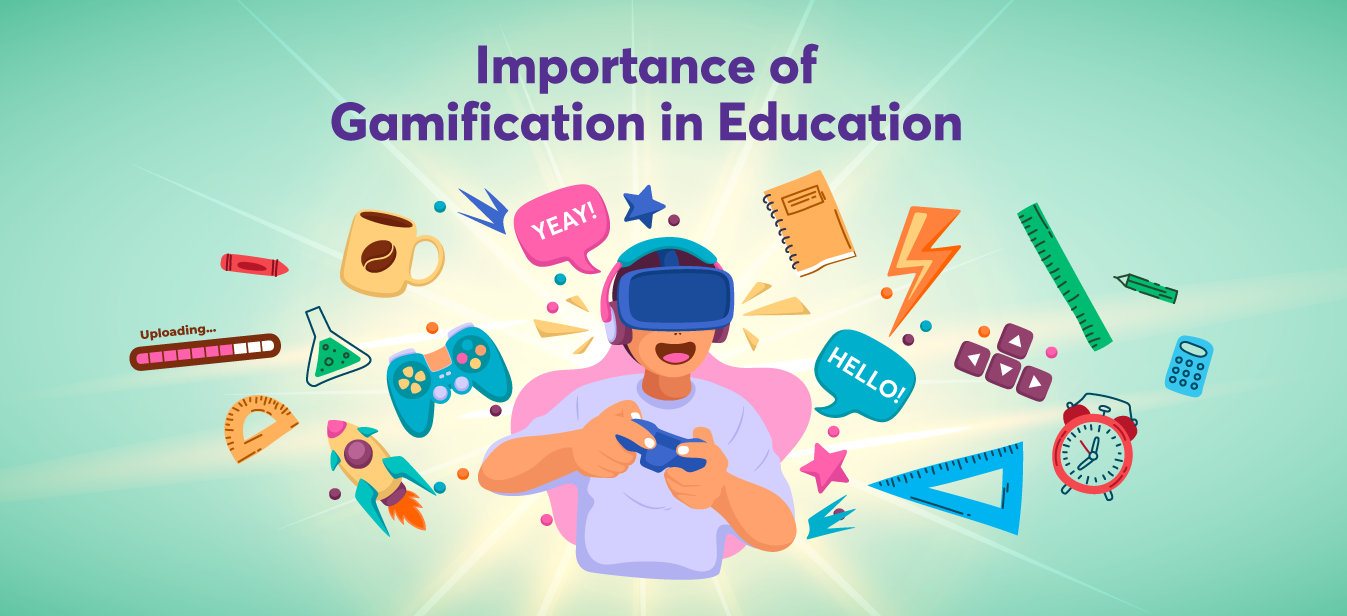
In the dynamic landscape of education, educators are continually seeking innovative ways to engage students and enhance their learning experiences. One such powerful tool that has gained popularity is gamification. By incorporating game elements into the learning process, gamification aims to motivate students, making education an enjoyable and rewarding journey. This comprehensive article delves into the concept of gamification in education, highlighting its impact, benefits, and best practices to effectively motivate students.
Using Gamification to Motivate Students: Fun and Achievement in Education
Gamification, defined as the integration of game mechanics into non-game contexts, has emerged as a transformative approach in education. By harnessing the inherent human desire for achievement and competition, gamification fosters a sense of accomplishment and progress in students, spurring them to engage actively in their learning journey.
The Power of Intrinsic Motivation
One of the key reasons why gamification is effective in motivating students is its ability to tap into intrinsic motivation. Unlike traditional extrinsic motivators such as grades or rewards, intrinsic motivation comes from within and is driven by a genuine interest in the subject matter. Gamification creates a positive and enjoyable learning environment that encourages students to participate willingly, driven by the joy of learning itself.
Benefits of Gamification in Education
1. Enhanced Student Engagement
Gamification transforms passive learners into active participants. By introducing game elements like challenges, achievements, and leaderboards, students become more invested in the learning process, leading to increased engagement and interaction with the educational content.
2. Personalized Learning Paths
Gamification allows educators to tailor learning experiences to individual student needs. Through adaptive game mechanics, students can progress at their own pace, receiving immediate feedback and personalized challenges based on their performance.
3. Increased Retention and Recall
When students are actively engaged in a gamified learning environment, they are more likely to retain and recall information effectively. The interactive and immersive nature of gamification promotes better memory retention, making learning a lasting experience.
4. Positive Classroom Culture
The fun and collaborative aspects of gamification foster a positive classroom culture. Students are encouraged to work together, support one another, and celebrate each other’s achievements, leading to a more inclusive and supportive learning environment.
5. Boost in Problem-Solving Skills
Gamification often involves solving challenges and puzzles, promoting critical thinking and problem-solving skills in students. As they tackle obstacles and overcome hurdles, students develop resilience and resourcefulness.
6. Real-World Application
Gamification can simulate real-world scenarios, enabling students to apply their knowledge practically. By contextualizing learning, students understand the relevance of their education and its impact on their lives.
Check out: The Basics of Personal Finance: Mastering Budgeting and Saving
Integrating Gamification into the Curriculum
Integrating gamification into the curriculum is a strategic and well-thought-out process that aims to infuse educational content with game elements to enhance student engagement, motivation, and learning outcomes. By leveraging the power of game mechanics and design principles, educators can create a dynamic and immersive learning experience that captivates students and encourages active participation in their educational journey. Let’s explore the key aspects and considerations involved in successfully integrating gamification into the curriculum.
1. Identifying Learning Objectives and Game Elements
The first step in integrating gamification is to identify the specific learning objectives and outcomes for each subject or topic. Educators must have a clear understanding of what they want students to achieve through gamified activities. These objectives serve as the foundation for designing relevant and meaningful game elements.
Game elements refer to the components of gamification, such as points, badges, leaderboards, and challenges. Each game element should align with a specific learning objective and serve to reinforce students’ progress and achievements. For example, earning points for completing quizzes or challenges can motivate students to stay engaged and track their learning progress.
2. Choosing Appropriate Gamification Platforms or Tools
There are various gamification platforms and tools available that cater to different educational needs and preferences. Educators should explore these options and select the ones that align best with their curriculum and teaching style. Some popular gamification tools include Classcraft, Kahoot!, and ClassDojo.
When choosing a gamification platform, educators should consider factors such as ease of use, integration with existing learning management systems, and the ability to customize game elements to suit their specific requirements. Additionally, ensuring that the platform provides data analytics and reporting features allows educators to monitor students’ progress and assess the effectiveness of gamified activities.
3. Designing Engaging Game-Based Activities
The success of gamification lies in designing engaging and meaningful game-based activities that resonate with students. The activities should be challenging enough to stimulate critical thinking and problem-solving skills while being enjoyable and interactive.
Educators can design gamified activities such as quizzes, scavenger hunts, role-playing simulations, and collaborative challenges that align with the curriculum. Incorporating storytelling elements and immersive narratives can also enhance students’ emotional connection to the learning process.
4. Encouraging Collaboration and Healthy Competition
Gamification offers opportunities for both collaboration and healthy competition among students. Collaborative activities foster teamwork and communication skills, allowing students to learn from one another and share knowledge. On the other hand, healthy competition can motivate students to strive for excellence and push their boundaries to achieve better results.
Educators can design gamified challenges that encourage teamwork and friendly competition. For example, students can work in teams to solve complex problems or compete in online quizzes to earn rewards and recognition. Balancing collaboration and competition ensures a well-rounded and inclusive gamification experience.
5. Providing Timely Feedback and Recognition
Timely feedback and recognition are essential in gamification, as they reinforce positive behavior and progress. Students should receive immediate feedback on their performance in gamified activities, allowing them to understand their strengths and areas for improvement.
Educators can provide feedback through in-game notifications or personalized messages. Additionally, recognizing students’ achievements through badges, certificates, or virtual rewards enhances their sense of accomplishment and encourages continued effort.
6. Evaluating and Iterating the Gamification Strategy
As with any educational approach, continuous evaluation and improvement are vital in gamification. Educators should regularly assess the effectiveness of gamified activities in achieving learning objectives and student engagement levels.
Using data analytics and student feedback, educators can identify areas of improvement and make informed decisions to refine the gamification strategy. An iterative approach allows for the continuous enhancement of gamified activities to better meet students’ needs and preferences.

Examples of Gamification in Education
Gamification has emerged as a transformative approach in education, bringing elements of play and competition into the learning process. By incorporating game mechanics and design principles, educators can create interactive and immersive learning experiences that make education fun and enjoyable for students.
Educational Quizzes and Challenges
One of the most common examples of gamification in education is the use of educational quizzes and challenges. Platforms like Kahoot! and Quizlet allow educators to create interactive quizzes with points, timers, and leaderboards. Students can participate in these quizzes individually or in teams, competing against their peers to answer questions correctly and earn points. The element of competition adds excitement to the learning process, encouraging students to actively engage with the material and test their knowledge.
Badges and Achievements
Awarding digital badges and achievements is another effective way to gamify the learning experience. As students accomplish specific milestones or master certain skills, they receive virtual badges as a form of recognition. Badges act as a visual representation of their accomplishments and progress, instilling a sense of pride and motivation. Additionally, badges can be used to unlock new challenges or content, encouraging students to continue their learning journey.
Classroom Leaderboards
Introducing classroom leaderboards is an excellent method to promote healthy competition and motivate students to excel. Leaderboards display students’ progress, points, or achievements, allowing them to see how they rank compared to their peers. The sense of friendly competition encourages students to strive for improvement and work towards the top spot on the leaderboard. However, it is essential to balance competition with a supportive and inclusive classroom environment to avoid discouraging less competitive students.
Story-Based Learning
Story-based learning involves creating narrative-based scenarios and role-playing games to immerse students in the learning experience. Educators can design interactive stories that require students to make decisions and solve problems based on the subject matter. Story-based learning makes abstract concepts more relatable and engaging, as students become active participants in the narrative. This approach fosters critical thinking and problem-solving skills, as students must navigate through challenges and make informed choices.
Virtual Currency and Rewards
Introducing virtual currency or points that students can earn and redeem for rewards adds an extra layer of motivation to the learning process. By accumulating virtual currency, students can access special privileges, personalized rewards, or even redeem points for tangible incentives like extra credit or small treats. Virtual currency systems can be tailored to fit the age group and learning objectives, creating a sense of achievement and excitement as students work towards earning rewards.
Gamified Learning Platforms
There are various gamified learning platforms available that offer comprehensive gamification features for educators. Classcraft, for example, provides a role-playing game-style approach to classroom management and learning. Students create avatars, form teams, and earn experience points for completing assignments or displaying positive behavior. The platform promotes collaboration and teamwork, as students work together to achieve shared goals.
Gamified Progress Tracking
Gamification can also be applied to progress tracking and assessment. Educators can design progress bars or achievement levels that visually represent students’ advancement in the course. As students complete assignments, quizzes, or projects, they progress through different levels, reflecting their growth and achievements. Visual progress tracking provides a sense of accomplishment and encourages students to stay on track with their learning journey.
Gamified Coding and Programming Platforms
For subjects like coding and programming, there are gamified platforms that engage students in hands-on learning. Platforms like CodeCombat and Scratch offer interactive coding challenges and games that teach programming concepts through gameplay. As students complete coding tasks, they can see the immediate results of their code, making learning programming enjoyable and rewarding.
Augmented Reality (AR) and Virtual Reality (VR) Experiences
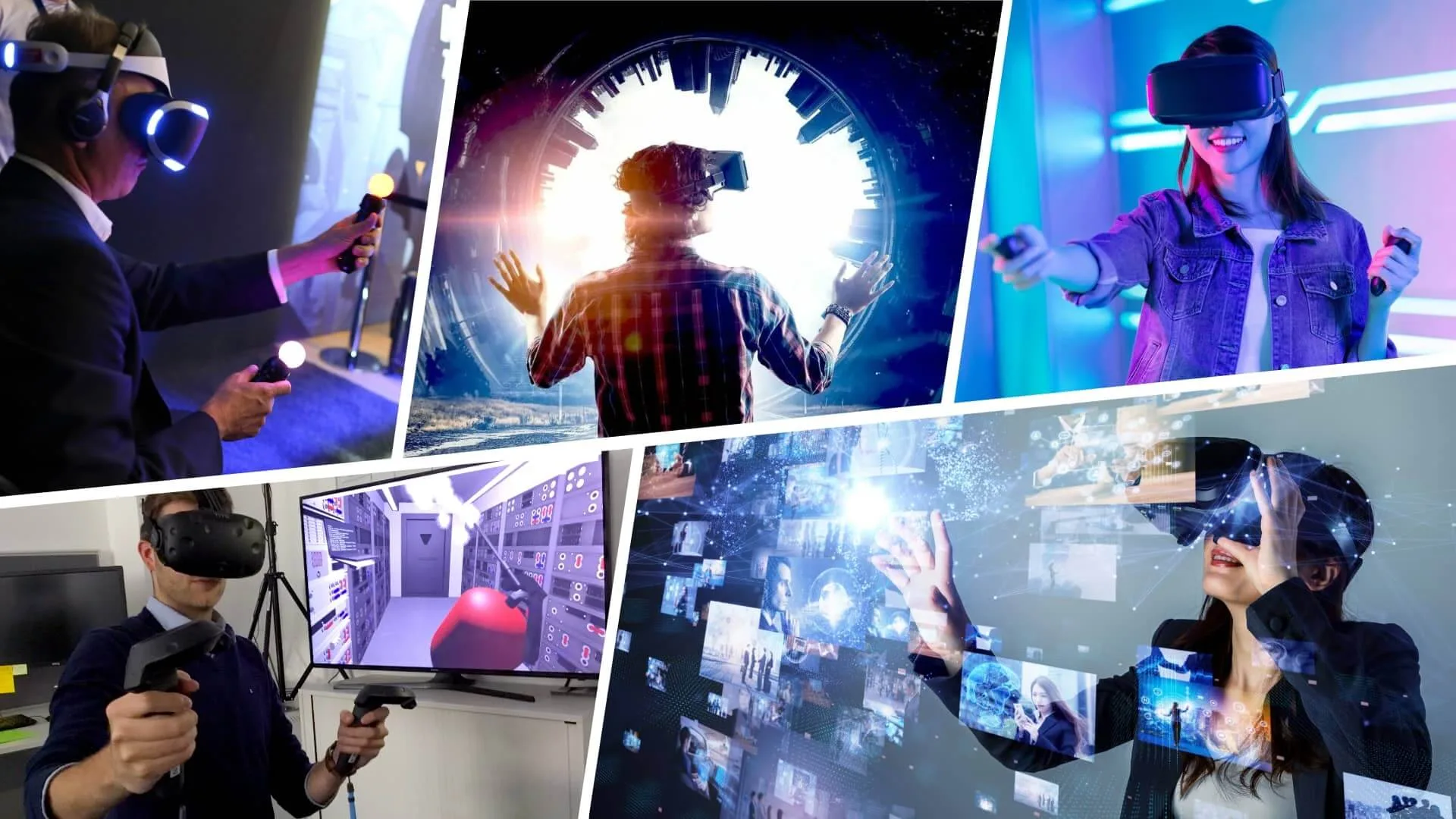
Integrating augmented reality (AR) and virtual reality (VR) experiences into the curriculum is another example of gamification in education. AR and VR technologies can create immersive learning environments that allow students to explore historical sites, conduct virtual experiments, or travel to far-off places. These interactive experiences stimulate curiosity and engagement, making learning more memorable and impactful.
Escape Room-Style Learning
The concept of escape rooms has been adapted for educational purposes, creating escape room-style learning experiences for students. In these scenarios, students work in teams to solve puzzles, find clues, and complete challenges to “escape” the room. Escape room-style learning encourages critical thinking, teamwork, and problem-solving, as students must collaborate to decipher clues and unlock the next challenge.
Role-Playing Simulations
Role-playing simulations immerse students in real-world scenarios, allowing them to take on different roles and make decisions as they navigate through complex situations. These simulations can be particularly beneficial for subjects like history, social studies, or ethics, as students gain a deeper understanding of historical events or ethical dilemmas through experiential learning.
Fitness and Wellness Challenges
Gamification can extend beyond traditional academic subjects and be applied to areas like fitness and wellness. Educators can create fitness challenges that encourage students to stay active and develop healthy habits. Students can track their physical activity and earn points or rewards for achieving fitness goals.
Environmental and Sustainability Games
With an increasing focus on environmental awareness, gamification can be utilized to teach students about sustainability and conservation. Educational games centered around environmental issues empower students to take on roles as environmentalists, guiding them through eco-friendly practices and promoting a sense of responsibility towards the planet.
Language Learning Apps and Games
Language learning apps and games use gamification to make language acquisition engaging and enjoyable. Apps like Duolingo and Memrise utilize game mechanics to encourage consistent practice, reward progress, and motivate learners to achieve fluency in a new language.
Gamification in STEM Education
Incorporating gamification in STEM (Science, Technology, Engineering, and Mathematics) education can enhance interest and engagement in these disciplines. Gamified learning experiences can simulate scientific experiments, engineering challenges, or mathematical puzzles, fostering a deeper understanding of complex concepts.
Social Studies and History Simulations
Simulations in social studies and history subjects allow students to step into the shoes of historical figures or engage in historical events. These interactive experiences bring history to life and enable students to gain insights into past civilizations and cultural contexts.
Finance and Economics Games
Gamified finance and economics lessons provide practical insights into financial management and economic concepts. Virtual financial simulations or stock market games can teach students about budgeting, investing, and the principles of the economy.
Gamified Assessment and Revision
Gamification can be applied to assessment and revision practices. Quizzes with points and rewards, interactive flashcards, and timed challenges can turn test preparation into an engaging and effective learning experience.
Collaborative Learning Games
Gamification can promote collaboration and teamwork by designing interactive group challenges. Students work together to solve problems, complete quests, or achieve shared objectives, fostering a cooperative learning environment.
Virtual Field Trips
Virtual field trips using AR, VR, or interactive maps can immerse students in distant locations or historical landmarks without leaving the classroom. These experiences make learning more memorable and accessible.
Game-Based Literature Circles
Literature circles can be transformed into game-based discussions, where students earn points for contributing insights, asking thought-provoking questions, or making connections to real-life scenarios.
Customizable Learning Paths
Adaptive learning platforms can personalize learning paths for each student, offering tailored challenges and activities based on their individual strengths and areas for growth.
Check out: Building Resilience in Professional Life
Addressing Challenges in Gamification
While gamification has proven to be a highly effective and engaging educational strategy, it also comes with its unique set of challenges. As educators and institutions incorporate gamified elements into the learning process, it is crucial to be aware of these challenges and implement strategies to address them effectively. By proactively addressing these challenges, educators can ensure that the gamification approach enhances learning outcomes while maintaining a positive and conducive learning environment.
1. Avoiding Over-Gamification
One of the primary challenges in gamification is striking the right balance between fun and academic rigor. While gamified elements are intended to make learning enjoyable, excessive gamification may lead to distractions and take the focus away from core learning objectives. When designing gamified activities, educators must ensure that the game mechanics align with the curriculum and reinforce the desired learning outcomes. Every gamified element should serve a purpose in supporting the educational content rather than overshadowing it.
To avoid over-gamification, educators should consider the relevance and significance of each game mechanic to the learning process. Gamification should supplement and enhance traditional teaching methods, not replace them. Regular evaluations and feedback from students can help identify areas where gamification may need adjustments to strike the right balance.
2. Ensuring Equity and Inclusivity
Another critical challenge is ensuring that gamification is accessible and inclusive for all students, regardless of their learning styles or preferences. While some students may thrive in competitive gamified environments, others may find it overwhelming or demotivating. Educators must be mindful of individual differences and accommodate diverse learning needs.
To promote equity and inclusivity, educators can offer a variety of gamified options that cater to different learning preferences. For example, providing both competitive challenges and collaborative activities allows students to engage in ways that suit their strengths and interests. Additionally, using a mix of game mechanics that appeal to different learning styles can help ensure that every student benefits from the gamification approach.
3. Monitoring Progress and Impact
It is essential for educators to monitor the progress and impact of gamification in the learning process continually. Regular assessment allows educators to gauge the effectiveness of gamified elements in achieving learning outcomes. Moreover, monitoring progress enables educators to identify areas of improvement and make data-driven decisions to refine the gamification approach.
To monitor progress, educators can use data analytics from gamification platforms to track students’ engagement, performance, and participation in gamified activities. Conducting surveys or seeking feedback from students can provide valuable insights into their experiences with gamification and help identify areas where adjustments are needed. This iterative approach allows educators to continuously optimize the gamification strategy for maximum impact.
4. Promoting Long-Term Motivation
While gamification can be highly effective in motivating students in the short term, sustaining long-term motivation poses a challenge. Students may initially be enthusiastic about gamified activities, but their engagement levels could wane over time.
To promote long-term motivation, educators can introduce new and varied gamified elements periodically. Changing challenges, introducing new themes, or incorporating unexpected rewards can reignite students’ interest and curiosity. Additionally, acknowledging students’ achievements and progress regularly reinforces their sense of accomplishment and drives them to persist in their learning journey.
5. Maintaining Focus on Learning Objectives
With the excitement of gamification, there is a risk of losing sight of the primary learning objectives. Educators must ensure that gamified activities remain aligned with the curriculum and support the intended learning outcomes.
To maintain focus on learning objectives, educators should design gamified elements with clear educational goals in mind. Each activity should have a direct connection to specific learning outcomes, and students should understand how their participation contributes to their overall academic growth. Providing students with a sense of purpose and relevance in their gamified learning experiences strengthens their commitment to achieving educational milestones.
FAQs about Gamification in Education
1. What is gamification in education?
Gamification in education refers to the integration of game elements, mechanics, and design principles into the learning process to enhance student motivation, engagement, and learning outcomes.
2. How does gamification motivate students?
Gamification taps into intrinsic motivation by making learning enjoyable and rewarding. Through interactive challenges, achievements, and rewards, students are encouraged to actively participate in their learning journey.
3. Are there any age limitations for using gamification in education?
Gamification can be applied across all age groups in education. It can be adapted to suit the learning needs and preferences of students from elementary to higher education levels.
4. Can gamification replace traditional teaching methods?
Gamification is not meant to replace traditional teaching methods but rather to complement and enhance them. It adds a dynamic and interactive layer to the learning experience, making it more engaging.
5. How can educators ensure that gamification aligns with the curriculum?
To ensure alignment with the curriculum, educators must set clear learning objectives for gamified elements and design game mechanics that support the desired learning outcomes.
6. What are some cost-effective gamification tools for educators?
There are several cost-effective gamification tools available to educators, such as Classcraft, Quizizz, and Socrative. Many of these platforms offer free or freemium versions with essential gamification features.
Conclusion
Gamification has revolutionized the educational landscape by infusing fun and achievement into the learning process. By leveraging game elements, educators can motivate students, enhance engagement, and foster a love for learning. From personalized learning paths to collaborative challenges, gamification offers a diverse range of opportunities to cater to the individual needs of students. As educators continue to explore innovative teaching methods, gamification remains a powerful tool in creating a vibrant and rewarding educational experience. Embracing the power of gamification, educators can unleash the full potential of their students and inspire a lifelong love for learning.




Trackbacks/Pingbacks