



















How Educational Games Foster Active Learning
Table of Contents
- Introduction
- The Power of Play: How Educational Games Foster Active Learning
- Active Engagement and Participation: The Key to Effective Learning
- The Importance of Active Engagement
- 1. Enhance Learning Retention
- 2. Foster Critical Thinking
- 3. Increase Motivation
- 4. Improve Problem-Solving Abilities
- The Role of Participation in Learning
- Active Engagement and Participation in Educational Games
- Strategies for Promoting Active Engagement and Participation
- Immediate Feedback and Assessment in Educational Games
- The Importance of Immediate Feedback
- How Educational Games Provide Immediate Feedback
- Benefits of Immediate Feedback and Assessment
- 1. Engagement and Motivation:
- 2. Timely Intervention:
- 3. Confidence Building:
- 4. Reflection and Improvement:
- The Role of Educators in Facilitating Immediate Feedback
- Personalization and Adaptability: Tailoring Education to Individual Needs
- Understanding Personalized Learning in Educational Games
- Benefits of Personalization in Educational Games
- Adaptive Learning in Educational Games
- Limitations and Considerations
- The Future of Personalized Learning and Educational Games
- Safe and Risk-Free Environment: Promoting Learning without Fear
- Embracing Failure as a Learning Opportunity
- Encouraging Collaboration and Peer Learning
- Building Self-Confidence and Motivation
- Tailoring Challenges to Individual Skill Levels
- Fostering Emotional Well-Being
- Implementing Supportive Feedback Mechanisms
- The Role of Educators in Creating a Safe Environment
- FAQs about Educational Games and Active Learning
- Conclusion
Introduction
In the modern era of education, incorporating innovative and engaging teaching methods is vital to capturing students’ attention and promoting effective learning. Educational games, often referred to as “gamification in education,” have emerged as a powerful tool to foster active learning and enhance student engagement. By harnessing the power of play, educational games create immersive learning experiences that captivate students and encourage them to become active participants in their educational journey.
This comprehensive article explores the significance of educational games and their impact on active learning. We delve into the concept of gamification in education, the benefits of using educational games in the classroom, and the potential they hold for transforming traditional teaching methods. From increased student motivation to improved learning outcomes, we uncover the myriad ways educational games enrich the educational landscape.
The Power of Play: How Educational Games Foster Active Learning
Educational games have emerged as a powerful tool in modern education, revolutionizing the way students learn and engage with academic content. At the core of their effectiveness lies the concept of active learning, where students become active participants in their educational journey rather than passive recipients of information. Let’s delve deeper into how educational games foster active learning and the transformative impact they have on the educational landscape.
Active Engagement and Participation: The Key to Effective Learning
In the realm of education, the pursuit of effective learning has long been a central goal. Educators are continually exploring innovative methods to captivate students’ attention, enhance their understanding, and foster a love for learning. Active engagement and participation stand as two pillars crucial to achieving these objectives. They empower students to become proactive participants in their educational journey, taking charge of their learning and immersing themselves in the subject matter.
The Importance of Active Engagement
Active engagement refers to the act of being fully involved, mentally and physically, in the learning process. Rather than being passive recipients of information, actively engaged students take an active role in acquiring knowledge. They ask questions, seek answers, and interact with the subject matter in meaningful ways. The significance of active engagement lies in its ability to:
1. Enhance Learning Retention
When students are actively engaged in their studies, they are more likely to retain the information. Active engagement involves processing information deeply, making connections, and integrating new knowledge with existing understanding. These cognitive processes lead to more profound and lasting learning outcomes.
2. Foster Critical Thinking
Active engagement encourages students to think critically and analytically. It prompts them to evaluate information, draw conclusions, and develop their perspectives. Critical thinking skills are invaluable, both within academic settings and in real-life applications.
3. Increase Motivation
Active engagement ignites a sense of curiosity and intrinsic motivation in students. When they are actively involved in their learning, they are more invested in the process and feel a sense of ownership over their educational journey.
4. Improve Problem-Solving Abilities
By actively engaging with academic content, students encounter challenges and problem-solving opportunities. They learn to approach problems creatively and develop effective problem-solving strategies.
The Role of Participation in Learning
Participation complements active engagement by providing students with opportunities to apply their knowledge, interact with peers, and collaborate on learning tasks. Participation can take various forms, including:
1. Classroom Discussions
Engaging in classroom discussions allows students to share their thoughts, ideas, and perspectives. It encourages active listening and respectful communication with peers.
2. Group Activities
Collaborative group activities foster teamwork, communication, and cooperation. Students work together to solve problems, discuss concepts, and develop a deeper understanding of the subject matter.
3. Presentations
Giving presentations empowers students to communicate their knowledge and demonstrate their understanding of the topic. It enhances their public speaking skills and builds confidence.
4. Hands-on Experiences
Participating in hands-on experiences, such as experiments or field trips, enriches students’ learning by providing real-world applications of theoretical concepts.
Active Engagement and Participation in Educational Games
Educational games serve as an excellent platform for promoting active engagement and participation in the learning process. By design, these games captivate students’ interest, encouraging them to explore and interact with educational content actively. Key features of educational games that promote active engagement and participation include:
1. Interactivity
Educational games are interactive by nature, requiring students to actively respond to challenges, make decisions, and solve problems.
2. Personalized Learning
Many educational games can be customized to suit individual student preferences and learning styles, allowing for personalized learning experiences.
3. Immediate Feedback
Educational games often provide instant feedback, informing students of their progress and guiding them toward improvement.
4. Gamification Elements
Gamification elements, such as rewards, points, and levels, motivate students to continue their learning journey and achieve academic goals.
Strategies for Promoting Active Engagement and Participation
Educators play a crucial role in cultivating active engagement and fostering meaningful participation in the classroom. Here are some effective strategies to achieve these objectives:
1. Create a Positive Learning Environment
A positive and inclusive learning environment encourages students to actively engage and participate without fear of judgment.
2. Use Varied Teaching Methods
Incorporate a diverse range of teaching methods, including educational games, group activities, and multimedia presentations, to cater to different learning preferences.
3. Encourage Critical Thinking
Ask open-ended questions that encourage critical thinking and prompt students to explore complex topics from multiple angles.
4. Emphasize Collaboration
Encourage collaboration and teamwork among students to promote participation and peer learning.
Immediate Feedback and Assessment in Educational Games
One of the most significant advantages of educational games is their ability to provide immediate feedback and assessment to students. Unlike traditional learning methods, where students may have to wait for days or even weeks to receive feedback on their performance, educational games offer real-time assessment, empowering students to gauge their progress instantly. This feature contributes significantly to the effectiveness of educational games in fostering active learning and improving learning outcomes.
The Importance of Immediate Feedback
Immediate feedback plays a crucial role in the learning process. When students receive prompt feedback on their actions and decisions within a game, they can quickly identify their strengths and weaknesses. This instant information allows students to reflect on their performance, adjust their strategies, and make informed decisions to achieve better results. As a result, they become more engaged in the learning process, as they can see the direct impact of their choices on their learning journey.
How Educational Games Provide Immediate Feedback
Educational games are designed to monitor students’ actions and progress in real-time. As students interact with the game, the system captures their responses, decisions, and problem-solving skills. Based on this data, the game provides immediate feedback in various forms:
- Correctness of Answers: In games focused on academic subjects like math or language, students receive instant feedback on the accuracy of their answers. If they provide the correct solution, the game acknowledges their achievement and may reward them with points or advancement to the next level. Conversely, if their answer is incorrect, the game provides corrective feedback to guide them toward the right solution.
- In-Game Performance: Many educational games have progress trackers that display students’ performance and achievements as they advance through different levels or stages. This visual representation of progress motivates students to strive for improvement.
- Hints and Tips: Educational games often incorporate hints, tips, and prompts to assist students when they encounter challenges or difficulties. This support system helps students overcome obstacles and continue their learning journey.
- Personalized Recommendations: Some educational games use sophisticated algorithms to personalize the learning experience. Based on students’ performance and interactions, the game may offer customized recommendations for further practice or areas of improvement.
Benefits of Immediate Feedback and Assessment
1. Engagement and Motivation:
The immediate feedback provided by educational games keeps students engaged and motivated to achieve better results. The knowledge that their efforts yield instant results encourages them to stay focused and persist in their learning.
2. Timely Intervention:
With real-time feedback, educators can identify struggling students quickly and intervene to offer additional support or guidance. This proactive approach helps prevent learning gaps from widening and ensures that students receive the assistance they need promptly.
3. Confidence Building:
Immediate feedback validates students’ correct answers and reinforces their understanding of concepts. This positive reinforcement builds confidence, as students gain assurance in their abilities and knowledge.
4. Reflection and Improvement:
By receiving immediate feedback, students can reflect on their actions and decisions, allowing them to identify areas of improvement. This reflective practice fosters critical thinking and self-directed learning.
The Role of Educators in Facilitating Immediate Feedback
Educators play a crucial role in the effective implementation of educational games and the provision of immediate feedback. Here are some strategies for educators to enhance the impact of immediate feedback in educational games:
1. Clear Learning Objectives:
Align the educational game with specific learning objectives and communicate them clearly to students. This clarity helps students understand the purpose of the game and what they should focus on.
2. Encourage Reflection:
Encourage students to reflect on the feedback they receive from the game. Discuss with them how they can use this information to make improvements in their learning journey.
3. Customize Feedback:
Where possible, customize feedback to address individual student needs and learning styles. Personalized feedback enhances its relevance and effectiveness.
4. Incorporate Feedback in Instruction:
Use the insights gained from educational games’ feedback to inform your instruction and adapt your teaching strategies to meet the needs of your students.
Personalization and Adaptability: Tailoring Education to Individual Needs
One of the key strengths of educational games is their ability to offer personalized and adaptable learning experiences. Personalization in education refers to tailoring the learning process to meet the unique needs, preferences, and pace of each individual student. Educational games, through their interactive and adaptive nature, provide a platform for personalized learning like never before.
Understanding Personalized Learning in Educational Games
Traditional classroom settings often follow a one-size-fits-all approach, where all students receive the same instruction and materials regardless of their learning styles or abilities. This approach can leave some students feeling disengaged or struggling to keep up, while others may find the pace too slow.
Educational games address this issue by offering a more personalized learning path. By collecting data on students’ performance and interactions within the game, these platforms can identify individual strengths and weaknesses. This data-driven approach enables educational games to adapt and adjust the learning content, challenges, and feedback based on each student’s progress.
Benefits of Personalization in Educational Games
- Engagement and Motivation: Personalized learning experiences are inherently more engaging for students. When they feel that the content is tailored to their interests and abilities, they become more motivated to actively participate and continue learning.
- Individualized Pace: Students learn at different speeds. Educational games can adapt to each student’s pace, allowing them to move forward when they have mastered a concept and providing additional support when needed.
- Boosts Confidence: Success in personalized learning builds confidence in students. As they experience achievements and progress, their self-esteem grows, leading to a positive attitude towards learning.
- Addresses Learning Differences: Students have diverse learning styles and needs. Personalization in educational games ensures that all students, including those with learning differences, receive targeted support and a conducive learning environment.
Adaptive Learning in Educational Games
Adaptive learning is a crucial aspect of personalization in educational games. This approach involves dynamically adjusting the learning path based on real-time data from student interactions. Educational games use algorithms to analyze students’ responses, track their progress, and identify areas where they may need additional support.
With adaptive learning, educational games can:
- Offer Challenges at the Right Level: By analyzing a student’s performance, the game can present challenges that match their current skill level. This prevents students from feeling overwhelmed or bored.
- Provide Targeted Feedback: Educational games offer immediate feedback, helping students understand their mistakes and guiding them towards the correct solutions.
- Identify Knowledge Gaps: The game can detect areas where a student may be struggling and provide additional practice or resources to address those knowledge gaps.
Limitations and Considerations
While personalization and adaptability in educational games offer numerous advantages, there are certain limitations and considerations to keep in mind:
- Data Privacy: Personalized learning relies on collecting and analyzing student data. It is essential to ensure strict data privacy measures to protect students’ information.
- Teacher Facilitation: Educational games should not replace teachers but rather complement their role. Educators play a crucial role in guiding students, interpreting data insights, and providing individualized support.
- Balancing Personalization with Standardized Learning: Striking a balance between personalized learning and standardized curriculum is vital to ensure that students receive a comprehensive education that meets academic standards.
The Future of Personalized Learning and Educational Games
As technology continues to advance, the potential for personalization and adaptability in educational games will only grow. Machine learning and artificial intelligence will further enhance adaptive learning algorithms, making educational games even more effective at meeting individual student needs.
Educators and ed-tech developers must continue to collaborate to create educational games that promote personalized learning while aligning with educational goals and standards. By harnessing the power of personalization and adaptability, educational games can revolutionize the education landscape, empowering students to reach their full potential and fostering a love for learning that lasts a lifetime.
Safe and Risk-Free Environment: Promoting Learning without Fear
Creating a safe and risk-free environment is paramount when integrating educational games into the classroom. As educators explore the potential of gamification in education, it is essential to prioritize the emotional and psychological well-being of students. A safe learning environment encourages students to take risks, make mistakes, and embrace challenges without fear of judgment or failure. Let’s delve deeper into the significance of a safe and risk-free environment in fostering active learning through educational games.
Embracing Failure as a Learning Opportunity
In a safe and risk-free environment, students are empowered to take risks and try new approaches without fear of negative consequences. Failure is seen as a natural part of the learning process, rather than something to be avoided. Educational games provide an ideal platform for students to experiment, make mistakes, and learn from them in a supportive setting. By removing the stigma associated with failure, students become more resilient and develop a growth mindset that fosters continuous learning and improvement.
Encouraging Collaboration and Peer Learning
A safe environment cultivates a sense of trust and camaraderie among students. When students feel safe, they are more likely to collaborate with their peers, share ideas, and work together to solve challenges presented by educational games. Collaborative learning not only enhances the social aspect of education but also promotes deeper understanding and retention of concepts. As students collaborate, they learn from one another and develop valuable interpersonal skills.
Building Self-Confidence and Motivation
Fear of failure can hinder students’ willingness to participate and engage in the learning process. In a safe environment, students can freely express themselves, ask questions, and seek assistance without fear of judgment. This fosters a positive learning experience and builds students’ self-confidence, as they feel supported and encouraged to take an active role in their education. As students experience success and progress in their learning journey, their motivation to learn and explore further is strengthened.
Tailoring Challenges to Individual Skill Levels
Educational games offer the advantage of adaptability, allowing educators to adjust the level of challenge to individual students’ skill levels. In a safe environment, students can tackle challenges that align with their abilities, promoting a sense of achievement and success. As students gain proficiency, the game can gradually introduce more complex tasks, ensuring a continuous and engaging learning experience tailored to each student’s pace.
Fostering Emotional Well-Being
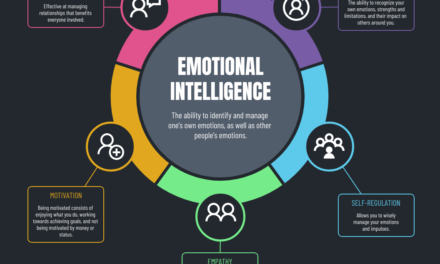
A safe and risk-free environment nurtures students’ emotional well-being, making the learning process enjoyable and stress-free. Educational games can evoke a range of emotions, from excitement and curiosity to frustration and challenge. In a supportive setting, students can process these emotions constructively, developing emotional intelligence and coping mechanisms. Emotionally well-adjusted students are more likely to approach learning with enthusiasm and openness.
Implementing Supportive Feedback Mechanisms
Feedback plays a crucial role in the learning process. In a safe environment, educators can provide supportive and constructive feedback to students, guiding them toward their learning goals. Positive reinforcement and encouragement celebrate students’ progress, while targeted feedback helps them identify areas for improvement. By incorporating feedback within the context of educational games, students can better understand their strengths and weaknesses and actively work on their growth.
The Role of Educators in Creating a Safe Environment
Educators play a pivotal role in establishing a safe and risk-free environment for educational games. Here are some strategies educators can employ:
- Establishing Classroom Norms: Set clear expectations and norms for behavior within the classroom. Encourage a culture of respect, collaboration, and empathy among students.
- Modeling Acceptance of Mistakes: Demonstrate that mistakes are an essential part of learning and growth by openly acknowledging your own errors and discussing how to learn from them.
- Encouraging Positive Language: Use positive and encouraging language when providing feedback to students. Avoid punitive or judgmental language that may discourage risk-taking.
- Promoting Inclusivity: Ensure that all students feel included and valued in the learning environment. Celebrate diversity and create opportunities for every student to participate.
- Creating a Supportive Community: Foster a sense of community within the classroom, where students feel comfortable seeking help from both their peers and the educator.
FAQs about Educational Games and Active Learning
- What are educational games?
Educational games are interactive activities designed to facilitate learning and foster student engagement through gamification. - How do educational games promote active learning?
Educational games engage students in active learning by encouraging them to actively participate, problem-solve, and explore educational content. - Can educational games be used in various subjects?
Yes, educational games can be tailored to various subjects, from math and science to history and language arts. - What age group is best suited for educational games?
Educational games can be designed for various age groups, from young children to college students, each tailored to a specific age range. - Do educational games replace traditional teaching methods?
Educational games complement traditional teaching methods and enhance learning experiences rather than replacing them. - How can educators assess the effectiveness of educational games?
Educators can assess the effectiveness of educational games through student performance, engagement levels, and feedback.
Conclusion
The power of play in education cannot be underestimated. Educational games, with their gamification approach, have the potential to revolutionize how students learn and engage with academic content. By harnessing the innate desire for play, educational games create dynamic and interactive learning experiences that inspire curiosity, critical thinking, and collaboration.
As educators and educational institutions embrace the potential of educational games, it is essential to strike a balance between technology and traditional teaching methods. By integrating educational games thoughtfully into the curriculum, educators can foster active learning, increase student engagement, and pave the way for a more exciting and effective learning journey for all. Gamification in education is not just a trend; it is a transformative force in shaping the future of education.




Trackbacks/Pingbacks