


















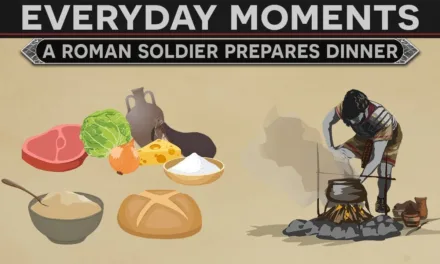
Roman Soldiers Diet: Unveiling the Food that Powered the Legionaries
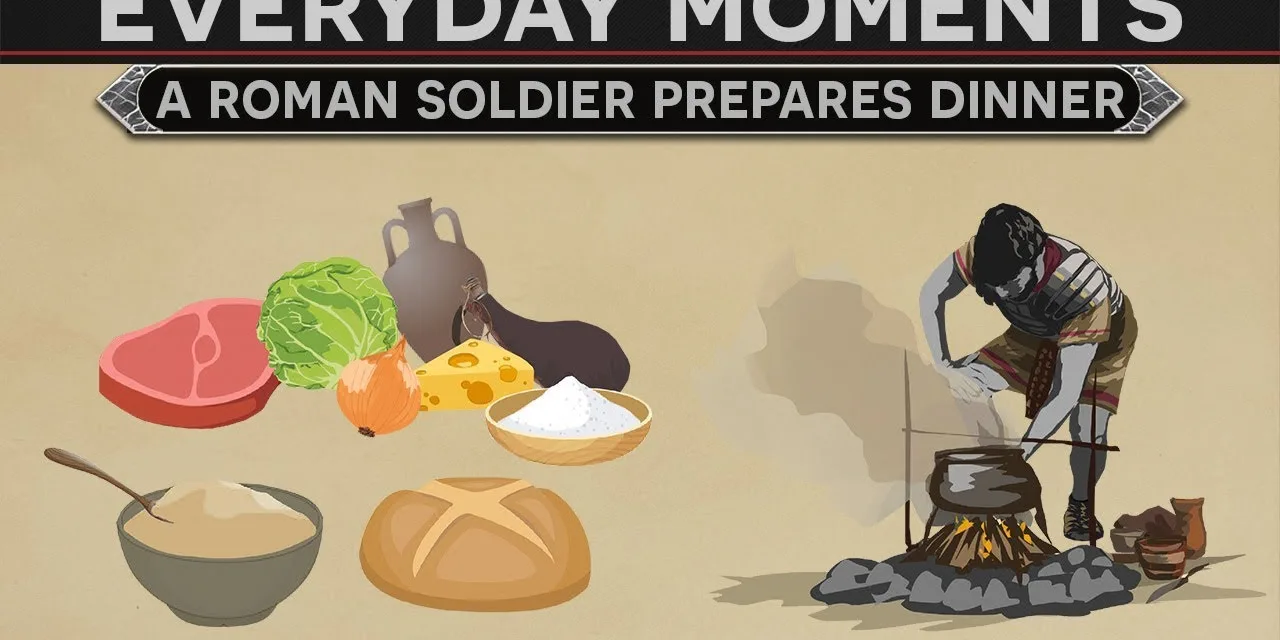
Table of Contents
- The Role of Meat in the Roman Soldier’s Diet
- The Importance of Grains and Bread in the Roman Soldier’s Diet
- Grains: The Essential Carbohydrate Source for Roman Legionaries
- Bread and Porridge: Staple Foods for Sustaining Roman Soldiers
- Cheese: A Nutritious Delight in the Roman Soldier’s Diet
- Vegetables: A Challenging Yet Valued Addition to the Soldier’s Menu
- Quenching Thirst: Posca and Wine in the Roman Soldier’s Diet
- Conclusion:
The Role of Meat in the Roman Soldier’s Diet
Meat played a pivotal role in the Roman soldiers diet, providing essential nutrients and fueling their physical strength and endurance. Despite popular misconceptions, Roman legionaries were far from being vegetarians. In fact, meat accounted for nearly a quarter of their calorie intake.
Roman legions took measures to ensure a steady supply of meat for their soldiers. They maintained their own herds of cattle, which were raised and slaughtered specifically to meet the dietary needs of the troops. Additionally, the government issued a small ration of meat, typically in the form of bacon, to the soldiers. This ration provided them with a vital source of protein.
However, with the absence of refrigeration technology during ancient times, the preservation of meat was a considerable challenge. To address this, Roman soldiers employed various techniques to ensure the longevity of their meat supply. Archaeological findings have revealed equipment used for roasting and boiling meat, indicating that soldiers had the means to cook and prepare their meat rations.
The notion that Roman soldiers did not consume meat can be partly attributed to the practices of Roman gladiators. Gladiators often followed a special diet that excluded meat to maintain a lean and agile physique. This distinction led to a misconception that extended to Roman soldiers as well. However, historical accounts and other sources clarify that soldiers were not vegetarians.
One source of confusion stems from the Appian of Alexandria, a historian who lived during the reigns of emperors Trajan, Hadrian, and Antoninus Pius. When describing Lucius Lucullus’ winter campaign in central Spain in 150 BCE, Appian mentioned soldiers living on wheat, barley, and the flesh of deer and rabbits boiled without salt. Some historians interpreted this passage to mean that Roman soldiers did not usually consume meat. However, it is important to note that soldiers were simply reluctant to eat meat that wasn’t treated with salt due to the high risk of spoilage. Other passages from Appian’s works and reports from other historians, such as Plutarch, provide evidence of soldiers consuming boiled and roasted meat.
Salt played a crucial role in preserving meat for the Roman soldiers. Given the absence of refrigeration, salt was essential for preventing meat from spoiling. Soldiers received a generous salt ration as part of their supplies. This salt not only helped preserve the meat but also added flavor to their meals. It was believed that weak soldiers made a weak legion, emphasizing the importance of adequate nutrition, including meat, in maintaining the strength and effectiveness of the Roman legions.
To further highlight the significance of salt in Roman culture, it is worth noting that the English word “salary” is derived from the Latin word “salarium,” meaning pay. It was used to describe a soldier’s pay, which they could use to purchase salt. The Roman author Pliny the Elder even claimed that Roman soldiers received their wages in the form of salt, although this may be more of an anecdotal exaggeration than a factual account.
The consumption of meat by Roman soldiers was not limited to specific types or cuts. They would consume any animal they were capable of catching, contributing to the diversity of their diet. While the specific types of meat consumed varied based on availability and location, the Roman soldiers’ diet included a range of meats, such as beef, pork, lamb, venison, and various types of game.
In conclusion, meat played a vital role in the Roman soldier’s diet, providing them with crucial protein and essential nutrients. Despite misconceptions and misinterpretations, historical evidence confirms that Roman soldiers were not vegetarians but rather relied on meat as a significant component of their meals. The preservation of meat through salt and the diverse range of animal sources contributed to the soldiers’ overall nutrition and strength on the battlefield.
The Importance of Grains and Bread in the Roman Soldier’s Diet
Grains, particularly wheat and barley, were a fundamental component of the Roman soldier’s diet, providing them with the necessary energy to sustain their physical activities and endure the challenges of military life. The consumption of grains was primarily in the form of bread, which served as a staple food for the Roman legions.
The Roman infantry soldier consumed a significant amount of grain annually, estimated to be around a third of a ton. This substantial intake demonstrates the crucial role that grains played in fueling the soldiers’ daily activities and maintaining their strength and stamina. Grains provided a quick source of energy, essential for rigorous training and enduring the demanding conditions of the battlefield.
Bread, unlike meat or perishable food items, offered several advantages for the Roman soldiers. It had a long shelf life and did not spoil easily, making it suitable for consumption in various climates and during extended military campaigns. Additionally, bread was easy to transport and distribute in large quantities, ensuring that soldiers had access to their sustenance wherever they were stationed.
The Greek historian Polybius provides valuable insights into the rationing of bread for Roman infantry soldiers. According to his accounts, soldiers were allocated approximately 26 kilograms of bread or hardtack, a type of biscuit or cracker made from flour, water, and salt, per month. While Polybius’s testimony offers some clarity on bread rations, modern historians believe that it was more common for legionaries to be provided with grain, which they would then have to process and bake into bread themselves.
Roman soldiers were not only warriors but also proficient bakers and cooks. Each soldier carried their own rations, including grain, and when they set up camp, they would grind their wheat into flour using a communal mill shared among the troops. This process of communal breadmaking fostered a sense of camaraderie among the soldiers and created an opportunity for them to bond and support one another.
The bread baked by Roman soldiers, known as panis militaris or military bread, closely resembled bread as we know it today. The basic recipe consisted of a mixture of flour, water, and salt. Depending on the availability of ingredients during different seasons, millet, barley, and oats might also be included in the dough. Some soldiers would enhance the calorie count of their bread by incorporating animal fat from their meat ration.
After the dough was mixed, it was left to rise in a humid environment. To bake the bread, soldiers used a small bell-shaped oven known as a clibanus. This process created loaves of bread that were similar in appearance and taste to modern-day bread, albeit with slight variations due to the use of different grains and the absence of modern additives and preservatives.
Bread was not the sole form in which grains were consumed by Roman soldiers. They also prepared porridge, known as pulmentum or puls, using grains such as millet, barley, farro, or spelt. This nutritious porridge was made by toasting the grains on hot stones, grinding them, and mixing them with boiling water and salt. Sometimes, if there were slow-moving animals nearby, meat would be added to enhance the flavor and nutritional value of the dish. Pulmentum could be consumed as porridge or allowed to set into firm cakes, serving as a convenient method of preserving leftovers.
The reliance on grains and bread in the Roman soldier’s diet was not without challenges. Wheat and barley production could be affected by various factors, including adverse weather conditions and disruptions in supply lines. In times of scarcity, soldiers may have experienced reduced rations or faced the need to supplement their diet with other available food sources, such as foraged plants or captured livestock.
In summary, grains, particularly wheat and barley, played a vital role in the sustenance of Roman soldiers. Bread, made from these grains, served as a staple food item that provided the necessary energy for their physical exertions. The communal breadmaking process fostered camaraderie among the soldiers and ensured a steady supply of sustenance. Additionally, porridge offered a nutritious and versatile alternative to bread. While challenges in supply and production may have arisen, the reliance on grains and bread remained a consistent aspect of the Roman soldier’s diet, contributing to their overall strength and resilience in the face of military endeavors.

Lucanica: A Portable and Flavorful Sausage for Roman Soldiers
To meet their dietary needs during campaigns, Roman soldiers relied on lucanica, a type of dried sausage similar to modern gas station beef jerky. Made with a blend of black pepper, cumin, savory, Roux, parsley, bay laurel oil, liquamen (a fermented fish sauce), and minced lean meat, lucanica offered a flavorful and convenient source of sustenance. While the exact meat used is not specified in ancient recipes, historical accounts suggest it was often a pork sausage. Lucanica, or luganega as it is known in Italy today, remains a part of culinary tradition, albeit with some recipe variations over the centuries.
Check out: Mindful Eating and Nutrition: Nourishing the Body and Mind
Grains: The Essential Carbohydrate Source for Roman Legionaries
Cereal grains served as the primary source of carbohydrates for Roman soldiers, providing quick bursts of energy essential for training and surviving on the battlefield. Wheat, barley, millet, and oats were staple grains in their diet. On average, a Roman soldier consumed approximately a third of a ton of grain each year. Bread emerged as a fundamental part of their daily sustenance. Each soldier was typically rationed 26 kilograms of bread or hardtack per month. Soldiers were skilled bakers, responsible for grinding their own wheat into flour using shared mills. The resulting dough, often mixed with water, salt, and animal fat from their meat ration, was baked into a variety of bread types.
Bread and Porridge: Staple Foods for Sustaining Roman Soldiers
Bread and porridge were essential staples in the Roman soldier’s diet, offering sustenance and convenience. Bread, with its resistance to spoilage and ease of transport, served as a reliable source of sustenance regardless of the climate. Roman soldiers were skilled in baking, and the bread they produced, known as panis militaris or military bread, closely resembled bread as we know it today. The basic type of bread consisted of a mixture of flour, water, and salt. Depending on the season, additional grains such as millet, barley, and oats were included. Soldiers sometimes added animal fat to increase the calorie count. Porridge, or pulmentum, was another common dish made from toasted grains mixed with boiling water, salt, and occasionally meat. It provided high nutritional value and could be eaten as a porridge or allowed to set into firm cakes for preservation.
Cheese: A Nutritious Delight in the Roman Soldier’s Diet
Cheese occupied a central place in the diet of Roman soldiers, offering valuable nutrients and contributing to disease resistance and longevity. A legionnaire’s daily ration typically included one ounce of hard cheese, known as dry cheese or pecorino, derived from sheep’s milk. Sheep and goats were common sources of cheese in Mediterranean regions, while soldiers stationed in northern Europe often used cow’s milk. The ownership of livestock made cheese production convenient and cost-effective for many soldiers. Romans were so passionate about cheese that they even shared their cheesemaking knowledge with newly conquered territories.
Vegetables: A Challenging Yet Valued Addition to the Soldier’s Menu
While meat and grains dominated the Roman soldier’s diet, vegetables held their place as valuable additions, despite the challenges of spoilage and limited availability during campaigns. Roman soldiers were not overly picky when it came to vegetables, and they would consume any edible varieties they encountered. However, the lack of fresh produce contributed to a common occurrence of scurvy among soldiers. Plundering the crops of local farmers became a common practice, as soldiers would seize vegetables to supplement their diet. Citrus fruits, rich in vitamin C, could have potentially helped prevent scurvy, but unfortunately, they were not readily available to the Roman legions.
Quenching Thirst: Posca and Wine in the Roman Soldier’s Diet
To quench their thirst, Roman soldiers relied on posca, a mixture of spoiled wine or vinegar diluted with water. Posca was commonly associated with slaves, lower-ranking soldiers, and paupers. It was often flavored with herbs, salt, lemon juice, or fruit to enhance its taste. Despite being an acquired taste, posca was surprisingly refreshing and even had disinfecting properties. Wine, however, held a special place in the hearts of Roman soldiers. Though they were supposed to consume it on alternate days with posca, legionaries had a tendency to indulge excessively. Generals had to issue decrees to prevent their troops from becoming overly intoxicated. Roman soldiers planted vineyards wherever they went, and wine served as a safer alternative to water, combating pathogens and bacteria.
Check out: Emotional Intelligence: Enhancing Social Skills and Empathy for Meaningful Relationships
Conclusion:
The Roman soldier’s diet encompassed a diverse range of foods that sustained them throughout their military campaigns. From meat and grains to cheese, vegetables, and beverages like posca and wine, each component played a vital role in providing the necessary nutrition and energy for the Roman legions to achieve and maintain their dominance. This glimpse into the culinary world of Roman soldiers highlights their resourcefulness and adaptability in obtaining and preparing food during their service to the empire.


Trackbacks/Pingbacks