
















Positive Thinking: How Optimism Shapes These 2 things
Introduction
In a world filled with challenges and uncertainties, the power of positive thinking has emerged as a beacon of hope and resilience. Optimism, the belief in a positive outcome, not only shapes our personality but also profoundly impacts our mental and emotional well-being. This comprehensive article delves into the science behind positive thinking, its effects on personality development, and the numerous benefits it bestows on our overall life satisfaction. Additionally, we’ll explore practical strategies to cultivate optimism and embrace a positive mindset in our daily lives.
Understanding Positive Thinking: The Science Behind Optimism
Positive thinking is not merely a vague concept or wishful thinking; it is deeply rooted in science and has a profound impact on our mental and emotional well-being. By exploring the science behind optimism, we gain valuable insights into how positive thinking affects our brains, emotions, and overall outlook on life.
Neurological Perspectives
Numerous studies in neuroscience have shed light on the neurological underpinnings of positive thinking. The prefrontal cortex, a region of the brain responsible for higher-order cognitive functions, plays a crucial role in processing positive emotions and promoting optimistic thinking. This area is associated with decision-making, problem-solving, and emotional regulation.
When we experience positive emotions, such as joy, gratitude, or hope, the prefrontal cortex becomes activated. This activation leads to a cascade of neurochemicals, including dopamine and serotonin, which contribute to feelings of pleasure and contentment. As a result, positive emotions reinforce positive thinking, creating a feedback loop that strengthens our optimistic outlook.
On the other hand, negative emotions, such as fear or anxiety, activate the amygdala, a region associated with the fight-or-flight response. When the amygdala is activated, it can override the prefrontal cortex, impairing our ability to think rationally and optimistically. This is why individuals experiencing chronic stress or anxiety may find it challenging to maintain a positive mindset.
Psychological Perspectives
In psychology, optimism is recognized as a cognitive bias known as the “optimism bias.” This bias refers to our tendency to overestimate the likelihood of positive events occurring in the future and underestimate the likelihood of negative events. Optimism bias is a natural cognitive mechanism that serves to protect and motivate us.
For example, when facing a challenging situation, an optimistic individual is more likely to believe that they can overcome the obstacles and achieve a positive outcome. This optimistic belief boosts their self-confidence and motivates them to take action, leading to more favorable results.
Moreover, optimism is closely linked to resilience, which is the ability to bounce back from adversity. Optimistic individuals are better equipped to cope with setbacks and failures, as they view these experiences as temporary and situational rather than permanent and pervasive. This mindset enables them to learn from challenges and move forward with a sense of determination.

The Benefits of Positive Thinking on Mental Health
Positive thinking has a profound impact on mental health and emotional well-being. Optimistic individuals are less likely to experience symptoms of anxiety and depression. Their positive outlook acts as a buffer against feelings of hopelessness and despair, even during difficult times.
Furthermore, positive thinking fosters a sense of self-efficacy—the belief in one’s ability to accomplish goals and overcome challenges. When we believe in our capabilities, we are more likely to set ambitious goals and persist in the face of obstacles. This proactive attitude contributes to a sense of empowerment and control over our lives, promoting mental well-being.
The Virtuous Cycle of Positive Thinking
One of the remarkable aspects of positive thinking is its ability to create a virtuous cycle. As we cultivate a positive mindset and experience positive emotions, our brains release neurochemicals that reinforce positive thinking. This cycle perpetuates optimism and enhances our overall emotional well-being.
Conversely, negative thinking can lead to a vicious cycle of pessimism. When we focus on negative thoughts, our brains activate stress pathways and release cortisol, the stress hormone. This physiological response can further fuel negative emotions and thoughts, creating a self-perpetuating cycle of negativity.
Understanding the science behind positive thinking allows us to recognize its potential and harness its power. By intentionally cultivating a positive mindset and adopting optimistic beliefs, we can positively impact our brains and emotional well-being, leading to a more fulfilling and satisfying life.
Positive thinking exerts a profound impact on shaping an individual’s personality. It goes beyond being a fleeting emotion; rather, it becomes a guiding principle that influences how we perceive the world, approach challenges, and interact with others. Optimism, as the foundation of positive thinking, serves as a catalyst for developing various personality traits that contribute to personal growth and overall well-being.
Check out: Effects of Social Media on One’s Mental Health
1. Shaping Personality Traits: The Optimistic Disposition
One of the most prominent effects of positive thinking on personality is the development of an optimistic disposition. Optimistic individuals possess a hopeful outlook on life, believing that setbacks are temporary and that positive outcomes are within reach. This optimistic mindset shapes their response to adversity, allowing them to view challenges as opportunities for growth and learning rather than insurmountable obstacles.
As a result, optimistic individuals exhibit remarkable resilience. They bounce back from setbacks more quickly, demonstrate a greater willingness to persevere through difficulties and maintain a sense of hope and determination even in the face of adversity. This resilience becomes an integral part of their personality, influencing how they approach new situations and navigate life’s uncertainties.
2. Cultivating Emotional Intelligence and Empathy
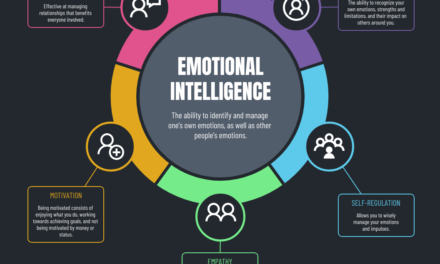
Positive thinking is intrinsically linked to emotional intelligence, the ability to understand and manage one’s emotions and empathize with the emotions of others. Optimistic individuals tend to be more attuned to their emotions, recognizing their feelings and the impact they have on their thoughts and behaviors.
With heightened emotional intelligence, optimistic individuals are better equipped to express empathy and compassion toward others. They possess a genuine interest in understanding the emotions of those around them, creating a supportive and empathetic environment. This emotional attunement strengthens their interpersonal relationships, as they become more capable of offering genuine support and being a source of comfort for others during challenging times.
3. A Growth Mindset and Openness to New Experiences
Positive thinking fosters a growth mindset, characterized by the belief that abilities and intelligence can be developed through dedication and hard work. Optimistic individuals embrace challenges as opportunities to learn and improve, rather than shying away from them out of fear of failure.
This growth mindset also fuels a sense of curiosity and openness to new experiences. Optimistic individuals approach life with a sense of adventure and a willingness to explore uncharted territories. Their open-mindedness allows them to adapt to change more effectively and seek out opportunities for personal and professional growth.
4. Confidence and Self-Efficacy
A positive mindset instills confidence and self-efficacy in individuals. Optimistic individuals believe in their capabilities and feel empowered to take on new challenges. They trust in their ability to overcome obstacles and achieve their goals, which, in turn, enhances their self-esteem.
Confidence and self-efficacy enable optimistic individuals to take initiative, pursue ambitious endeavors, and push the boundaries of their comfort zones. They are more likely to set high aspirations and work diligently to attain them, as their positive thinking reinforces the belief that success is attainable.
5. Altruism and Prosocial Behavior
Positive thinking is often associated with a higher tendency toward prosocial behavior. Optimistic individuals display a greater willingness to help others and contribute to the well-being of their communities. Their optimistic outlook fosters a sense of gratitude and a desire to pay it forward, leading them to engage in acts of kindness and altruism.
By contributing positively to their social environment, optimistic individuals nurture a culture of generosity and cooperation. They become catalysts for positive change, as their actions inspire others to adopt a more optimistic and compassionate approach to life.
The Role of Positive Thinking in Relationships
Positive thinking plays a crucial and transformative role in shaping the dynamics of relationships. When individuals embrace optimism and maintain a positive outlook, it lays the foundation for healthy and fulfilling connections with others. In this section, we explore how positive thinking influences relationships and the ways it contributes to building strong and lasting bonds.
Fostering Healthy Communication
Communication is the cornerstone of any successful relationship, be it romantic, familial, or platonic. Optimistic individuals are more adept at engaging in healthy and constructive communication with their partners, friends, or family members. They approach conversations with openness and a willingness to understand the other person’s perspective, making it easier to resolve conflicts and address challenges.
Positivity fosters empathy and active listening, creating an atmosphere where individuals feel heard and valued. When partners or friends engage in positive communication, it promotes emotional intimacy and strengthens the emotional connection between them. As a result, conflicts are less likely to escalate, and misunderstandings can be addressed with greater ease and compassion.
Creating a Positive Social Environment
Optimistic individuals have a remarkable ability to create a positive social environment around them. Their upbeat demeanor, genuine interest in others, and willingness to support and uplift those around them make them magnets for social connections. When surrounded by positivity, people feel more comfortable and encouraged to be themselves, fostering a sense of camaraderie and belonging.
In romantic relationships, this positive social environment can extend to the couple’s interactions with friends and family. When partners radiate optimism and appreciation for each other, it influences the group dynamic positively, making gatherings and social activities more enjoyable and harmonious.
Building Trust and Emotional Intimacy
Trust is the foundation of any strong relationship. Optimistic individuals tend to have a greater sense of trust in themselves and others, which translates to the way they approach their relationships. Their positive outlook encourages them to give others the benefit of the doubt, leading to stronger bonds built on mutual trust and respect.
Furthermore, positive thinking fosters emotional intimacy. As individuals feel more comfortable expressing their emotions and vulnerabilities, it deepens the emotional connection with their partners or close friends. The ability to share joys, sorrows, and fears with each other strengthens the emotional bond, creating a sense of safety and security within the relationship.
Resilience in Times of Adversity
Every relationship faces challenges and rough patches. What sets resilient relationships apart is the partners’ ability to weather these storms with optimism and unwavering support for each other. Optimistic individuals approach adversity as an opportunity for growth and learning rather than a reason for despair.
When facing challenges, they are more likely to see them as temporary obstacles that can be overcome together. This positive mindset empowers partners to be proactive in finding solutions and supporting each other through difficult times. As a result, resilient relationships not only survive adversity but emerge stronger and more united.
Embracing Gratitude and Appreciation
Positive thinking encourages individuals to practice gratitude and appreciation in their relationships. Partners who adopt a positive outlook are more inclined to recognize and acknowledge the efforts and contributions of their loved ones. Expressing gratitude for the little things and expressing appreciation for each other’s strengths and qualities nourishes the relationship’s emotional well-being.
Acts of kindness and thoughtful gestures become commonplace, creating a cycle of positive reinforcement that enhances the relationship’s overall satisfaction. When both partners feel appreciated and valued, they are more motivated to invest in the relationship and create meaningful experiences together.
The Ripple Effect of Positive Thinking on Wellbeing
Enhancing Overall Life Satisfaction
A positive mindset contributes significantly to overall life satisfaction. Optimistic individuals experience greater levels of happiness, contentment, and fulfillment. Their ability to find joy in the simplest of things enriches their daily experiences and leads to a more gratifying life.
Improving Physical Health: The Mind-Body Connection
The mind-body connection is a powerful phenomenon, and positive thinking has demonstrated tangible effects on physical health. Optimistic individuals are more likely to engage in health-promoting behaviors, such as regular exercise, healthy eating, and adequate rest. This proactive approach to health contributes to improved physical well-being and a strengthened immune system.
Cultivating Optimism: Strategies for Embracing Positive Thinking
Practicing Gratitude and Mindfulness
Gratitude and mindfulness are potent tools for cultivating optimism. Practicing gratitude involves acknowledging and appreciating the positive aspects of life, while mindfulness encourages living in the present moment and letting go of negative thought patterns.
Challenging Negative Thoughts with Cognitive Restructuring
Cognitive restructuring is a technique that involves challenging negative thought patterns and replacing them with more positive and constructive ones. This practice helps individuals identify and reframe negative beliefs, leading to a more optimistic outlook.
Surrounding Yourself with Positive Influences
Social environments play a significant role in shaping our mindset. Surrounding yourself with positive influences, supportive friends, and like-minded individuals fosters a culture of optimism and inspiration.
FAQ: Answering Common Queries on Positive Thinking
- What are the benefits of positive thinking on mental health?
Positive thinking has numerous benefits on mental health, including reduced symptoms of anxiety and depression, increased resilience, and improved coping mechanisms. - Can positive thinking improve relationships?
Yes, positive thinking can significantly improve relationships. Optimistic individuals tend to communicate effectively, display empathy, and foster a positive social environment, strengthening their bonds with others. - How can I cultivate a positive mindset?
Cultivating a positive mindset involves practices like gratitude, mindfulness, and cognitive restructuring. Surrounding yourself with positive influences also contributes to embracing optimism. - Is positive thinking linked to physical health?
Yes, positive thinking is linked to physical health. Optimistic individuals are more likely to engage in health-promoting behaviors, leading to improved physical well-being. - Can positive thinking enhance overall life satisfaction?
Absolutely, positive thinking enhances overall life satisfaction by promoting happiness, contentment, and a sense of fulfillment in daily experiences. - Does positive thinking influence personality traits?
Yes, positive thinking influences personality traits such as resilience, perseverance, and emotional intelligence.
Conclusion
The power of positive thinking transcends the realms of personality and well-being, impacting various aspects of our lives. Embracing optimism enhances mental health, nurtures relationships, and elevates overall life satisfaction. By cultivating a positive mindset and implementing practical strategies, we can harness the transformative power of positive thinking to lead happier, more fulfilling lives.





Trackbacks/Pingbacks