



















Mindful Eating and Nutrition: Nourishing the Body and Mind

Introduction
In a fast-paced world, where time seems to slip through our fingers, the practice of mindful eating and nutrition offers a chance to slow down, savor every bite, and cultivate a deeper connection with our bodies and minds. This comprehensive guide dives into the art of mindful eating, exploring its profound impact on our well-being, relationships with food, and overall health. From understanding the science behind mindful eating to practical tips and techniques, this article aims to empower readers to embrace mindful eating as a pathway to nourishing both the body and mind.
The Essence of Mindful Eating and Nutrition: An Introduction
The Concept of Mindful Eating
Mindful eating is more than just a trendy diet; it is a profound practice deeply rooted in the principles of mindfulness. At its core, mindful eating involves paying complete attention to the present moment, without judgment, as we engage in the act of eating. This heightened awareness allows us to connect with the experience of eating on a much deeper level, appreciating the flavors, textures, and nourishment that each bite offers.
In the hustle and bustle of modern life, eating has become a rushed and often mindless activity. We often find ourselves multitasking during meals, scrolling through our phones, watching television, or working on our laptops. The act of eating becomes secondary to the distractions around us, and we lose touch with our body’s natural signals of hunger and satiety.
Mindful eating invites us to break free from this cycle of mindless eating and reconnect with our bodies and the food we consume. By being present and fully engaged during meals, we cultivate a sense of gratitude for the nourishment food provides and the opportunity to savor each moment.
Mindful Eating vs. Mindless Eating
The stark contrast between mindful eating and mindless eating lies in the level of awareness and intention we bring to the table. Mindless eating is characterized by eating on autopilot, often driven by external cues such as boredom, stress, or the mere availability of food. In such a state, we eat without truly tasting or enjoying the food, leading to overeating and feelings of dissatisfaction.
On the other hand, mindful eating encourages us to slow down and become fully present with our meals. It involves using all our senses to experience the food, from its appearance and aroma to its taste and texture. By tuning in to our body’s cues, we can differentiate between genuine hunger and emotional cravings, making conscious and nourishing food choices.
The Mind-Body Connection in Nutrition
The mind-body connection plays a crucial role in how we experience and process food. Our emotions, stress levels, and thoughts significantly influence our eating habits and digestion. Consider those moments when we reach for comfort food during times of stress or reward ourselves with indulgent treats after a long day.
Mindful eating acknowledges the intricate interplay between our mind and body in the context of nutrition. It encourages us to explore the emotional aspects of eating and to be gentle with ourselves when facing challenges. By developing a mindful relationship with food, we can break free from emotional eating patterns and make empowered choices that nourish both our bodies and minds.
Cultivating a Mindful Eating and Nutrition Practice
The practice of mindful eating extends far beyond the confines of the dining table. It is an ongoing journey of self-awareness and self-compassion. Cultivating a mindful eating practice involves several key elements:
1. Paying Attention to Hunger and Satiety
Mindful eating begins with attuning ourselves to our body’s natural hunger and fullness cues. Instead of eating on a fixed schedule, we learn to listen to our bodies and eat when we genuinely feel hungry. Similarly, we stop eating when we are satisfied, honoring our body’s signals of satiety.
2. Engaging All Senses
When we eat mindfully, we engage all our senses to experience the food fully. We appreciate the vibrant colors of fruits and vegetables, inhale the aroma of freshly baked bread, and relish the textures of various dishes. This sensory exploration heightens our awareness and enjoyment of each meal.
3. Savoring Each Bite
Mindful eating encourages us to slow down and savor each bite, chewing slowly and deliberately. By taking our time with each mouthful, we allow ourselves to fully experience the taste and texture of the food, fostering a sense of gratitude for the nourishment it provides.
4. Embracing Nonjudgmental Awareness
Mindful eating invites us to release judgment and criticism around our food choices. It is not about labeling foods as “good” or “bad” but about approaching eating with curiosity and openness. This nonjudgmental awareness allows us to enjoy a wide variety of foods without guilt or shame.
5. Mindful Meal Planning and Preparation
The practice of mindful eating extends to meal planning and preparation. Mindful meal planning involves choosing nourishing and balanced foods that support our well-being. When preparing meals, we can approach the process with mindfulness, appreciating the ingredients and the effort that goes into cooking.
6. Cultivating Gratitude
Gratitude plays a pivotal role in mindful eating. By expressing gratitude for the food on our plates and the effort that went into bringing it to us, we deepen our connection with the nourishment it provides. Cultivating gratitude allows us to approach eating with a sense of abundance and appreciation.
The Transformational Power of Mindful Eating
Mindful eating is a powerful practice that can lead to transformative changes in our relationship with food and our bodies. When we embrace mindful eating as a lifestyle, we may experience the following benefits:
– Enhanced Digestion: By eating with awareness and chewing our food thoroughly, we support optimal digestion and nutrient absorption.
– Improved Eating Habits: Mindful eating empowers us to break free from mindless snacking and emotional eating patterns.
– Weight Management: By tuning in to our body’s hunger and fullness cues, we can achieve a healthier balance with food, which can support weight management.
– Reduced Stress: Mindful eating invites us to eat in a relaxed state, reducing stress and promoting a positive relationship with food.
– Emotional Well-Being: By recognizing emotional triggers and addressing them mindfully, we can reduce emotional eating and cultivate emotional well-being.
– Enhanced Body Awareness: Mindful eating fosters a deeper connection with our bodies, allowing us to recognize and respond to our body’s needs.
Check out: How Educational Games Foster Active Learning
Benefits and Insights
Mindful eating is a practice that goes beyond merely changing our eating habits; it offers a wide array of benefits and profound insights into our relationship with food, our bodies, and ourselves. By approaching eating with mindfulness and awareness, we gain valuable insights that can positively impact various aspects of our lives. Let’s explore the benefits and insights that mindful eating can bring:
1. Improved Digestion and Nutrient Absorption
One of the primary benefits of mindful eating is improved digestion. When we eat mindfully, we chew our food slowly and thoroughly, which aids in the breakdown of food particles and the secretion of digestive enzymes. This, in turn, enhances nutrient absorption, ensuring that our bodies receive the maximum nourishment from the foods we consume.
2. Weight Management and Healthy Eating Habits
Mindful eating can support weight management and healthy eating habits. By paying attention to our body’s hunger and fullness cues, we are more likely to eat when we are genuinely hungry and stop when we are satisfied. This can prevent overeating and mindless snacking, leading to a healthier balance with food and potential weight loss or maintenance.
3. Reduced Emotional Eating
Many of us turn to food for comfort during times of stress, sadness, or boredom. Mindful eating brings awareness to emotional eating patterns and helps us distinguish between emotional hunger and physical hunger. By acknowledging our emotions without judgment and finding alternative ways to cope, we can reduce emotional eating tendencies.
4. Enhanced Body Awareness
Mindful eating fosters a deeper connection with our bodies. As we become more attuned to our body’s sensations and cues, we can recognize hunger, fullness, and subtle changes in how certain foods make us feel. This heightened body awareness allows us to make more informed choices that support our overall well-being.
5. Stress Reduction and Mindful Mealtime Rituals
Eating mindfully can transform mealtime into a peaceful and stress-reducing ritual. By eating in a relaxed state and savoring each bite, we shift away from the hurried pace of modern life. This mindful approach to mealtime can serve as a grounding practice, offering a moment of calm amidst the busyness of daily routines.
6. Enhanced Appreciation for Food and Its Origins
Mindful eating encourages us to consider the source of our food and the effort that goes into its production. When we practice gratitude for the nourishment on our plates, we develop a greater appreciation for the farmers, producers, and natural processes that sustain us. This appreciation deepens our connection to the food we eat and the Earth that provides it.
7. Cultivation of Mindfulness in Other Areas of Life
The practice of mindful eating can extend beyond mealtimes and permeate other aspects of our lives. As we become more adept at being present and nonjudgmental during meals, we may find ourselves applying mindfulness to other activities, such as cooking, exercising, and even daily interactions with others.
8. Increased Joy and Pleasure in Eating
By savoring each bite and fully experiencing the flavors and textures of food, mindful eating enhances our pleasure in eating. Food becomes an opportunity for delight and nourishment rather than a source of guilt or restriction. This positive association with eating can lead to a healthier and more satisfying relationship with food.
9. Mindful Meal Planning and Food Choices
Mindful eating extends to the process of meal planning and food choices. When we approach meal planning with mindfulness, we consider the nutritional value and variety of foods that support our well-being. We also become more conscious of where our food comes from, choosing options that align with our values and ethics.
10. Body Positivity and Self-Compassion
Mindful eating encourages a shift away from body criticism and diet culture. By focusing on the nourishment food provides rather than on calorie counts or body appearance, we cultivate body positivity and self-compassion. This newfound appreciation for our bodies and their inherent wisdom contributes to overall mental and emotional well-being.
Incorporating mindful eating into our lives is not about achieving perfection but about embracing the journey with openness and curiosity. The benefits and insights gained from this practice are deeply personal and can vary from individual to individual. As we continue on the path of mindful eating, we deepen our understanding of ourselves and our unique relationship with food, nourishing not only our bodies but also our hearts and minds.
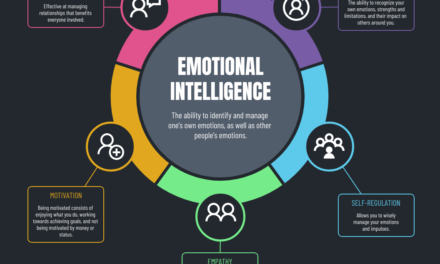
Check out: Emotional Intelligence: Enhancing Social Skills and Empathy for Meaningful Relationships

The Practice of Mindful Eating: Techniques and Tips
Mindful Eating Meditation
Mindful eating meditation is a powerful practice that allows us to be fully present during meals. This section guides readers through a step-by-step mindful eating meditation, encouraging them to engage their senses and appreciate the nourishment food provides.
Creating Mindful Eating Rituals
Integrating mindful eating into daily life involves creating mindful eating rituals. From setting the table mindfully to avoiding distractions during meals, establishing rituals can enhance the mindful eating experience and foster a deeper connection with our food.
Building a Mindful Eating Environment
The physical environment in which we eat can significantly impact our eating habits. Designing a mindful eating environment involves creating a calm and inviting space that promotes relaxation and mindful awareness during meals.
The Journey to Mindful Eating: Overcoming Challenges
Mindful Eating and Social Settings
Mindful eating may present challenges in social settings, where food becomes intertwined with socializing and celebration. Navigating social gatherings mindfully involves finding a balance between savoring the moment and making conscious food choices.
Coping with Emotional Triggers
Emotional triggers can often lead to mindless eating as a coping mechanism. Developing emotional awareness and alternative coping strategies empowers individuals to address emotional eating mindfully.
Breaking Free from Restrictive Diets
Mindful eating stands in stark contrast to restrictive diets that focus on external rules and limitations. This section explores the detrimental effects of restrictive diets and emphasizes the importance of intuitive eating and self-compassion.
The Impact of Mindful Eating on Health and Relationships
Mindful Eating and Digestive Health
The connection between mindful eating and digestive health is profound. By eating mindfully, individuals can enhance digestion, absorption of nutrients, and overall gut health.
Mindful Eating and Heart Health
Heart health is intricately linked to our eating habits. Embracing mindful eating can lead to heart-healthy food choices, reduced stress, and improved cardiovascular well-being.
Mindful Eating in Family Settings
Practicing mindful eating in family settings can positively influence children’s eating habits and foster a healthy relationship with food from an early age.
Cultivating Mindful Relationships with Food
A mindful relationship with food extends beyond individual well-being. This section explores the concept of mindful food choices and their impact on the environment and the global community.
Mindful Eating: Embracing a Nourishing Lifestyle
Mindful Eating as a Lifestyle Choice
Mindful eating is not a short-term diet but a lifestyle choice that emphasizes sustainable and mindful food habits.
Embracing Mindful Cooking
The practice of mindfulness extends to the kitchen. Embracing mindful cooking involves approaching cooking with intention, gratitude, and appreciation for the nourishment it brings.
Mindful Eating and Physical Activity
Mindful eating and physical activity are intertwined in promoting overall well-being. The article explores the benefits of mindful eating in complementing a mindful approach to exercise.
Spreading Mindful Eating Awareness
Promoting mindful eating as a movement involves raising awareness and encouraging others to embrace the practice. This section explores ways to spread mindful eating awareness in the community.
Frequently Asked Questions about Mindful Eating
What is mindful eating?
This FAQ provides a concise definition and explanation of mindful eating, setting the foundation for further exploration.
How can mindful eating improve digestion?
Mindful eating’s impact on digestion is elucidated, emphasizing the mind-body connection and its influence on the digestive process.
Can mindful eating help with weight management?
The FAQ addresses the misconception that mindful eating is solely focused on weight loss and highlights its role in promoting a balanced approach to weight management.
Is mindful eating suitable for children?
Parents and caregivers can gain insights into how mindful eating can positively impact children’s eating habits and well-being.
How does mindful eating affect emotional well-being?
This FAQ explores the role of mindful eating in emotional well-being and its potential benefits for those struggling with emotional eating.
Can mindful eating benefit those with dietary restrictions?
Mindful eating can be adapted to various dietary restrictions, and this FAQ explains how individuals can embrace mindful eating regardless of their dietary needs.
Conclusion
In conclusion, mindful eating is a transformative practice that transcends mere eating habits. It nourishes both the body and mind with awareness, fostering meaningful relationships with food, ourselves, and the world around us. By embracing mindful eating, we embark on a journey of self-discovery and conscious nourishment, inviting positive changes that ripple through every aspect of our lives. With mindfulness as our guide, we can savor each moment, one mindful bite at a time.






Trackbacks/Pingbacks