



















Journaling: Can Improve Mental Clarity and Emotional Resilience

Introduction
Journaling is a timeless practice that has been embraced by people across cultures and generations. It goes beyond simply putting pen to paper; it’s an art that can transform the way we understand ourselves and the world around us. In this comprehensive guide, we explore the profound impact of it on mental clarity and emotional resilience. We delve into the science behind this practice, its therapeutic benefits, and practical techniques to make it a rewarding habit.
The Power of Expression: Understanding the Magic of Journaling
Journaling is not just a mundane act of jotting down daily events; it’s a profound form of expression that can work wonders on the human psyche. When we put pen to paper, we unleash the power of expression, allowing our thoughts, feelings, and emotions to flow freely. It’s an intimate act of self-disclosure, a conversation with oneself that transcends the boundaries of time and space.
Through journaling, we can articulate our deepest thoughts, fears, joys, and dreams without fear of judgment. This act of vulnerability fosters self-awareness and self-acceptance. By acknowledging and embracing our thoughts and emotions, we gain insights into our inner selves, uncovering the essence of who we are. We embark on a journey of self-discovery, exploring the intricate landscapes of our minds.
The act of expression through journaling also offers emotional catharsis. It’s a release valve for pent-up emotions, providing a safe space to pour out our heart’s contents. As we release emotions onto the pages of our journals, we unburden ourselves, making room for healing and growth. The simple act of putting our feelings into words can be liberating, providing a sense of relief and a fresh perspective on life’s challenges.
Moreover, it grants us the freedom to explore our creative side. We can experiment with different writing styles, poetry, or even doodles and sketches. This creative exploration nurtures our imagination and opens up new avenues for self-expression.
The Therapeutic Benefits of Journaling
Beyond the cathartic act of expression, journaling offers a wealth of therapeutic benefits for mental well-being. The practice of journaling has been studied and recognized by psychologists and therapists as a powerful tool for improving emotional health and resilience.
1. Stress Reduction
In today’s fast-paced world, stress has become a ubiquitous part of life. It acts as a pressure valve, allowing us to release stress and tension. When we articulate our stressors on paper, we gain clarity on their sources and potential solutions. This helps us develop a proactive approach to managing stress, leading to a sense of empowerment.
2. Emotional Regulation
Emotions can sometimes feel overwhelming, leaving us feeling adrift. It enables us to identify, label, and process our emotions effectively. By acknowledging our feelings, we can better understand their triggers and patterns, allowing us to respond to them in a healthy and balanced way.
3. Self-Reflection and Growth:
Regular it fosters self-reflection, a process of looking inward to understand our actions, behaviors, and beliefs. This introspective practice promotes personal growth by identifying areas for improvement and celebrating our achievements.
4. Enhanced Problem-Solving
When faced with challenges or dilemmas, writing about them in a journal helps us analyze the situation objectively. This leads to a clearer understanding of the issues at hand and the formulation of well-thought-out solutions.
5. Improved Mood
It has been found to have a positive impact on mood and emotional well-being. The act of expressing gratitude, positive experiences, and daily joys helps shift the focus from negativity to positivity, leading to a more optimistic outlook on life.
6. Coping with Trauma and Loss
For those dealing with traumatic experiences or grief, it can be a valuable therapeutic tool. Writing about traumatic events or emotions associated with loss allows for a safe and structured way to process these difficult emotions and begin the healing journey.
7. Boosted Immune System
Scientific research has shown that expressive writing, such as it, can lead to improvements in physical health, including a boost in the immune system. By reducing stress and negative emotions, it contributes to overall well-being.
In conclusion, it is not only a form of self-expression but also a transformative practice with numerous therapeutic benefits. It provides a space for emotional release, self-reflection, and personal growth, leading to improved mental clarity and emotional resilience. Embracing the magic of it can be a life-changing journey toward greater well-being and self-awareness.
Check out: Renewable Tech: Greening Our Future
The Holistic Connection: Journaling and Holistic Wellness
It is more than just a writing exercise; it is a powerful tool that fosters holistic wellness by integrating the mind, body, and spirit. The art of it goes beyond surface-level thoughts and emotions; it delves deep into the core of our being, promoting a profound connection with ourselves and the world around us. Through the practice of it, we embark on a journey of self-discovery and self-awareness, nurturing every aspect of our well-being.
One of the fundamental ways it contributes to holistic wellness is by promoting mindfulness. As we put pen to paper, we engage in a meditative process that grounds us in the present moment. The act of it encourages us to be fully present with our thoughts and emotions, allowing us to embrace the essence of mindfulness and experience a sense of peace and tranquility.
Moreover, it serves as a therapeutic outlet for emotional release and healing. When we journal, we have the opportunity to express our deepest emotions, fears, and desires, unearthing emotions that may have been buried or ignored. By acknowledging and processing these emotions, we embark on a journey of emotional healing and growth, promoting a healthier state of mind and emotional resilience.
It also extends to physical well-being. Studies have shown that expressive writing, such as it, can positively impact our immune system and overall health. By releasing emotional tension and stress through it, we alleviate the burden on our physical body, allowing it to function optimally.
It also encourages self-reflection and self-compassion, which are vital aspects of holistic wellness. As we journal, we gain insights into our patterns of thinking and behavior, allowing us to make conscious choices that align with our values and aspirations.
Unleashing Creativity: Using Journaling to Nurture Creativity
Creativity is an inherent aspect of human nature, and it provides a nurturing space for our creative expressions to flourish. Beyond its therapeutic benefits, it is a gateway to creative thinking and problem-solving, unlocking new perspectives and innovative ideas.
Journaling encourages us to explore our thoughts and ideas without judgment or restriction. As we write freely in our journals, we tap into the subconscious mind, unleashing a wealth of creative potential that may have remained dormant otherwise. The act of journaling becomes a playground for our imagination, where we can experiment with different concepts and possibilities.
Incorporating various creative exercises into it can further stimulate creativity. From sketching and doodling to mind mapping and brainstorming, these activities can help us visualize ideas and make connections between seemingly unrelated concepts. The process of visualizing thoughts through it gives them tangible form, making it easier to develop and expand on creative ideas.
It also serves as a source of inspiration. By jotting down observations from the world around us, capturing vivid descriptions of experiences, and recording our dreams and aspirations, we create a reservoir of inspiration for future creative endeavors. It allows us to preserve moments of inspiration that can be revisited and expanded upon in the future.
Furthermore, it nurtures the creative process by promoting self-confidence. As we witness our creative expressions on paper, we gain confidence in our ability to generate ideas and find innovative solutions. It becomes a testament to our creative capacity, encouraging us to take bolder creative risks in other aspects of our lives.
In addition to nurturing creativity, it can also serve as a tool for creative problem-solving. When faced with challenges or obstacles, it allows us to explore different approaches and perspectives, helping us find solutions that we may not have considered before.

The Journey of Self-Discovery: Unraveling Inner Emotions
Emotions are complex and often challenging to navigate. It allows us to delve deep into our emotional landscapes, helping us better understand our feelings and emotions. This section explores how it aids in the journey of self-discovery and emotional intelligence.
Cultivating Gratitude: Fostering a Positive Mindset Through Journaling
Gratitude is a powerful practice that enhances overall well-being. It provides an opportunity to cultivate gratitude and focus on the positive aspects of life. This section highlights how it can foster a positive mindset and boost overall happiness.
The Science Behind Journaling: Understanding its Psychological Impact
The benefits of it go beyond anecdotal evidence; there is scientific research supporting its psychological impact. This section delves into the studies and findings that validate the transformative effects of it on mental health.
Journaling Techniques and Prompts: Enhancing the Writing Experience
The art of journaling is enriched by various techniques and writing prompts. This section offers a plethora of creative and engaging it techniques to elevate your writing experience.
Integrating Journaling into Daily Life: Overcoming Obstacles and Establishing Consistency
Consistency is key to reaping the full benefits of journaling. This section explores practical tips and strategies to integrate journaling seamlessly into your daily routine and overcome common obstacles.
Journaling for Resilience: Building Emotional Strength
Resilience is the ability to bounce back from adversity, and journaling can play a crucial role in building emotional strength. This section focuses on how journaling enhances resilience and fosters a positive outlook on life.
The Power of Reflection: Gaining Clarity and Perspective
Reflective journaling is a powerful tool for gaining clarity and perspective on life’s challenges and decisions. This section uncovers the art of reflective journaling and its role in making informed life choices.
Healing Through Words: Journaling as a Therapeutic Outlet
Writing has therapeutic qualities, and journaling can serve as a therapeutic outlet for emotional healing. This section explores how journaling can aid in processing emotions and overcoming emotional wounds.
The Art of Letting Go: Releasing Negative Thoughts and Emotions
Holding onto negative thoughts and emotions can be detrimental to mental well-being. Journaling offers a space to release and let go of negativity, fostering emotional healing and growth.
Mindfulness and Journaling: A Synergistic Practice
Journaling and mindfulness go hand in hand, with both practices enhancing self-awareness and self-compassion. This section examines the synergy between mindfulness and journaling and their combined impact on emotional well-being.
Check out: Framer and Webflow a Better Alternative to WordPress
Unveiling Patterns: Identifying Triggers and Patterns Through Journaling
Patterns in thoughts and behaviors can often go unnoticed, but it can help unveil these underlying triggers. This section discusses how journaling can aid in recognizing patterns and facilitating personal growth.
Overcoming Writer’s Block: Reigniting Inspiration and Creativity
Even experienced journalers can face writer’s block. In this section, we explore practical techniques to overcome writer’s block and reignite inspiration and creativity.
Journaling for Personal Growth: Setting Goals and Tracking Progress
Journaling can be a powerful tool for personal growth and goal setting. This section highlights how journaling can help set meaningful goals and track progress toward self-improvement.
Navigating Life Transitions: Journaling Through Change
Life is filled with transitions, and journaling can provide solace and support during times of change. This section focuses on how journaling can aid in navigating life transitions with grace and resilience.
Journaling as a Tool for Mindfulness-Based Stress Reduction
Mindfulness-based stress reduction (MBSR) is a popular technique for stress management. This section explores how journaling can complement MBSR and contribute to overall well-being.
The Art of Gratitude Journaling: Embracing Positivity
Gratitude journaling is a heartwarming practice that fosters appreciation and contentment. This section delves into the art of gratitude journaling and its impact on emotional resilience.
Writing for Emotional Release: Catharsis and Healing
Emotional release is an essential aspect of emotional well-being, and journaling offers a safe space for catharsis. This section discusses how journaling can be a form of emotional release and healing.
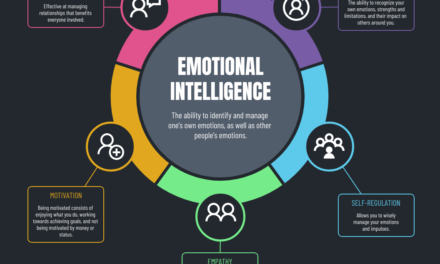
The Connection Between Journaling and Emotional Intelligence
Emotional intelligence is a vital skill in navigating relationships and understanding emotions. This section explores how it can enhance emotional intelligence and foster empathy.
Journaling as a Personal Retreat: Connecting with Inner Self
In our fast-paced lives, finding time for solitude and reflection is crucial. It serves as a personal retreat that allows us to connect with our inner selves and find solace.
Journaling for Self-Compassion: Embracing Imperfections
Self-compassion is an essential aspect of mental well-being. This section focuses on how it can foster self-compassion and embrace imperfections.
Conclusion
In conclusion, it is a transformative art that can improve mental clarity and emotional resilience. Embrace the practice of it as a tool for self-discovery, healing, and personal growth. The power of writing awaits you on the pages of your journal, offering insight, solace, and a deeper understanding of yourself and the world around you.




Trackbacks/Pingbacks