



















Holistic Wellness: Integrating Mind, Body, and Spirit for a Balanced Life
Introduction
In today’s fast-paced and demanding world, finding balance and achieving overall well-being is a top priority for many individuals. Holistic wellness is an approach that emphasizes the interconnectedness of the mind, body, and spirit, recognizing that optimal health is achieved through their integration. This comprehensive guide explores the principles of holistic wellness, offering practical insights and techniques to create a balanced and fulfilling life.
Understanding Holistic Wellness
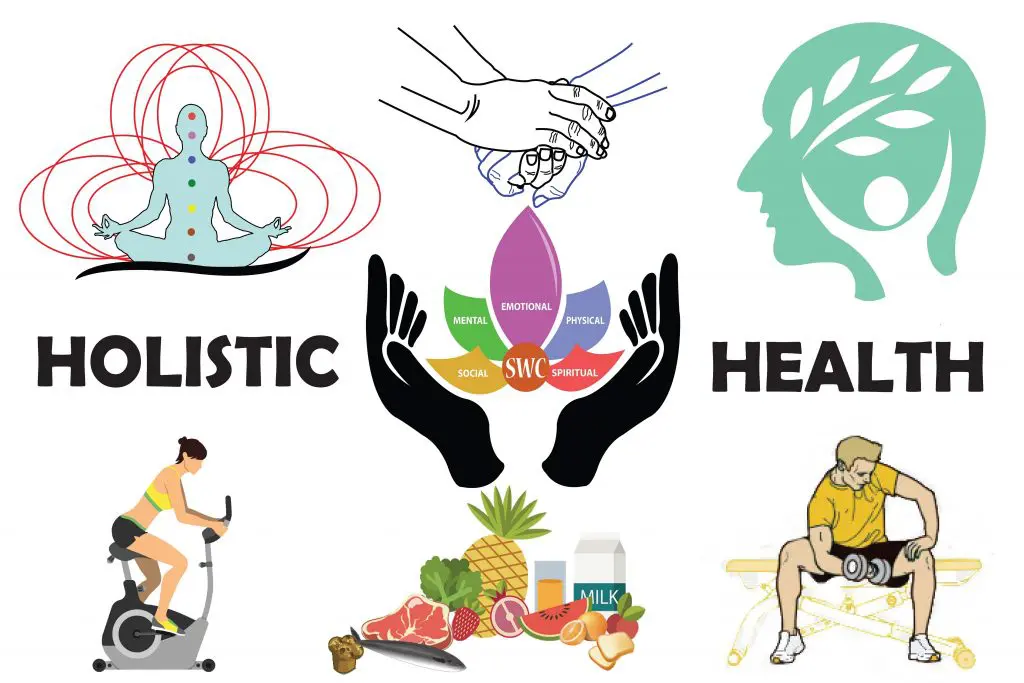
Holistic wellness is not just the absence of illness; it is a dynamic and integrated state of being. It recognizes that the mind, body, and spirit are interconnected, and to achieve true well-being, all aspects must be nurtured collectively. By addressing the whole person, holistic wellness goes beyond just physical health to encompass mental, emotional, and spiritual well-being.
The Benefits of Holistic Wellness
Embracing a holistic approach to wellness offers numerous benefits. When the mind, body, and spirit are in harmony, individuals experience increased energy, improved mental clarity, reduced stress levels, and a greater sense of overall well-being. Holistic wellness fosters resilience boosts the immune system, and promotes emotional balance, allowing individuals to navigate life’s challenges with ease.
The Core Principles of Holistic Wellness
At the heart of holistic wellness are several core principles that guide its practices:
- Wholeness: The belief that individuals are multidimensional beings, and each aspect contributes to overall health.
- Prevention: Focusing on preventive measures to maintain well-being rather than solely treating symptoms.
- Mind-Body Connection: Understanding that thoughts, emotions, and beliefs can impact physical health.
- Personal Responsibility: Encouraging individuals to take an active role in their well-being through lifestyle choices.
- Individuality: Recognizing that each person is unique and requires personalized approaches to wellness.
Check out: Positive Thinking: How Optimism Shapes These 2 things
Nurturing the Mind: Mindful Practices for Inner Peace
As a counselor, I understand the significance of nurturing the mind to achieve inner peace and emotional well-being. In our fast-paced lives, it’s easy to get caught up in the hustle and bustle, leaving little time for self-reflection and inner peace. However, dedicating time to nurture your mind through mindful practices can have profound effects on your overall well-being.
Embracing Mindfulness
At the core of nurturing the mind is the practice of mindfulness. Mindfulness involves being fully present in the moment, without judgment or distraction. It’s about paying attention to your thoughts, feelings, and sensations with curiosity and compassion. By practicing mindfulness, you can gain a deeper understanding of yourself and the world around you, leading to increased emotional resilience and a greater sense of peace.
The Transformative Power of Meditation
Meditation is a powerful tool for nurturing the mind and finding inner peace. It allows you to quiet the noise of the outside world and turn inward, connecting with your inner self. Regular meditation practice can reduce stress, anxiety, and depression while promoting feelings of calm and contentment. Through meditation, you can cultivate a deeper sense of self-awareness and develop a more positive outlook on life.
Cultivating Gratitude
In the pursuit of inner peace, it’s essential to cultivate gratitude in your daily life. Gratitude shifts your focus from what is lacking to what you already have. By taking the time to acknowledge and appreciate the blessings in your life, you can experience a profound shift in perspective. Gratitude enhances feelings of happiness and contentment, making it easier to find inner peace amidst life’s challenges.
Emotional Intelligence for Inner Harmony
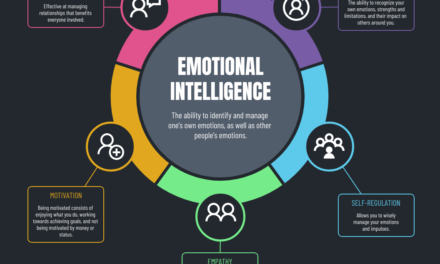
Emotional intelligence is another vital aspect of nurturing the mind. It involves the ability to recognize, understand, and manage your emotions effectively. By developing emotional intelligence, you can navigate through difficult emotions with grace and respond to challenging situations more skillfully. Cultivating emotional intelligence allows you to create a sense of inner harmony and maintain a balanced emotional state.
The Practice of Mindful Breathing
One of the simplest yet most effective mindful practices for nurturing the mind is mindful breathing. Taking a few moments each day to focus on your breath can anchor you in the present moment and bring a sense of calm. Mindful breathing reduces stress, lowers blood pressure, and improves overall well-being. It’s a portable and accessible tool that you can use anytime, anywhere, to find peace and tranquility.
Creating Mindful Moments in Daily Life
Beyond formal meditation and mindfulness practices, you can create mindful moments in your daily life. Whether it’s savoring a cup of tea, enjoying a walk in nature, or fully engaging in a creative activity, these moments of presence and mindfulness add up to a more peaceful and fulfilling life. As a counselor, I encourage you to find joy in the little things and approach each moment with mindfulness and intention.
Gratitude Journaling for Inner Reflection
Gratitude journaling is a powerful practice to nurture your mind and cultivate inner peace. Take a few minutes each day to write down things you are grateful for, whether big or small. Reflecting on the positive aspects of your life can shift your focus away from negativity and cultivate a more optimistic outlook. Over time, gratitude journaling can rewire your brain to focus on the positive, leading to increased inner peace and contentment.
Practicing Self-Compassion
Nurturing the mind involves treating yourself with kindness and compassion. Be gentle with yourself, especially during challenging times. Instead of being self-critical, practice self-compassion and offer yourself the same understanding and support you would offer a friend. By being kind to yourself, you create an inner environment of love and acceptance, fostering inner peace and emotional well-being.
Mindful Communication in Relationships
Mindful communication is essential for nurturing the mind and fostering harmonious relationships. Listen actively and attentively to others, expressing yourself with kindness and respect. Mindful communication deepens connections and minimizes misunderstandings, leading to more fulfilling relationships and a greater sense of inner peace.
Finding Stillness in Solitude
In our increasingly connected world, finding moments of solitude is crucial for nurturing the mind. Spend time alone in quiet reflection, away from distractions and external influences. Solitude allows you to recharge, process your thoughts, and find clarity. Embrace solitude as an opportunity to connect with your inner self and cultivate inner peace.
Check out: Effects of Social Media on One’s Mental Health
Nourishing the Body: Physical Well-Being for Vitality
Nourishing the body is a fundamental aspect of holistic wellness, as physical well-being serves as the foundation for overall health and vitality. When the body is in good health, it supports the mind and spirit, enabling individuals to lead fulfilling and energized lives. This section delves into the essential elements of physical well-being and explores how nutrition, exercise, sleep, and stress management contribute to achieving vitality and balance.
Nutrition for Holistic Wellness
The saying “you are what you eat” holds profound truth when it comes to holistic wellness. Nutrition plays a pivotal role in supporting various bodily functions and maintaining overall health. A balanced and nutrient-rich diet is essential for providing the body with the fuel it needs to thrive.
The Role of a Balanced Diet
A balanced diet consists of a variety of nutrients, including carbohydrates, proteins, fats, vitamins, and minerals. Each nutrient contributes uniquely to the body’s functions, promoting growth, repair, and energy production. A diet rich in fruits, vegetables, whole grains, lean proteins, and healthy fats supports holistic wellness by providing a wide array of essential nutrients.
Mindful Eating Practices
Mindful eating is a practice that involves paying full attention to the eating experience, savoring each bite, and being aware of hunger and fullness cues. By practicing mindful eating, individuals can develop a healthier relationship with food, prevent overeating, and better understand their body’s nutritional needs.
The Role of Exercise in Holistic Wellness
Physical activity is not just about sculpting the body; it is a key component of holistic wellness. Regular exercise has numerous benefits for both the body and mind, making it an indispensable aspect of maintaining overall well-being.
Boosting Cardiovascular Health
Aerobic exercises, such as walking, running, swimming, or cycling, are excellent for cardiovascular health. These exercises increase the heart rate and improve blood circulation, reducing the risk of heart disease and other cardiovascular conditions.
Strengthening Muscles and Bones
Resistance training, such as weightlifting or bodyweight exercises, helps build and tone muscles, promoting strength and flexibility. Additionally, weight-bearing exercises contribute to bone density, reducing the risk of osteoporosis.
Reducing Stress and Enhancing Mood
Physical activity triggers the release of endorphins, often referred to as “feel-good” hormones. These chemicals act as natural mood lifters, reducing stress and anxiety while promoting feelings of happiness and well-being.
Mind-Body Connection in Exercise
Exercise also fosters a strong mind-body connection. Engaging in physical activity can improve body awareness, self-esteem, and body image, leading to a more positive perception of oneself.
Check out: Survival Limits: How Long Can the Human Body Endure?
The Importance of Restorative Sleep
Sleep is a cornerstone of physical well-being. During restorative sleep, the body undergoes vital processes such as tissue repair, hormone regulation, and memory consolidation.
Understanding Sleep Cycles
The sleep cycle consists of several stages, including non-REM (rapid eye movement) and REM sleep. Each stage plays a crucial role in maintaining physical and mental health.
Developing Healthy Sleep Habits
Creating a sleep-friendly environment and establishing a regular sleep schedule are key factors in developing healthy sleep habits. Minimizing screen time before bedtime and engaging in relaxation techniques can also promote restful sleep.
The Impact of Sleep on Holistic Wellness
Sleep deprivation can lead to a range of health issues, including impaired cognitive function, weakened immune system, and increased stress levels. Prioritizing restorative sleep is essential for overall vitality and well-being.
Stress Management and Relaxation Techniques
Stress is an inevitable part of life, but chronic stress can take a toll on the body and mind. Effectively managing stress is crucial for maintaining physical well-being.
Identifying Stress Triggers
Understanding the sources of stress in one’s life is the first step in managing it effectively. By identifying stress triggers, individuals can develop targeted strategies to reduce their impact.
Mindfulness-Based Stress Reduction
Mindfulness practices, such as meditation, deep breathing exercises, and yoga, are effective in reducing stress. These techniques promote relaxation, lower cortisol levels, and improve overall resilience.
Holistic Approaches to Stress Management
Incorporating holistic stress management techniques, such as aromatherapy, massage therapy, and spending time in nature, can further support physical well-being and promote relaxation.
Nurturing the Spirit: Connecting with Inner Wisdom
Spiritual well-being is often overlooked but plays a significant role in holistic wellness. It involves finding meaning and purpose in life and connecting with something greater than oneself.
Spirituality and Holistic Wellness
Spirituality does not necessarily mean adhering to a specific religion; it is about finding a sense of purpose and connection to something beyond the self.
Self-Discovery and Personal Growth
Self-discovery is a journey of understanding oneself on a deeper level. It involves exploring personal values, beliefs, and passions.
The Power of Purpose
Having a sense of purpose brings meaning and direction to life. It provides motivation, enhances well-being, and fosters resilience during challenging times.
Integrating Mind, Body, and Spirit: Creating Balance
Holistic wellness is about integrating all aspects of life to create harmony and balance.
Embracing Holistic Self-Care Practices
Self-care goes beyond pampering; it involves nurturing the mind, body, and spirit regularly. From self-reflection to engaging in hobbies, self-care is an essential aspect of holistic wellness.
Mindful Time Management
Balancing responsibilities and finding time for self-care can be challenging. Mindful time management helps individuals prioritize tasks while making room for personal well-being.
Building Resilience for Life’s Challenges
Resilience is the ability to bounce back from adversity. It is an essential skill in navigating life’s ups and downs while maintaining well-being.
Frequently Asked Questions (FAQs)
- What is holistic wellness, and how is it different from traditional approaches to health?
Holistic wellness emphasizes the interconnectedness of the mind, body, and spirit for overall well-being, while traditional approaches often focus solely on physical symptoms. - How can I incorporate mindfulness into my daily life to promote holistic well-being?
Mindfulness can be practiced through activities such as meditation, deep breathing exercises, or simply being present and fully engaged in everyday tasks. - What are some simple exercises I can practice for physical well-being without going to the gym?
Walking, yoga, and bodyweight exercises are excellent options for maintaining physical well-being without the need for a gym. - How can spirituality contribute to my overall sense of well-being?
Spirituality provides a sense of purpose, connection, and meaning in life, which can enhance overall well-being and happiness. - Is it necessary to follow a specific spiritual path to achieve holistic wellness?
No, spirituality is a personal journey, and individuals can explore various practices and beliefs to find what resonates with them. - How can I strike a balance between my personal and professional life to support holistic well-being?
Prioritizing self-care, setting boundaries, and managing time mindfully can help create a balance between personal and professional life.
Conclusion
Holistic wellness is a transformative journey that brings harmony to the mind, body, and spirit. By integrating mindfulness, physical well-being, and spiritual growth, individuals can achieve a balanced and fulfilling life. Embrace the path to holistic wellness, and embark on a journey of self-discovery and empowerment that leads to a vibrant and joyful life. Remember, the key to holistic wellness lies in the integration of mind, body, and spirit, fostering a balanced and interconnected approach to overall well-being.