

















Game Design for Learning: Creating Effective Educational Experiences
Introduction
In the realm of education, traditional methods of teaching are increasingly being complemented and enhanced by innovative approaches. One such approach that has gained immense popularity is game design for learning. The use of educational games as a tool for imparting knowledge and skills has revolutionized the way students and learners engage with educational content.
This comprehensive article explores the fascinating world of game design for learning and its role in creating effective educational experiences. We will delve into the core principles of designing educational games, understand the benefits they offer to learners, and uncover best practices to ensure game-based learning success.
Game Design for Learning: An Overview
Game design for learning is a revolutionary approach to education that harnesses the power of games to create engaging and effective learning experiences for students of all ages. It goes beyond traditional teaching methods and incorporates interactive elements, immersive narratives, and game mechanics to make learning enjoyable and meaningful. This section provides an in-depth overview of the key concepts and principles that form the foundation of game-based learning.
What is Game-Based Learning?
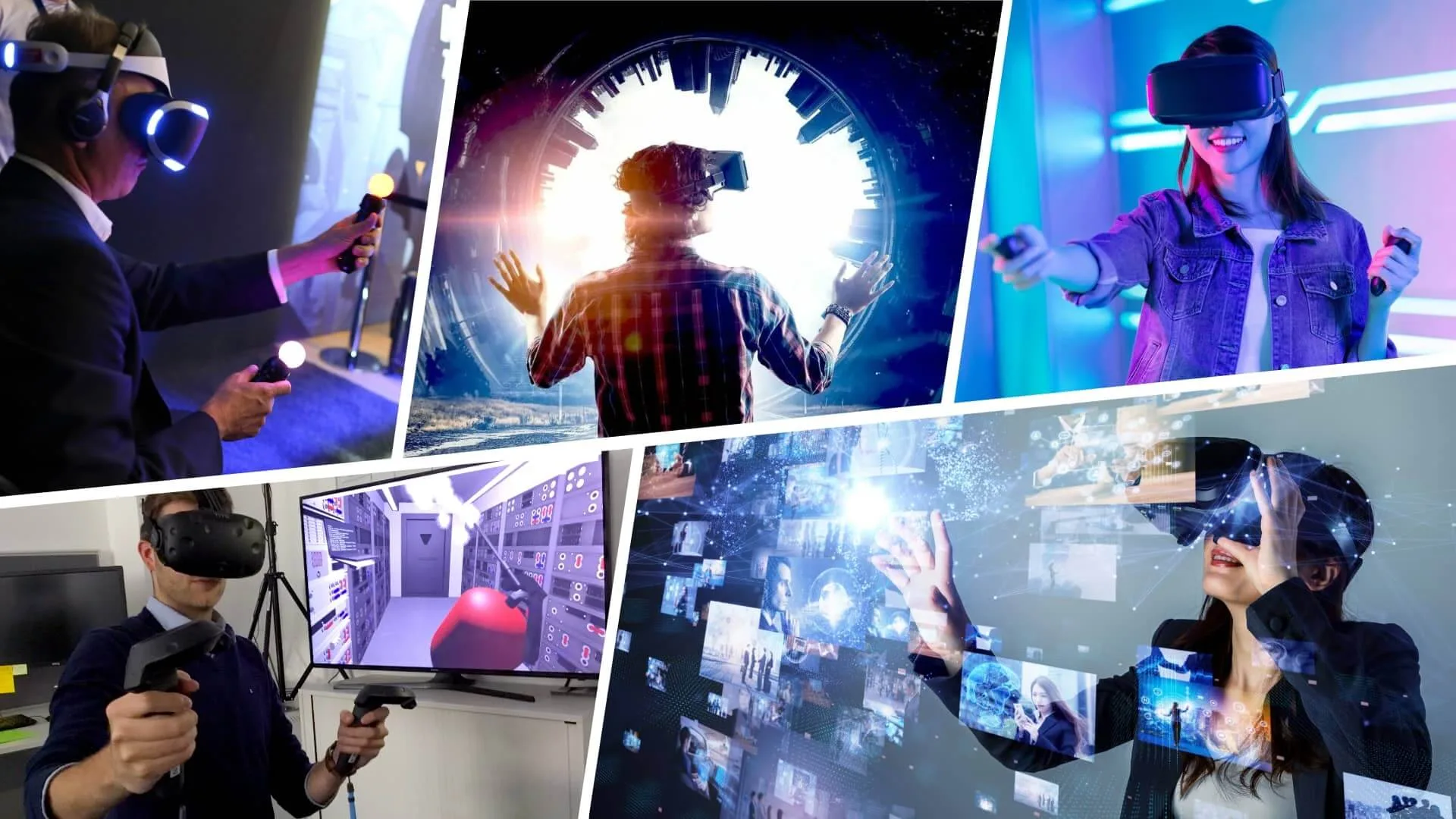
At its core, game-based learning is the integration of games into the educational process to enhance learning outcomes. Unlike conventional teaching methods that rely on lectures and textbooks, game-based learning introduces interactive and immersive elements that actively involve students in the learning process. It transforms the traditional role of the learner from a passive recipient to an active participant, making education an exciting and enjoyable journey.
In game-based learning, educational content is presented in the form of games, simulations, puzzles, and quizzes. These games are designed to align with specific learning objectives and subject matter, providing learners with a context in which they can apply their knowledge and skills. As students progress through the game, they encounter challenges and obstacles that require critical thinking, problem-solving, and decision-making.
Core Principles of Designing Educational Games
Effective game design for learning relies on a set of core principles that guide the development of educational games. These principles ensure that the games are not only entertaining but also aligned with educational goals and objectives. Let’s explore some of these essential principles:
1. Learning Objectives: Every educational game should have clear and specific learning objectives. These objectives define the knowledge or skills that students are expected to acquire through gameplay. By having well-defined learning objectives, game designers can create focused and targeted learning experiences.
2. Engagement and Motivation: Game-based learning is successful when it captures and sustains learners’ interest and motivation. Engaging gameplay, captivating narratives, and interactive challenges keep students invested in the learning process, making them more likely to actively participate and persist in their efforts.
3. Feedback and Progression: Effective educational games provide timely and constructive feedback to learners. Feedback helps students understand their performance, identify areas for improvement, and celebrate their achievements. Additionally, games should offer a sense of progression and achievement as students advance through levels or complete challenges.
4. Immersive Narratives: Games with compelling narratives create emotional connections with learners, making the learning experience more memorable and meaningful. Immersive narratives not only contextualize the learning content but also evoke curiosity and curiosity, driving learners to explore and discover.
5. Adaptability and Personalization: Educational games should be adaptable to meet the diverse learning needs and preferences of students. The ability to personalize the learning experience ensures that each student receives content and challenges that are suited to their individual learning pace and style.
6. Game Mechanics and Interactivity: Game mechanics are the rules and systems that govern gameplay. In educational games, game mechanics should complement the learning objectives, encouraging learners to apply their knowledge and skills in a dynamic and interactive environment.
Check out: Game-Based Learning: Revolutionizing Education for the Digital Generation
Benefits of Game-Based Learning
Game design for learning offers a myriad of benefits that contribute to enhanced learning outcomes and student engagement. Let’s explore some of the key advantages of game-based learning:
1. Increased Motivation: Educational games tap into students’ intrinsic motivation, making them eager to learn and explore. The element of fun and challenge in games ignites students’ curiosity, making them more proactive and enthusiastic about their studies.
2. Improved Retention and Recall: Games offer repetitive and interactive learning experiences, reinforcing students’ understanding of concepts and enhancing their memory retention. Active engagement in gameplay helps students retain information for a longer duration.
3. Enhanced Problem-Solving Skills: Educational games present learners with complex challenges and problems that require critical thinking and problem-solving. By navigating through these challenges, students develop analytical and decision-making skills.
4. Immediate Feedback: Games provide instant feedback, enabling students to assess their performance and make necessary adjustments in real-time. Immediate feedback allows learners to identify and correct mistakes, promoting a deeper understanding of concepts.
5. Safe Learning Environment: Games create a safe and risk-free learning environment where students can experiment, make mistakes, and learn from them without fear of failure. This fosters a growth mindset and encourages a positive attitude toward learning.
6. Collaborative Learning: Many educational games offer collaborative features, allowing students to work together, share knowledge, and collaborate on solving problems. Collaborative learning promotes teamwork and communication skills.
In conclusion, game design for learning offers a transformative approach to education that combines entertainment with education, providing students with engaging and effective learning experiences. By incorporating core principles of game design and leveraging the benefits of game-based learning, educators can create dynamic and interactive learning environments that foster student success and academic growth. As the field of game-based learning continues to evolve, it promises a bright future for education, where students are motivated, empowered, and enthusiastic about their learning journey.
Designing Educational Games: A Step-by-Step Guide
Designing educational games that effectively engage learners and facilitate meaningful learning experiences is both an art and a science. This step-by-step guide provides a comprehensive overview of the process involved in creating educational games that captivate learners while achieving specific learning objectives.
1. Identifying Learning Objectives
At the heart of every successful educational game lies a clear set of learning objectives. These objectives outline the knowledge, skills, or concepts that learners should acquire through the game. Before diving into the game design process, educators and game designers must collaborate to define specific and measurable learning outcomes.
For instance, if the learning objective is to improve students’ mathematical proficiency in multiplication, the game’s design must align with this goal. By having a well-defined learning objective, designers can ensure that the game’s mechanics, challenges, and content are purposeful and focused on fostering the desired learning outcomes.
2. Understanding the Target Audience
An essential aspect of designing educational games is understanding the target audience. Learners’ preferences, interests, age groups, and prior knowledge play a significant role in shaping the game’s design. Conducting audience analysis through surveys, interviews, or observations helps identify learners’ needs and ensures that the game content is relevant and engaging to them.
For example, designing a game for elementary school students will require different approaches and aesthetics than creating a game for college-level learners. Understanding the target audience helps designers tailor the game’s difficulty level, content complexity, and overall experience to maximize learner engagement.
3. Game Mechanics and Interactivity
The game mechanics form the backbone of any educational game. These mechanics dictate how the game operates, the rules that govern player interactions, and the challenges they face. Designers must carefully select game mechanics that align with the learning objectives and engage learners throughout the gaming experience.
For instance, a game aiming to teach historical events could include quiz-style interactions, puzzles, or decision-making scenarios where players assume historical figures’ roles. By incorporating mechanics that encourage critical thinking and problem-solving, learners are actively engaged in the learning process.
4. Developing Meaningful Narratives
A compelling narrative adds depth and context to an educational game. Whether the game is set in a fantasy world or mimics real-life situations, a well-crafted storyline can immerse learners and create emotional connections with the content.
For instance, in a biology-themed game, learners may embark on a virtual quest to explore different ecosystems and encounter various organisms. The narrative can be designed to foster curiosity, prompting learners to seek answers to questions and explore further within the game.
5. Balancing Fun and Learning
The ultimate goal of educational games is to strike the right balance between fun and learning. While the game must be enjoyable and entertaining, it should never compromise the learning objectives. Finding this equilibrium ensures that learners remain motivated and enthusiastic about playing the game while also gaining valuable knowledge and skills.
For example, incorporating rewards, achievements, and progress tracking can make the learning experience more enjoyable. Additionally, providing timely feedback and adaptive challenges keeps learners challenged and invested in their learning journey.
6. User Interface (UI) and User Experience (UX)
An intuitive and user-friendly interface is vital for the success of an educational game. The UI design must be visually appealing, easy to navigate, and accessible to learners of all ages and abilities. Simplicity and clarity in the interface ensure that learners can focus on the learning content without distraction.
Furthermore, a positive user experience is essential for engagement and retention. The game should provide smooth gameplay, responsive controls, and minimal load times to keep learners fully immersed in the learning process.
7. Prototyping and Testing
Before launching the educational game, it is crucial to create prototypes and conduct rigorous testing. Prototyping allows designers to experiment with different game mechanics, UI designs, and narratives to assess their effectiveness in achieving the learning objectives.
Testing involves soliciting feedback from learners and educators through playtesting sessions. This feedback helps identify areas of improvement and ensures that the final game meets the intended learning outcomes.
Check out: Using Gamification to Motivate Students: Fun and Achievement in Education
Implementing Game-Based Learning in the Classroom
Game-based learning has garnered significant attention in the field of education due to its ability to engage students, enhance learning outcomes, and promote a positive and enjoyable learning experience. As educators seek to integrate innovative approaches into their classrooms, game-based learning stands out as an effective method to captivate students’ interest and foster a deeper understanding of the subject matter. This section explores practical strategies for implementing game-based learning in the classroom, empowering educators to create dynamic and interactive learning environments.
1. Integrating Educational Games in the Curriculum
One of the first steps in implementing game-based learning is seamlessly integrating educational games into the curriculum. This requires careful planning and alignment of the game content with the learning objectives of the course. Educators should identify topics or concepts where game-based learning can add value and complement traditional teaching methods.
For example, in a history class, an educational game can simulate historical events, allowing students to make decisions and witness the consequences of their choices. In a math class, a gamified learning platform can present complex problem-solving scenarios, encouraging students to apply mathematical concepts in real-world contexts.
The key is to strike a balance between game-based activities and other instructional methods to ensure that games serve as meaningful supplements to the overall learning experience.
2. Facilitating Game-Based Learning Experiences
In a game-based learning environment, the role of the educator shifts from a traditional lecturer to that of a facilitator. Educators act as guides, providing support, encouragement, and feedback to students as they navigate through the game.
During game-based activities, educators should actively participate, offering hints, answering questions, and clarifying concepts when needed. They can also organize students into small groups or pairs to encourage collaborative problem-solving and teamwork.
Moreover, educators should create a safe and supportive space where students feel comfortable taking risks and learning from their mistakes. Emphasizing the value of the learning process, rather than focusing solely on the final outcome, helps reduce anxiety and encourages students to engage actively with the game.
3. Assessing Learning Outcomes
Assessment is a critical aspect of the learning process, even in game-based learning environments. To evaluate learning outcomes effectively, educators should employ a combination of formative and summative assessment methods.
Formative assessments, such as in-game quizzes or discussions, provide real-time feedback on student’s progress and understanding. These assessments allow educators to identify areas of improvement and tailor their instructional support accordingly.
On the other hand, summative assessments, such as post-game reflections or traditional tests, can gauge the overall learning achievements after completing game-based activities. By combining both types of assessments, educators gain a comprehensive understanding of students’ learning gains and can make informed decisions to enhance the learning experience further.
4. Overcoming Challenges
Implementing game-based learning in the classroom may present some challenges, but with careful planning and flexibility, these obstacles can be overcome.
One common challenge is the initial resistance from students or educators who are unfamiliar with game-based learning. To address this, educators can introduce educational games gradually, starting with simple and engaging games that align with the curriculum. As students experience the benefits of game-based learning firsthand, their enthusiasm is likely to grow, easing any initial hesitations.
Another challenge is the need for technological support and resources to access game-based learning platforms. However, many educational games can be accessed on various devices, including laptops, tablets, and smartphones. Additionally, several free or affordable game-based learning platforms are available, making it accessible to educators with different budget constraints.
5. Emphasizing the Learning Process
Beyond the excitement of playing games, educators must emphasize the learning process and ensure that educational games serve as more than just entertaining diversions. By aligning games with specific learning objectives, educators can harness the full potential of game-based learning to enhance students’ critical thinking, problem-solving, and decision-making skills.
Ultimately, implementing game-based learning in the classroom requires a shift in pedagogical approach and a willingness to embrace innovative educational methods. As educators embrace this approach, they open doors to new and exciting possibilities in education, empowering students to become active and enthusiastic learners on their educational journey.
Best Practices and Case Studies
To ensure the success of game-based learning initiatives, educators and designers can adopt best practices and draw inspiration from successful case studies.
1. Gamification in Education
Gamification involves integrating game elements into non-game contexts to motivate learners. This section explores the concept of gamification in education and its impact on student engagement.
2. Case Studies: Successful Game-Based Learning Implementations
Learning from real-world examples, we’ll analyze successful game-based learning implementations and draw insights into their design, execution, and learning outcomes.
3. Accessibility and Inclusivity in Educational Games
Ensuring educational games are accessible to all learners is crucial. In this part, we’ll discuss the importance of designing inclusive games that cater to diverse learners.
Challenges and Future of Game-Based Learning
As with any educational approach, game-based learning faces challenges and opportunities for future growth.
1. Addressing Challenges in Game-Based Learning
This section addresses common challenges faced in game-based learning, such as
technological constraints, budget limitations, and teacher training.
2. The Future of Game-Based Learning
Looking ahead, we explore the potential of game-based learning and its role in shaping the future of education.
Frequently Asked Questions (FAQs)
Below are some frequently asked questions about game design for learning and concise answers.
Q. What is the Definition of Game-Based Learning?
Game-based learning refers to the use of games to facilitate the learning process, promoting engagement, motivation, and skill development.
Q. How Does Game-Based Learning Enhance Learning Outcomes?
Game-based learning enhances learning outcomes by providing interactive and immersive experiences that increase learner engagement and retention.
Q. Can Educational Games Be Used in Online Learning?
Yes, educational games can be seamlessly integrated into online learning environments to make learning more enjoyable and effective.
Q. What Types of Educational Games are Suitable for Different Age Groups?
Educational games can be tailored to different age groups, from simple games for young learners to complex simulations for older students.
Q. How Can Educators Assess Learning Progress in Game-Based Learning?
Educators can assess learning progress in game-based learning through observation, formative assessments, quizzes, and other interactive elements within the games.
Q. Are Game-Based Learning Platforms Expensive?
The cost of game-based learning platforms varies, but there are both free and paid options available, making it accessible to different institutions.
Conclusion
Game design for learning offers a powerful and innovative approach to education that has the potential to transform traditional learning experiences. By understanding the core principles of game-based learning, educators, and designers can create effective and engaging educational experiences that foster curiosity, critical thinking, and a love for learning in students of all ages. As the field of game-based learning continues to evolve, it presents exciting opportunities to revolutionize education and create a brighter future for learners around the world.





Trackbacks/Pingbacks