

















Game-Based Learning: Revolutionizing Education for the Digital Generation
Introduction
The digital generation is growing up in a world filled with technology and interactive experiences. As traditional education faces new challenges in engaging students, educators and researchers are turning to innovative approaches to enhance learning outcomes. Among these approaches, game-based learning has emerged as a powerful tool to revolutionize education.
Game-based learning harnesses the immersive and interactive nature of games to create engaging and enjoyable learning experiences. This article delves into the potential of game-based learning in transforming education for the digital generation. We explore the benefits, challenges, and effective implementation strategies to leverage the power of educational games in the modern classroom.
The Power of Play: How Educational Games Foster Active Learning
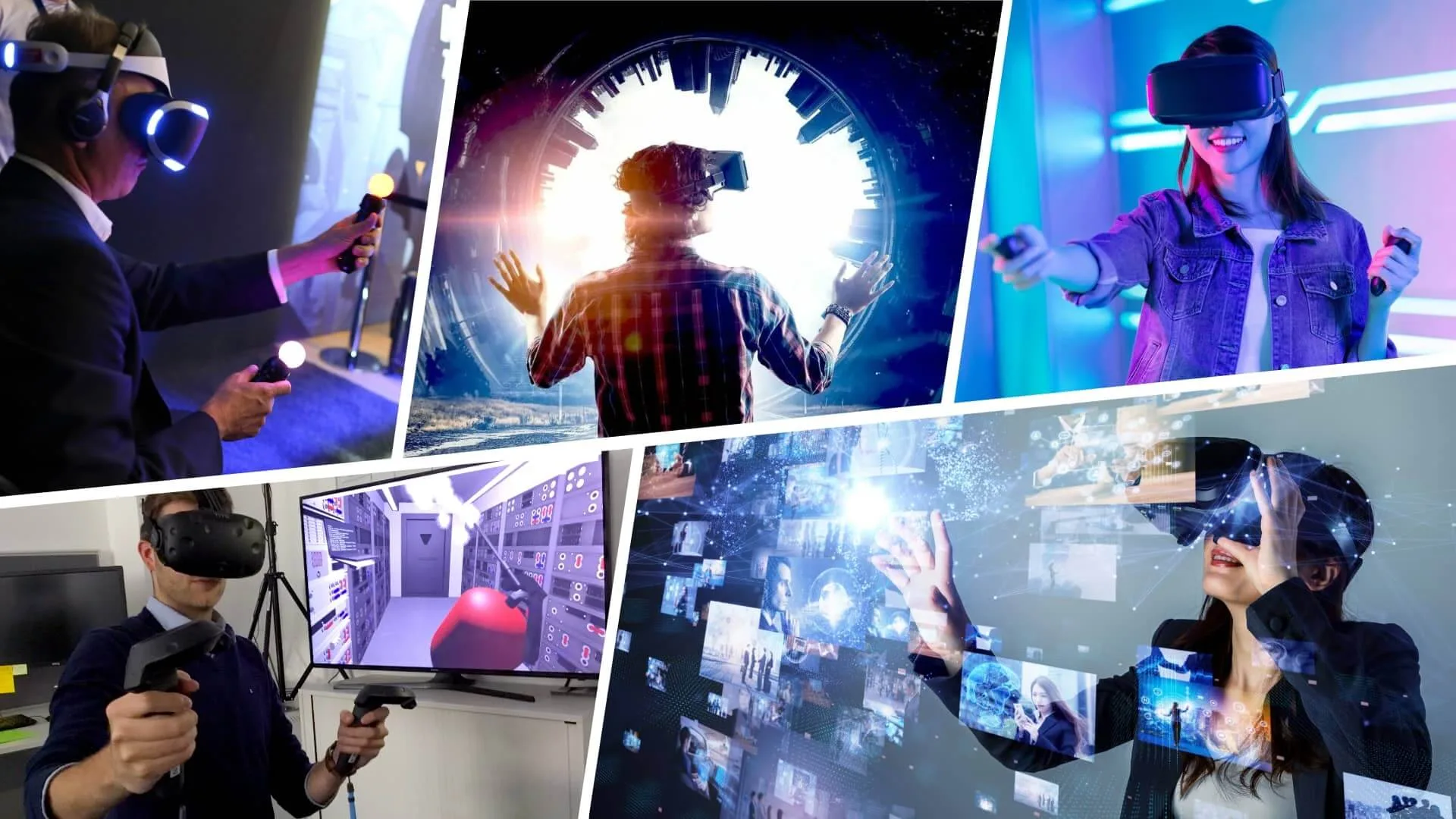
In a world where screens and digital devices dominate, educational games offer a unique opportunity to combine play and learning seamlessly. The power of play lies in its ability to captivate learners’ attention, encourage exploration, and foster active participation in the learning process.
Educational games are designed with specific learning objectives in mind, ensuring that they align with curriculum standards and educational goals. By integrating educational content into gameplay, students can acquire knowledge and skills while immersed in a dynamic and interactive virtual environment.
The Benefits of Game-Based Learning
- Increased Engagement and Motivation
One of the most notable advantages of game-based learning is its ability to capture students’ attention and keep them engaged throughout the learning process. Educational games are designed to be immersive, interactive, and enjoyable, which naturally motivates students to participate actively.
- Personalized Learning Experience
Each student learns at their own pace and has unique learning preferences. Game-based learning can cater to these individual differences by offering personalized experiences. Many educational games employ adaptive algorithms that adjust the difficulty level and content based on the learner’s performance. This personalized approach ensures that students receive content tailored to their specific needs, allowing them to grasp concepts effectively and build confidence in their abilities.
- Active Learning and Critical Thinking
Game-based learning fosters active learning, as students are actively involved in decision-making, problem-solving, and strategy development within the game’s context. These challenges demand critical thinking skills and prompt learners to analyze information, make informed choices, and apply knowledge in real-world scenarios.
- Immediate Feedback and Assessment
In traditional classroom settings, students often have to wait for assignments to be graded or exams to receive feedback on their performance. In contrast, game-based learning offers instant feedback. Learners receive immediate responses to their actions, allowing them to assess their progress in real-time. This timely feedback not only enhances the learning experience but also encourages a growth mindset, where students view mistakes as opportunities for improvement and learning.
- Continuous Engagement and Persistence
Educational games are designed to provide continuous challenges and opportunities for growth. As students progress through different levels of complexity, they encounter new obstacles that require them to apply their knowledge and skills creatively. The element of challenge and the desire to conquer difficult tasks motivates learners to persist in their efforts, promoting a strong work ethic and resilience.
- Emotional and Social Development
Game-based learning can facilitate emotional and social development in students. Cooperative games, for example, encourage collaboration and teamwork, fostering essential social skills. Additionally, games often incorporate storytelling and character development, which can evoke emotional responses and empathy in players. These emotional connections can enhance the overall learning experience and make educational content more memorable.
- Transferring Skills to Real-World Contexts
A well-designed educational game mirrors real-world scenarios, enabling learners to apply the knowledge and skills they acquire within the game to real-life situations. This transfer of learning ensures that students can bridge the gap between theoretical concepts and practical applications, making their education more relevant and applicable in their lives.
- Enhanced Subject Understanding
By engaging with educational games focused on specific subjects, students can develop a deeper understanding of complex topics. Visual and interactive elements aid in visualizing abstract concepts, making them more accessible and comprehensible. As a result, students are better equipped to tackle challenging subject matter and develop a strong foundation in various disciplines.
Check out: Using Gamification to Motivate Students: Fun and Achievement in Education
Implementing Game-Based Learning Effectively
1. Aligning Games with Learning Objectives
The first step in implementing it effectively is to align the selected educational games with specific learning objectives. Educators must identify the core concepts and skills they want students to acquire through gameplay. By choosing games that directly support these learning objectives, educators can ensure that game-based learning enhances the overall educational experience.
Games should reinforce the content taught in the classroom and provide opportunities for students to practice and apply their knowledge. For example, a math teacher may select a game that focuses on multiplication and division to reinforce these concepts for students.
2. Balancing Fun and Learning
While educational games should be engaging and enjoyable, striking the right balance between fun and learning is essential. Games that are too simplistic or heavily focused on entertainment may not effectively support the desired learning outcomes. On the other hand, games that are overly complex or challenging may frustrate students and impede their progress.
The key is to select games that strike a harmonious balance between enjoyable gameplay and meaningful educational content. Educational game developers often incorporate elements such as narrative storytelling, appealing graphics, and interactive features to make the learning experience more engaging.
3. Providing Clear Instructions and Support
Before introducing a game to students, educators should provide clear instructions on how to play and navigate the game’s interface. Students need to understand the game’s mechanics, rules, and objectives to fully engage with the learning content.
Additionally, offering ongoing support and guidance during gameplay is crucial, especially in the early stages. Students may encounter challenges or require assistance in understanding certain concepts within the game.
4. Monitoring Progress and Assessing Learning
One of the significant advantages of game-based learning is the ability to collect data on student performance within the game. Educators can leverage this data to gain insights into students’ progress, achievements, and areas of improvement. Data analytics and dashboards provide valuable information on individual student performance and the overall class’s performance.
By monitoring student progress, educators can identify learning gaps and adjust instruction accordingly. Data-driven insights allow educators to tailor their teaching strategies and provide targeted support to students who may be struggling with specific concepts.
5. Encouraging Collaboration and Discussion
Game-based learning presents opportunities for collaborative learning experiences. Encouraging students to work together, discuss strategies, and solve problems as a team can enhance the learning process. Collaborative gameplay fosters communication skills, teamwork, and critical thinking as students collaborate to achieve common goals.
Educators can design specific activities or reflection prompts that encourage students to discuss their experiences and learning outcomes during and after gameplay.
Check out: E-Commerce: Challenges, and Opportunities for Businesses
Addressing Challenges in Game-Based Learning
Game-based learning offers numerous benefits in engaging students and enhancing their learning experiences. However, like any educational approach, it also comes with its fair share of challenges that educators must address to ensure its effectiveness. By proactively addressing these challenges, educators can maximize the potential of game-based learning and create a positive impact on student learning outcomes.
1. Access to Technology:
One of the primary challenges in implementing game-based learning is ensuring equitable access to technology for all students. Not all schools or students may have access to the necessary digital devices or internet connectivity to engage in game-based learning activities. This disparity can create a digital divide, where some students may miss out on the benefits of this approach.
To address this challenge, schools, and educational institutions must consider providing access to technology resources for all students. This may involve investing in computer labs, providing laptops or tablets for students to use during class, or offering technology loan programs for those who do not have access to personal devices at home. Collaborating with community organizations or seeking government assistance can also help bridge the technology gap and ensure that game-based learning is accessible to all students.
2. Overcoming Resistance to Change:
Introducing game-based learning into the classroom may face resistance from educators, administrators, or other stakeholders who are unfamiliar with the approach or skeptical about its effectiveness. Some may view games as a distraction or believe that traditional teaching methods are more reliable.
To overcome resistance to change, it is essential to provide evidence of the positive impact of game-based learning on student engagement and learning outcomes. Presenting case studies and success stories of other educators who have implemented game-based learning effectively can help build confidence in this approach. Professional development opportunities and workshops can also provide educators with the necessary training and support to integrate games into their teaching practices.
3. Balancing Screen Time:
With the increasing use of technology in education, educators must strike a balance between screen time and other learning activities. Excessive screen time can lead to issues like digital fatigue, reduced attention spans, and potential health concerns.
To address this challenge, educators can incorporate game-based learning as one of several instructional strategies rather than relying solely on digital devices. Balancing game-based activities with hands-on learning, discussions, and group activities can create a well-rounded learning experience. Additionally, setting time limits for game-based activities and encouraging outdoor or non-screen-related breaks can help mitigate the negative effects of excessive screen time.
4. Aligning Games with Learning Objectives:
While game-based learning is engaging, it is essential to ensure that the games selected align with specific learning objectives and curriculum standards. Simply using games for entertainment without clear educational goals may lead to a lack of focus and direction in the learning process.
To address this challenge, educators should carefully review and evaluate educational games before incorporating them into the curriculum. Games should be chosen based on their relevance to the subject matter and their ability to reinforce specific learning objectives. It may be beneficial to involve teachers, subject matter experts, and educational game designers in the selection process to ensure that the chosen games are effective tools for learning.
5. Data Privacy and Security:
When using technology and online platforms for game-based learning, data privacy, and security are critical considerations. Student data must be protected and handled in compliance with applicable laws and regulations to safeguard their privacy.
Educators should work closely with IT departments or technology providers to ensure that any platforms or apps used for game-based learning have robust security measures in place. Additionally, obtaining parental consent for students to participate in online activities and ensuring that data is collected and stored securely can help mitigate potential privacy concerns.
Game-Based Learning in the Digital Age: Success Stories
Highlighting success stories and case studies of game-based learning implementation can inspire educators to explore the potential of this approach. The following are some examples of game-based learning initiatives that have made a positive impact in education:
Case Study1: “MathQuest Adventures”
“MathQuest Adventures” is an immersive math game designed for elementary students. The game takes players on a virtual journey through a magical world, where they must solve math problems to progress. By integrating math concepts into the game’s narrative, students develop strong problem-solving skills while having fun.
Case Study 2: “Time Travel History”
“Time Travel History” is an interactive history game that allows students to explore different historical periods and events. By making decisions as historical figures, students gain insights into the significance of historical events and their impact on society.
Case Study 3: “Eco Champions”
“Eco Champions” is an environmental science game that empowers students to become eco-conscious citizens. Players must make eco-friendly choices to protect the environment, and the game fosters environmental awareness and responsibility.
FAQs About Game-Based Learning
- What is game-based learning, and how does it differ from gamification?
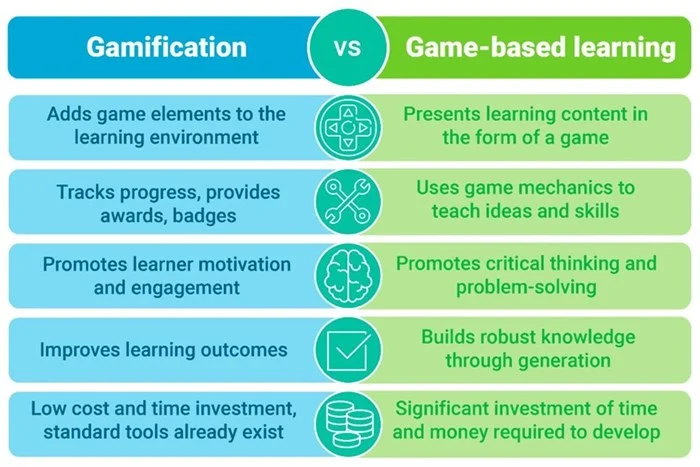
Game-based learning involves using educational games as a central component of the learning experience, where gameplay drives the learning process. In contrast, gamification involves integrating game elements, such as rewards and badges, into non-game contexts to increase engagement. - Is game-based learning suitable for all age groups?
Game-based learning can be adapted for learners of all age groups, from early childhood to adulthood. The key is to select games that align with the learners’ cognitive abilities and learning objectives. - Does game-based learning replace traditional teaching methods?
Game-based learning complements traditional teaching methods and should be used as one of several instructional strategies. Integrating games into the curriculum enhances engagement and understanding while promoting active learning. - What are some examples of non-digital educational games?
Non-digital educational games can include board games, card games, and hands-on activities that require problem-solving and critical thinking. - How can educators assess learning outcomes in game-based learning?
Educators can assess learning outcomes in game-based learning by analyzing student performance within the game, observing problem-solving abilities, and using traditional assessments to measure conceptual understanding. - Are there any drawbacks to game-based learning?
While game-based learning offers numerous benefits, potential drawbacks include the need for access to technology, concerns about screen time, and the challenge of aligning games with specific learning objectives.
Conclusion
Game-based learning in the digital age has the potential to revolutionize education by engaging students in active and immersive learning experiences. Educational games combine play and learning, fostering increased engagement, motivation, and critical thinking skills. Implementing game-based learning effectively requires careful planning and alignment with learning objectives. By addressing challenges and leveraging success stories, educators can harness the power of game-based learning to create a more dynamic and effective learning environment for the digital generation. Embracing educational games as a valuable tool in the modern classroom empowers students to learn, explore, and grow in an interactive and enjoyable way. Game-based learning in the digital age is shaping the future of education and empowering the next generation of learners.




Trackbacks/Pingbacks