














Emotional Intelligence: Enhancing Social Skills and Empathy for Meaningful Relationships

Introduction
In today’s fast-paced and interconnected world, the ability to build and maintain meaningful relationships is more critical than ever. While technical skills are essential, EI emerges as a vital factor that determines success in personal and professional settings. EI encompasses a range of skills, including empathy, self-awareness, self-regulation, and effective communication.
This comprehensive article delves into the fascinating world of emotional intelligence, exploring its significance in nurturing social skills and empathy. By understanding and improving EI, individuals can strengthen their interpersonal relationships, cultivate empathy, and create deeper connections with others.
Emotional Intelligence: A Primer
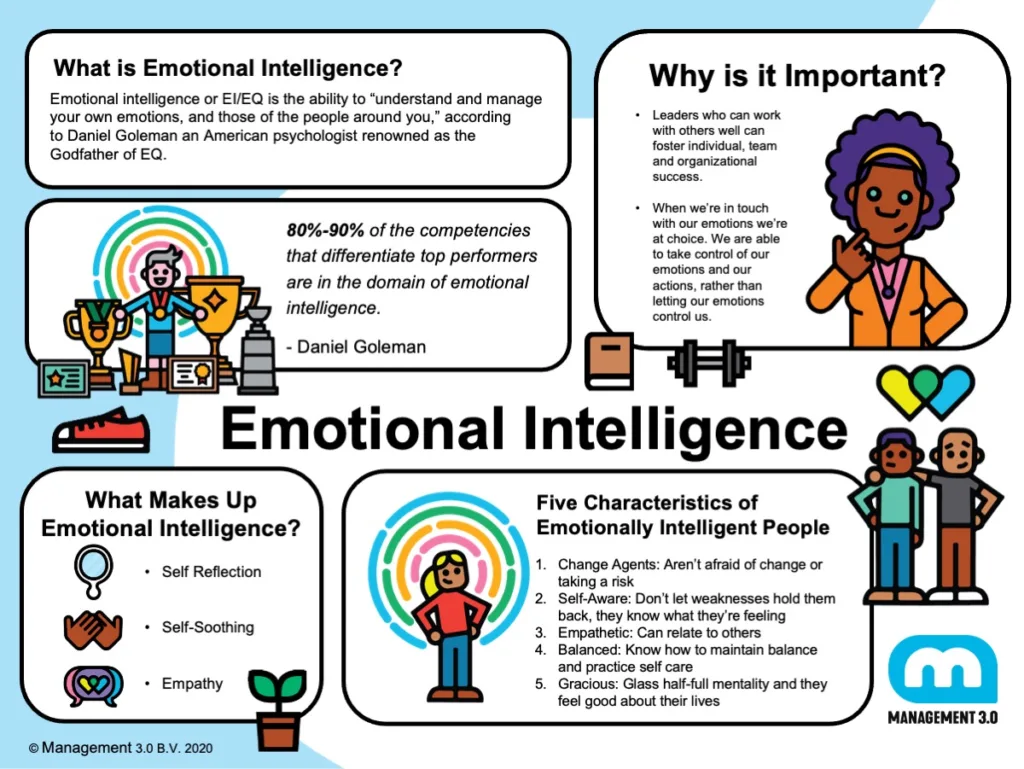
EI is a multifaceted concept that has gained significant attention in the fields of psychology, education, and business. Coined by psychologists Peter Salovey and John D. Mayer in the early 1990s, EI refers to the ability to recognize, understand, and manage emotions in oneself and others. It plays a crucial role in shaping how individuals perceive and express emotions, form interpersonal connections, and navigate various social situations.
Understanding the Components of Emotional Intelligence
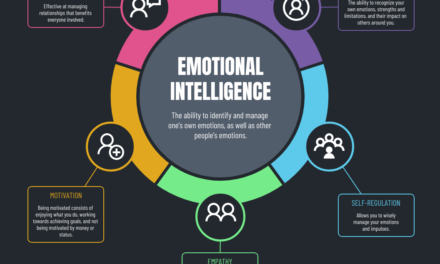
Daniel Goleman, an acclaimed psychologist and science journalist, popularized the concept of EI in his 1995 book, “Emotional Intelligence: Why It Can Matter More Than IQ.” He identified five core components that constitute EI:
- Self-Awareness: At the heart of EI lies self-awareness—the capacity to recognize and understand one’s own emotions and how they impact thoughts and behaviors. Self-aware individuals can accurately assess their strengths, weaknesses, and emotional triggers, leading to better self-control and decision-making.
- Self-Regulation: Building upon self-awareness, self-regulation refers to the ability to manage and control one’s emotions effectively. Emotionally intelligent individuals can navigate challenging situations with composure, avoiding impulsive reactions. This skill also involves adaptability and resilience in the face of adversity.
- Motivation: Emotionally intelligent individuals are driven by intrinsic motivation, deriving satisfaction from personal achievements and growth rather than external rewards. This intrinsic drive helps them set and pursue meaningful goals, maintaining a positive outlook even in challenging circumstances.
- Empathy: Empathy is a foundational pillar of EI, enabling individuals to understand and share the emotions of others. It involves actively listening to other’s perspectives, demonstrating compassion, and showing genuine interest in their feelings and experiences. Empathy fosters stronger connections, trust, and support in relationships.
- Social Skills: Effective social skills are vital for navigating interpersonal interactions and forming meaningful relationships. Emotionally intelligent individuals excel in communication, conflict resolution, and collaboration. They can build rapport, manage conflicts constructively, and inspire and motivate others.
The Science Behind Emotional Intelligence
Researchers have explored the neurological basis of emotional intelligence, revealing that the brain areas responsible for processing emotions overlap with those involved in cognitive functions. The limbic system, especially the amygdala, plays a central role in processing emotions, while the prefrontal cortex is crucial for regulating and integrating emotional responses with cognitive processes.
Studies have shown that individuals with well-developed EI exhibit more significant activity in the prefrontal cortex, leading to enhanced emotional regulation and decision-making. This suggests that it is not solely an innate trait but can be nurtured and strengthened through intentional effort and practice.
The Impact of Emotional Intelligence on Relationships
Emotional intelligence profoundly influences the quality of interpersonal relationships. Individuals with higher EI tend to have healthier and more satisfying relationships with family members, friends, and colleagues. Their ability to understand and respond to others’ emotions fosters empathy, trust, and effective communication, leading to deeper connections and reduced conflicts.
In romantic relationships, EI can be particularly vital. Partners with strong it can communicate openly, empathize with each other’s feelings, and manage conflicts constructively. This fosters intimacy, emotional support, and a sense of security within the relationship.
Check out: Journaling: Can Improve Mental Clarity and Emotional Resilience
Emotional Intelligence in Education and the Workplace
The relevance of it extends beyond personal relationships. In the education sector, educators recognize the importance of it fostering students’ emotional well-being, resilience, and social skills. Integrating EI education into the curriculum can equip students with essential life skills and positively impact their academic performance and overall development.
In the workplace, EI is increasingly recognized as a crucial factor for effective leadership and team dynamics. Leaders with high emotional intelligence can inspire and motivate their teams, adapt to diverse work environments, and handle stress with grace. Furthermore, it enhances team collaboration, communication, and conflict resolution, leading to improved productivity and job satisfaction.
Enhancing Emotional Intelligence
While some individuals may naturally possess higher it, everyone has the capacity to enhance and develop this critical skill set. Here are some strategies to improve EI:
- Engage in self-reflection and self-awareness exercises to better understand emotions and triggers.
- Practice mindfulness and meditation to cultivate emotional self-regulation and reduce stress.
- Seek feedback from others to gain insights into emotional blind spots and areas for improvement.
- Develop active listening skills to understand and empathize with others’ emotions.
- Engage in role-playing and social skills training to enhance communication and relationship-building abilities.
Enhancing Emotional Intelligence for Meaningful Relationships
Emotional intelligence (EI) is a crucial factor in developing meaningful relationships with others. By understanding and managing our emotions effectively, we can create deeper connections and foster empathy and understanding. This section explores various strategies and techniques to enhance emotional intelligence and promote meaningful relationships.
1. Cultivating Self-Awareness
Self-awareness is the cornerstone of EI. It involves recognizing and understanding our emotions, strengths, weaknesses, and values. By becoming more self-aware, we can gain insights into our emotional triggers and patterns of behavior. Mindfulness meditation is an effective practice that can help us become more attuned to our emotions and thoughts. Taking time for self-reflection and journaling can also aid in developing self-awareness.
2. Nurturing Self-Regulation
While emotions are a natural part of the human experience, how we respond to them is within our control. Self-regulation involves managing our emotions effectively, especially during challenging situations. When faced with stress or frustration, taking deep breaths and giving ourselves a moment to cool down can prevent impulsive reactions. Seeking support from trusted individuals and practicing relaxation techniques can also contribute to self-regulation.
3. Harnessing Intrinsic Motivation
Intrinsic motivation, driven by passion and purpose, plays a vital role in EI. When we are intrinsically motivated, we find fulfillment in the process of pursuing our goals, rather than solely focusing on the end result. Cultivating a growth mindset, where challenges are seen as opportunities for learning and growth, can boost intrinsic motivation. Setting meaningful and achievable goals aligned with our values can also enhance our motivation.
4. Developing Empathy
Empathy is the ability to understand and share the emotions and perspectives of others. It is a critical skill in nurturing meaningful relationships, as it fosters trust and connection. Active listening is a fundamental aspect of empathy. When we listen attentively to others without judgment, we validate their experiences and feelings. Putting ourselves in others’ shoes and considering their point of view can also deepen our empathy.
5. Mastering Social Skills
Social skills encompass effective communication, conflict resolution, and relationship-building. Developing these skills is essential for forming and maintaining meaningful connections with others. Active listening, where we give our full attention to the speaker and seek to understand their message, is a key component of effective communication. Assertiveness is another crucial aspect of social skills, as it allows us to express our needs and boundaries respectfully. Recognizing and respecting diverse perspectives also contributes to building positive relationships.
6. Practicing Emotional Intelligence in Daily Interactions
Enhancing emotional intelligence is not a one-time task but an ongoing process. Integrating EI into our daily interactions can lead to significant improvements in our relationships. By applying self-awareness and self-regulation techniques, we can respond to situations more thoughtfully and avoid emotional outbursts. Practicing empathy in our interactions with others can foster understanding and compassion. Additionally, refining our social skills can help us navigate social situations more smoothly and build rapport with others.
7. Seeking Feedback and Continuous Growth
Seeking feedback from others can provide valuable insights into our emotional intelligence and areas for improvement. Trusted friends, family members, or mentors can offer constructive feedback that can help us become more aware of our emotional strengths and weaknesses. Embracing a growth mindset, where we view challenges as opportunities to learn and develop, allows us to approach emotional intelligence as an evolving skill.
8. Cultivating Emotional Intelligence in Relationships
Emotional intelligence is not just about how we interact with ourselves but also how we engage with others. In relationships, practicing involves being attuned to the emotions and needs of our partners or friends. By actively listening to their concerns and showing empathy, we create an environment of trust and understanding. Communicating our emotions and needs effectively and respecting boundaries are vital components of emotionally intelligent relationships.
In conclusion, enhancing is a transformative journey that can lead to more meaningful and fulfilling relationships. By cultivating self-awareness, self-regulation, empathy, and social skills, we become better equipped to navigate the complexities of human connections. Intentionally incorporating it into our daily interactions empowers us to create deeper and more harmonious relationships with others. As we continuously seek growth and understanding, it becomes an invaluable asset in all areas of our lives.
Check out: The Journey to Self-Discovery: Embracing Personal Growth and Finding Purpose
The Impact of Emotional Intelligence in Professional Settings
In the fast-paced and competitive world of work, technical skills alone are no longer sufficient for success. Employers increasingly value EI as a critical factor in fostering a positive and productive work environment. Individuals with high it not only excel in their own roles but also contribute significantly to the success of their teams and organizations. Let’s explore the profound impact of it in professional settings and how it shapes the dynamics of the workplace.
Understanding Emotional Intelligence in the Workplace
EI in the workplace refers to the ability to recognize, understand, and manage one’s own emotions and those of others effectively. It encompasses a range of skills, including empathy, self-regulation, social awareness, and relationship management. These skills are particularly crucial in a professional setting, where interactions with colleagues, clients, and stakeholders influence productivity, collaboration, and overall job satisfaction.
Emotional Intelligence and Leadership
Leaders with high it is often regarded as transformational leaders who inspire and motivate their teams to achieve exceptional results. They possess a deep understanding of their team members’ emotions and can effectively guide them through challenges while nurturing a positive work culture. Emotionally intelligent leaders prioritize open communication, actively listen to feedback, and make decisions that consider the well-being of their team members.
Conflict Resolution and Emotional Intelligence
Conflicts are a natural part of any workplace, but how they are handled can significantly impact team dynamics and morale. Emotionally intelligent individuals are skilled at conflict resolution, approaching disagreements with empathy and a focus on finding mutually beneficial solutions. Rather than letting conflicts escalate, they engage in constructive dialogue and seek common ground, fostering a more harmonious work environment.
Building Trust and Collaboration
Trust is the foundation of successful teamwork and collaboration. Emotionally intelligent individuals are adept at building trust with their colleagues by being reliable, empathetic, and transparent in their interactions. They create a safe space for open communication and encourage diverse perspectives, leading to more effective problem-solving and innovative ideas.
Emotional Intelligence and Customer Relations
In customer-facing roles, it plays a crucial role in delivering exceptional service and maintaining strong client relationships. Emotionally intelligent professionals can understand and address customer needs, even in challenging situations. Their ability to empathize with customers’ emotions helps in providing personalized and attentive service, leading to higher customer satisfaction and loyalty.
Stress Management and Resilience
The modern workplace often comes with high-pressure situations and demanding deadlines. Emotionally intelligent individuals are better equipped to manage stress and maintain resilience during challenging times. By recognizing their emotions and implementing coping strategies, they can stay focused, make sound decisions, and avoid burnout.
Emotional Intelligence Training in Organizations
Recognizing the significance of it in workplace dynamics, many organizations invest in training programs to enhance EI among their employees. These programs often include workshops, coaching sessions, and assessments that help individuals identify their strengths and areas for improvement. By promoting it throughout the organization, companies can create a more supportive and productive work culture.
Measuring Emotional Intelligence in Hiring and Development
EI assessments have become increasingly common in the hiring and development process. Employers recognize that technical skills can be taught, but it is a critical trait that drives teamwork, leadership, and adaptability. Integrating EI assessments into recruitment and performance evaluations helps organizations identify candidates and employees who can thrive in their roles and contribute positively to the workplace.
The Future of Emotional Intelligence in the Workplace
As workplaces evolve and become more diverse, it will continue to be a key differentiator in individual and organizational success. Employers will increasingly prioritize it in their hiring and talent development strategies, recognizing its potential to drive employee engagement, retention, and overall business outcomes.
FAQs about Emotional Intelligence
1. What are the benefits of emotional intelligence in relationships?
It enhances understanding, empathy, and communication, leading to more meaningful and harmonious relationships.
2. Can emotional intelligence be learned?
Yes, it is a set of skills that can be developed through practice and self-awareness.
3. How does emotional intelligence impact workplace performance?
Emotional intelligence positively influences teamwork, leadership, and conflict resolution, contributing to improved workplace productivity and job satisfaction.
4. Are there different types of emotional intelligence?
There are various models of it, but the five-component model proposed by Daniel Goleman is widely recognized.
5. Can emotional intelligence be measured?
Several psychometric tests assess it, providing insights into individual strengths and areas for improvement.
6. How can I improve my emotional intelligence?
Engaging in self-awareness exercises, seeking feedback from others, and practicing empathy are effective ways to enhance it.
Conclusion
EI serves as a powerful tool in building and nurturing meaningful relationships, both in personal and professional settings. By developing self-awareness, self-regulation, empathy, and social skills, individuals can foster stronger connections with others, leading to a more fulfilling and harmonious life. Embracing it as an essential aspect of personal growth empowers individuals to create a positive impact on their relationships and overall well-being.






Trackbacks/Pingbacks