


















Data Analytics: Leveraging Big Data for Innovation

Introduction
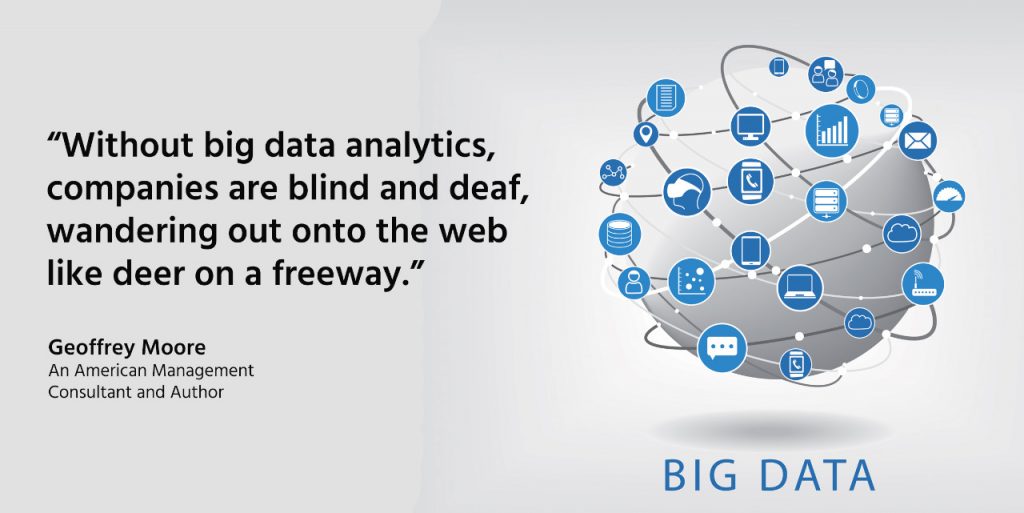
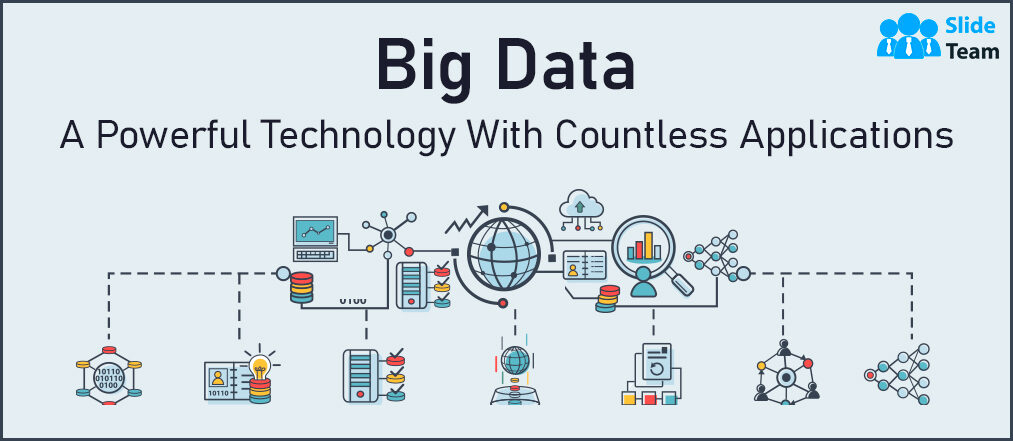
In today’s digital age, data is generated at an unprecedented scale. Every online transaction, social media interaction, and IoT device contributes to the vast amount of data known as big data. Harnessing the power of this through advanced analytics techniques can provide businesses with valuable insights, enabling them to make informed decisions, drive growth, and foster innovation.
This comprehensive article delves into the realm of analytics and its significance in business. We will explore the benefits of leveraging big data, the challenges associated with data analytics, and strategies to effectively utilize data-driven insights for business growth and innovation.
Leveraging Big Data for Business Growth and Innovation
Understanding Data Analytics
What is data analytics and why is it important for businesses?
Data analytics refers to the process of examining raw data to uncover patterns, draw conclusions, and gain insights that can drive decision-making. It involves various techniques, such as statistical analysis, data mining, predictive modeling, and machine learning, to extract meaningful information from large datasets.
For businesses, analytics holds immense importance as it enables them to make evidence-based decisions, optimize operations, and uncover valuable opportunities. By transforming raw data into actionable insights, businesses can gain a competitive edge, enhance customer experiences, and drive growth.
Check out: The Power of WordPress: Building and Customizing Websites
The Benefits of Leveraging Big Data
Enhanced Decision-Making
Data analytics empowers businesses to make informed decisions by providing them with accurate and timely insights. By analyzing customer behavior, market trends, and operational metrics, businesses can identify patterns and make data-driven decisions that are aligned with their goals and objectives.
Improved Operational Efficiency
By leveraging big data analytics, businesses can optimize their operational processes. Through predictive analytics, businesses can identify potential bottlenecks, streamline workflows, and allocate resources more effectively. This results in improved efficiency, cost savings, and enhanced productivity.
Enhanced Customer Experiences
Data analytics enables businesses to gain a deeper understanding of their customers. By analyzing customer data, businesses can personalize their marketing efforts, tailor products and services to meet specific needs and deliver personalized experiences. This level of personalization enhances customer satisfaction, loyalty, and retention.
Identifying New Business Opportunities
Big data analytics allows businesses to uncover new business opportunities. By analyzing market trends, consumer preferences, and competitor insights, businesses can identify untapped markets, emerging trends, and potential areas for innovation. This helps businesses stay ahead of the curve and seize new growth opportunities.
Check out: Website Design Fundamentals: Creating User-Centric and Visually Stunning Websites
The Challenges of Data Analytics
Data Quality and Reliability
One of the primary challenges in analytics is ensuring the quality and reliability of the data being analyzed. Big data often comes from various sources, and inconsistencies, errors, or biases in the data can lead to inaccurate insights. Businesses must invest in quality management and validation processes to ensure the reliability of their analytics results.
Data Privacy and Security
As businesses collect and analyze large amounts of data, data privacy, and security become critical concerns. Safeguarding customer data and complying with data protection regulations is essential to maintain trust and protect sensitive information. Businesses must implement robust security measures, including encryption, access controls, and secure data storage.
Scalability and Infrastructure
Processing and analyzing big data require powerful computing infrastructure and scalable systems. Handling large volumes of data in real time can strain existing IT infrastructure. Businesses need to invest in scalable cloud-based solutions and advanced analytics platforms to efficiently handle and process big data.
Strategies for Leveraging Data Analytics
Establish Clear Goals and Objectives
Before embarking on a data analytics journey, businesses should define clear goals and objectives. What insights are they seeking? What business problems are they trying to solve? By aligning data analytics initiatives with strategic objectives, businesses can ensure that their efforts are focused and impactful.
Invest in Data Governance and Management
Effective data governance and management practices are essential for successful data analytics. This involves establishing data quality standards, implementing data governance frameworks, and ensuring data accuracy, consistency, and integrity. By having a solid foundation of data governance, businesses can trust the insights derived from their data analytics efforts.
Leverage Advanced Analytics Techniques
To extract valuable insights from big data, businesses should explore advanced analytics techniques. Machine learning, predictive modeling, and natural language processing are some of the techniques that can help uncover complex patterns and trends. By leveraging these techniques, businesses can gain deeper insights and make more accurate predictions.
Foster a Data-Driven Culture
In today’s data-driven world, businesses that embrace a data-driven culture are better positioned to succeed and thrive. Foster a Data-Driven Culture refers to the process of creating an environment within an organization where data is valued, utilized, and integrated into decision-making processes at all levels. It involves encouraging employees to rely on data-driven insights and promoting the use of analytics tools and techniques to drive business growth and innovation.
The Importance of a Data-Driven Culture
Fostering a data-driven culture is essential for businesses seeking to leverage the power of data analytics. Here are some key reasons why it is crucial:
- Informed Decision-Making: A data-driven culture ensures that decisions are based on evidence and insights derived from data analysis. By utilizing data to inform decision-making, businesses can minimize reliance on intuition or subjective opinions, leading to more accurate and informed choices.
- Competitive Advantage: In today’s competitive landscape, businesses that can effectively harness the power of analytics gain a significant advantage. A data-driven culture enables organizations to stay ahead of the curve, identify emerging trends, anticipate customer needs, and make proactive strategic decisions.
- Improved Operational Efficiency: When data becomes a central part of an organization’s DNA, it allows for continuous monitoring and optimization of operational processes. By analyzing operational data, businesses can identify bottlenecks, streamline workflows, and make data-driven adjustments that lead to increased efficiency and cost savings.
- Customer-Centricity: Data-driven insights enable businesses to understand their customers better. By analyzing customer data, businesses can identify patterns, preferences, and trends, leading to the delivery of personalized experiences and enhanced customer satisfaction. A data-driven culture helps organizations prioritize the needs and preferences of their customers.
- Innovation and Agility: Data-driven organizations are better positioned to drive innovation. By analyzing market trends, customer feedback, and competitive intelligence, businesses can identify new opportunities for product development, service enhancements, and process improvements. A data-driven culture encourages experimentation, risk-taking, and agility in responding to market dynamics.
Building a Data-Driven Culture
Building a data-driven culture requires a systematic and comprehensive approach. Here are some key steps to foster a data-driven culture within an organization:
- Leadership Support: Leadership buy-in is crucial for creating a data-driven culture. Executives and managers must actively promote the use of data analytics, set an example by relying on insights, and allocate resources for data-related initiatives.
- Data Literacy and Training: To foster a data-driven culture, organizations must invest in data literacy training programs for employees at all levels. This includes providing training on data analysis tools, statistical concepts, and data visualization techniques. Employees should be empowered to interpret and draw insights from data.
- Accessibility and Transparency: It is important to provide employees with easy access to relevant data and analytics tools. Data should be transparent, easily understandable, and available in user-friendly formats. This encourages employees to explore and utilize data in their day-to-day decision-making processes.
- Collaboration and Knowledge Sharing: Creating a data-driven culture involves breaking down silos and promoting cross-functional collaboration. Encouraging collaboration between teams and departments facilitates the sharing of insights, best practices, and data-driven success stories, fostering a collective commitment to data-driven decision-making.
- Recognition and Rewards: Acknowledging and rewarding employees who embrace data-driven practices can reinforce the importance of a data-driven culture. Recognize individuals or teams who demonstrate exceptional use of data analytics to drive positive outcomes, and celebrate data-driven achievements throughout the organization.
- Continuous Improvement: Building a data-driven culture is an ongoing process. Organizations should regularly review and refine their data analytics strategies, assess the effectiveness of data-driven initiatives, and seek feedback from employees. Embrace a continuous improvement mindset to adapt to evolving technologies and analytics practices.
- While fostering a data-driven culture offers numerous benefits, it is not without its challenges. Here are some common challenges and strategies to overcome them:
- Resistance to Change: Employees may resist adopting a data-driven culture due to fear of change or lack of familiarity with analytics. Address this challenge by providing comprehensive training, emphasizing the benefits of data-driven decision-making, and showcasing success stories.
- Data Silos: Data silos can hinder the adoption of a data-driven culture. Break down silos by integrating data from various sources, implementing data governance frameworks, and promoting collaboration and knowledge sharing across departments.
- Data Quality and Integrity: Inaccurate or incomplete data can undermine the credibility of data-driven insights. Ensure data quality by implementing data validation processes, establishing data quality standards, and investing in data governance practices.
- Lack of Analytics Infrastructure: Inadequate analytics infrastructure can impede the adoption of a data-driven culture. Invest in advanced analytics tools, cloud-based platforms, and scalable infrastructure to support analytics initiatives.
Collaborate and Partner with Experts
In the rapidly evolving landscape of analytics, collaboration, and partnerships with experts play a crucial role in unlocking the full potential of big data for business growth and innovation. By collaborating with data analytics experts, businesses can gain valuable insights, access specialized knowledge, and leverage cutting-edge technologies that may otherwise be challenging to developing houses. This section delves deeper into the benefits and strategies of collaborating and partnering with experts in the field of data analytics.
The Benefits of Collaboration
Collaborating with analytics experts offers numerous advantages for businesses seeking to harness the power of big data:
Access to Specialized Knowledge and Skills
Data analytics is a complex field that requires expertise in statistics, programming, machine learning, and domain-specific knowledge. Collaborating with experts allows businesses to tap into the specialized knowledge and skills possessed by these professionals. Data scientists and analysts can bring advanced statistical techniques, predictive modeling capabilities, and industry-specific insights to the table. This enables businesses to derive more accurate and meaningful insights from their data, leading to better decision-making and improved business outcomes.
Leveraging Cutting-edge Technologies and Tools
Data analytics is constantly evolving, with new technologies and tools emerging at a rapid pace. By collaborating with experts, businesses gain access to the latest tools and technologies that can significantly enhance their analytics capabilities. Experts stay up-to-date with the latest advancements in the field and can recommend and implement state-of-the-art analytics platforms, software, and frameworks. This ensures that businesses have the most advanced resources at their disposal to handle large datasets, perform complex analyses, and derive actionable insights.
Accelerating Time-to-Value
Implementing data analytics initiatives in-house can be time-consuming and resource-intensive. By partnering with experts, businesses can accelerate their time-to-value. Experts possess a wealth of experience in implementing analytics projects and have a deep understanding of best practices and potential pitfalls. They can guide businesses through the entire data analytics process, from preparation and modeling to analysis and interpretation. This not only speeds up the implementation process but also ensures that businesses can start deriving valuable insights and achieving tangible results more quickly.
Objective Perspective and Validation
Collaborating with external experts provides a fresh and objective perspective on data analytics initiatives. Experts can challenge assumptions, identify blind spots, and offer alternative viewpoints that may have been overlooked internally. This external validation can help businesses refine their analytics strategies, improve the accuracy of their insights, and ensure that they are on the right track to achieve their goals. Having an objective perspective is particularly valuable when it comes to validating the reliability and relevance of analytics models, ensuring that businesses can have confidence in the insights derived from their data.
Strategies for Effective Collaboration
To maximize the benefits of collaboration with analytics experts, businesses should consider the following strategies:
Clearly Define Goals and Expectations
Before entering into collaboration, it is crucial to clearly define the goals, objectives, and expectations of both parties. Businesses should communicate their specific data analytics needs, desired outcomes, and any constraints they may have. This ensures that both the business and the experts are aligned in terms of objectives and can work towards a shared vision.
Choose the Right Expertise and Fit
Selecting the right expert or partner is essential for a successful collaboration. Businesses should assess the expertise, experience, and track record of potential collaborators to ensure they have the necessary skills and knowledge. Additionally, it is important to consider the cultural fit between the business and the experts to ensure effective communication, collaboration and shared values.
Foster Open Communication and Collaboration
Successful collaborations are built on open and transparent communication. Regular meetings, status updates, and progress reports enable effective collaboration between the business and the experts. Businesses should encourage an open exchange of ideas, listen to the insights and recommendations of the experts, and provide feedback to ensure that the collaboration is fruitful and aligned with the business’s objectives.
Define Roles and Responsibilities
Clearly defining roles and responsibilities is crucial to avoid misunderstandings and ensure accountability. Establishing who is responsible for each aspect of the collaboration helps streamline the workflow and ensures that both parties understand their respective contributions. This clarity of roles and responsibilities facilitates efficient collaboration and prevents potential conflicts or gaps in execution.
Maintain a Long-term Partnership
Data analytics is an ongoing process, and collaboration with experts should be seen as a long-term partnership. Regularly reviewing and evaluating the collaboration’s progress, results, and impact allows both the business and the experts to continuously improve and adapt their approach. This long-term partnership helps businesses stay ahead of the competition, navigate evolving data analytics trends, and drive continuous innovation.
FAQs about Data Analytics
1. What is data analytics?
Data analytics refers to the process of examining raw information to uncover patterns, draw conclusions, and gain insights that can drive decision-making.
2. How can businesses benefit from leveraging big data analytics?
Leveraging big data analytics enables businesses to enhance decision-making, improve operational efficiency, enhance customer experiences, and identify new business opportunities.
3. What are the challenges of data analytics?
Challenges in data analytics include ensuring quality and reliability, addressing data privacy and security concerns, and scaling infrastructure to handle large volumes of data.
4. How can businesses effectively leverage data analytics?
Businesses can effectively leverage data analytics by establishing clear goals, investing in data governance and management, leveraging advanced analytics techniques, fostering a data-driven culture, and collaborating with data analytics experts.
5. How can businesses ensure data privacy and security in data analytics?
To ensure data privacy and security, businesses should implement robust security measures, comply with data protection regulations, and invest in secure data storage and access controls.
6. What role does data governance play in data analytics?
Data governance ensures data quality, consistency, and integrity, providing a solid foundation for accurate and reliable data analytics insights.
Conclusion
In conclusion, the power of analytics and the utilization of big data offers immense potential for business growth and innovation. By leveraging data-driven insights, businesses can enhance decision-making, improve operational efficiency, deliver personalized customer experiences, and uncover new opportunities. However, businesses must also navigate challenges such as data quality, privacy, and infrastructure scalability. By adopting the right strategies, investing in governance, and fostering a data-driven culture, businesses can harness the power of data analytics to gain a competitive edge and drive success in the digital era.




Trackbacks/Pingbacks