
















Building Resilience in Professional Life

Resilience is a valuable skill in all areas of life, and the professional realm is no exception. In the fast-paced and often unpredictable world of work, individuals who possess resilience can navigate challenges with greater ease, maintain a positive outlook, and continue to thrive even in the face of adversity. Building resilience in the professional sphere involves a combination of mindset, skills, and strategies that empower individuals to adapt to change, manage stress, and maintain their well-being while pursuing their career goals. In this section, we will explore various aspects of building resilience in the workplace and how it contributes to a fulfilling and successful career.
Developing Resilience at Work: Thriving in a Dynamic Environment
In today’s fast-paced and ever-changing work landscape, the ability to develop resilience is a critical skill for employees at all levels. The professional world is marked by constant shifts, challenging situations, and unexpected obstacles. Developing resilience at work equips individuals with the mental and emotional fortitude to navigate this dynamic environment with confidence, adaptability, and a positive mindset. Resilience empowers employees to face challenges head-on, bounce back from setbacks, and continue moving forward with determination.
Embracing a Growth Mindset
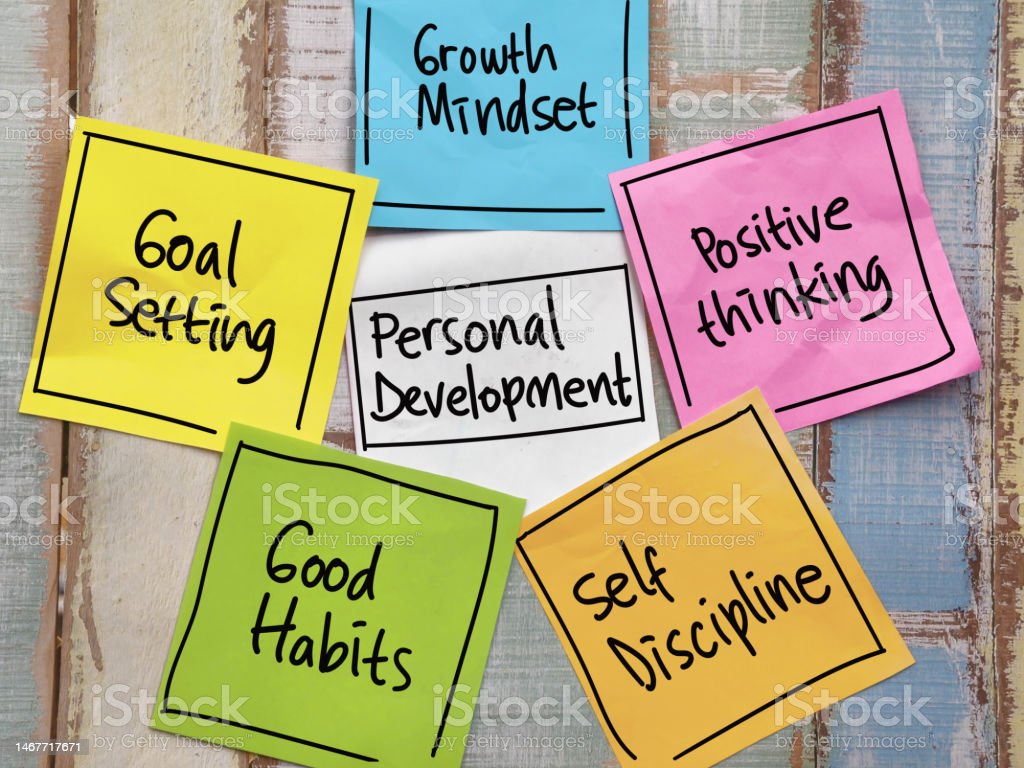
At the core of developing resilience is embracing a growth mindset. A growth mindset is a belief that abilities and skills can be cultivated through effort, learning, and dedication. Resilient individuals view challenges as opportunities for growth and improvement rather than as insurmountable roadblocks. They are open to learning from experiences, whether positive or negative, and actively seek opportunities to expand their skill set.
In a dynamic work environment, employees encounter diverse tasks and projects that may be outside their comfort zone. Resilience enables them to approach these tasks with a positive attitude, viewing them as chances to acquire new skills and develop professionally. A growth mindset encourages individuals to take risks, experiment, and learn from both successes and failures.
Building Adaptability and Flexibility
Change is a constant in the modern workplace, with technology advancements, market fluctuations, and organizational shifts being the norm. Developing resilience involves building adaptability and flexibility to thrive in such an environment.
Resilient employees are agile and can quickly adjust to new circumstances. They embrace change as an opportunity for growth and transformation, rather than resisting it out of fear or uncertainty. When faced with unexpected challenges, they remain composed and solution-oriented, seeking creative ways to navigate through complexities.
By being adaptable, employees can seize opportunities that arise, even if they require stepping outside their comfort zone. Resilience allows them to pivot when necessary, aligning their skills with evolving demands.
Nurturing Problem-Solving Skills
Problem-solving is a crucial component of resilience at work. Resilient individuals possess strong problem-solving skills, enabling them to tackle challenges in a systematic and efficient manner.
When confronted with obstacles, they assess the situation, break it down into manageable parts, and identify potential solutions. They are proactive in seeking assistance when needed and collaborate effectively with colleagues to find the best path forward.
Problem-solving skills empower employees to address challenges before they escalate, preventing undue stress and strain. It also fosters a sense of agency and control, knowing that they can take effective action in the face of difficulties.
Managing Stress and Building Emotional Intelligence
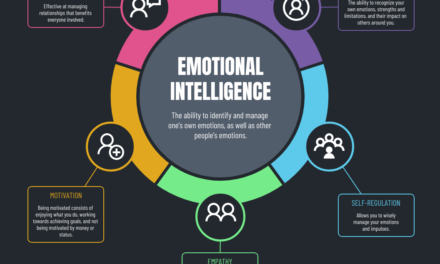
In a dynamic work environment, stress is a common companion. Developing resilience involves effectively managing stress and building emotional intelligence to maintain well-being and performance.
Resilient employees are self-aware, recognizing their emotions and stress triggers. They practice emotional regulation, staying composed under pressure, and managing their responses to challenging situations. They are skilled at managing their time and energy to prevent burnout and maintain work-life balance.
Emotional intelligence also extends to understanding and empathizing with the emotions of colleagues and team members. Resilient individuals offer support and encouragement to others, contributing to a positive and cohesive work environment.
Cultivating a Positive Mindset
A positive mindset is a powerful tool for developing resilience at work. Resilient individuals maintain optimism, even in the face of adversity. They focus on what they can control and take affirmative action to address challenges.
Positivity not only improves an individual’s outlook but also impacts team dynamics. Resilient employees contribute to a culture of encouragement and motivation, inspiring their colleagues to persevere through difficult times.
Cultivating a positive mindset involves reframing negative thoughts, celebrating accomplishments, and finding meaning in setbacks. This approach allows employees to maintain enthusiasm and determination, contributing to their overall resilience.
Check out: The Basics of Personal Finance: Mastering Budgeting and Saving
Effective Time Management: Balancing Priorities for Resilience
In today’s fast-paced and demanding work environments, time management is a critical skill that plays a central role in an individual’s resilience and overall well-being. Effective time management involves the ability to prioritize tasks, allocate time wisely, and strike a balance between professional responsibilities and personal life. It enables individuals to navigate through their daily routines with efficiency, reduce stress, and maintain a sense of control over their workloads. In this section, we delve into the importance of effective time management and explore practical strategies to balance priorities for increased resilience in professional life.
Understanding the Significance of Time Management
Time is a finite and invaluable resource, and how individuals manage it directly impacts their productivity, work satisfaction, and ability to cope with challenges. Effective time management allows individuals to make the most of their working hours, accomplishing tasks in a focused and efficient manner. Moreover, it creates space for self-care, personal pursuits, and maintaining a healthy work-life balance. When individuals master time management, they can dedicate ample time to essential activities while avoiding burnout and feelings of overwhelm.
The Link Between Time Management and Resilience
Resilience in professional life involves bouncing back from setbacks, adapting to change, and maintaining a positive outlook despite challenges. Time management significantly influences an individual’s resilience by providing the structure and organization necessary to handle various work-related demands. Here’s how effective time management contributes to resilience:
1. Stress Reduction
One of the primary benefits of effective time management is stress reduction. When individuals plan and structure their workdays, they can avoid last-minute rushes and deadline pressures. Proactively managing tasks reduces the likelihood of feeling overwhelmed and anxious, enabling individuals to approach challenges with a calmer and more composed mindset.
2. Improved Focus and Productivity
Time management techniques, such as time-blocking and prioritization, enhance focus and productivity. By allocating specific time slots for different tasks, individuals can concentrate on one activity at a time without distractions. This focused approach allows for deeper engagement with tasks, leading to higher-quality outputs and a sense of accomplishment.
3. Flexibility and Adaptability
Resilient individuals are adaptable and can adjust to unforeseen circumstances. Effective time management provides a buffer for unexpected events by creating a schedule that accounts for potential disruptions. When changes occur, individuals can make necessary adjustments without derailing their entire workday.
4. Work-Life Balance
A well-balanced work-life equilibrium is essential for long-term resilience. Effective time management ensures that individuals dedicate sufficient time to work-related responsibilities while also setting aside time for personal activities, hobbies, and spending quality time with loved ones. Striking this balance reduces the risk of burnout and enhances overall well-being.
Strategies for Effective Time Management
Mastering time management requires adopting various strategies and techniques that align with individual work styles and preferences. The following strategies can help individuals balance priorities and cultivate resilience:
1. To-Do Lists and Prioritization
Creating daily or weekly to-do lists is an effective way to organize tasks and establish priorities. Break down larger projects into smaller, manageable tasks, and rank them based on their urgency and importance. Tackling high-priority tasks first ensures that critical responsibilities receive adequate attention.
2. Time-Blocking
Time-blocking involves allocating specific time slots for different tasks or types of work. By setting aside dedicated time for particular activities, individuals can avoid multitasking and maintain focus on one task at a time. Time-blocking also helps to establish boundaries between work and personal life.
3. Minimize Procrastination
Procrastination can hinder productivity and increase stress levels. To overcome procrastination, individuals can employ techniques such as the “Two-Minute Rule,” where any task that takes less than two minutes is completed immediately. Additionally, setting clear and achievable goals can provide motivation to start and complete tasks promptly.
4. Take Regular Breaks
While it may seem counterintuitive, taking regular breaks throughout the workday can enhance productivity and resilience. Short breaks allow individuals to recharge, refresh their minds, and return to tasks with renewed focus and energy.
5. Learn to Delegate
Delegating tasks to colleagues or team members can lighten individual workloads and foster a sense of collaboration. Delegating is particularly important for leaders who must balance their responsibilities with guiding and supporting their team members.
Communication and Conflict Resolution: Strengthening Professional Relationships
Effective communication and conflict resolution are essential skills for building and maintaining strong professional relationships. In the workplace, where diverse personalities, perspectives, and opinions converge, conflicts are bound to arise. Resilient individuals possess the ability to communicate assertively, listen actively, and resolve conflicts constructively, fostering a positive and productive work environment.
The Importance of Effective Communication
Clear and effective communication is the cornerstone of successful professional relationships. It involves expressing thoughts, ideas, and emotions in a manner that can be easily understood by others. Resilient individuals are adept at articulating their viewpoints while also being receptive to others’ perspectives.
Key Aspects of Effective Communication:
- Active Listening: Resilient individuals practice active listening, fully concentrating on what others are saying without interrupting. They demonstrate empathy and understanding, making colleagues and team members feel valued and heard.
- Clarity and Conciseness: Communicating with clarity and conciseness minimizes misunderstandings and confusion. Resilient professionals express their ideas succinctly, avoiding jargon or unnecessary complexity.
- Non-Verbal Communication: Non-verbal cues, such as body language and facial expressions, play a significant role in communication. Resilient individuals are mindful of their non-verbal signals and use them to enhance their message’s meaning.
- Respectful Tone: A respectful tone of voice contributes to positive communication. Even during disagreements, resilient individuals maintain a respectful and professional demeanor.
Check out: Credit Scores Unraveled: Understanding, Building, and Maintaining Good Credit
Conflict Resolution Strategies for Professional Growth
Conflicts are a natural part of any workplace, arising from differences in opinions, goals, or approaches. Resilient professionals embrace conflict as an opportunity for growth and use constructive strategies to resolve disagreements.
Effective Conflict Resolution Strategies:
- Identify the Issue: The first step in resolving conflicts is to identify the specific issue or problem at hand. Resilient individuals focus on the matter at hand without getting personal or emotional.
- Active Problem-Solving: Rather than dwelling on the conflict, resilient professionals focus on finding solutions. They engage in collaborative problem-solving discussions to reach mutually beneficial outcomes.
- Seek Mediation if Necessary: In more complex conflicts, seeking mediation from a neutral third party can be helpful. A mediator can facilitate communication and guide the parties toward resolution.
- Practice Empathy: Resilient individuals make an effort to understand the perspectives and emotions of others involved in the conflict. This empathetic approach fosters understanding and promotes compromise.
- Avoid Escalation: Engaging in heated arguments or personal attacks escalates conflicts and damages professional relationships. Resilient individuals remain composed and refrain from escalating tensions.
Building Trust through Effective Communication
Trust is the foundation of strong professional relationships. Resilient individuals understand that trust is earned through consistent and open communication.
Cultivating Trust:
- Honesty and Transparency: Resilient professionals value honesty and transparency in their interactions. They are upfront about their intentions and actions, fostering an environment of trust.
- Reliability: Being reliable and delivering on commitments strengthens trust. Resilient individuals follow through on their promises and meet expectations.
- Confidentiality: Respecting confidentiality is crucial for building trust in professional relationships. Resilient individuals honor confidentiality agreements and avoid sharing sensitive information without authorization.
- Accountability: Taking responsibility for mistakes and learning from them builds trust. Resilient professionals own up to their errors and work towards improvement.
The Role of Emotional Intelligence in Communication
Emotional intelligence plays a significant role in effective communication and conflict resolution. Resilient individuals possess high emotional intelligence, which enables them to understand and manage their emotions and the emotions of others.
Emotional Intelligence Skills:
- Self-Awareness: Resilient individuals are self-aware, understanding their emotions and how they influence their actions. This self-awareness allows them to communicate with greater empathy and authenticity.
- Empathy: Empathy is the ability to understand and share the feelings of others. Resilient professionals demonstrate empathy, which enhances communication and fosters trust.
- Emotion Regulation: Emotionally intelligent individuals can regulate their emotions, preventing impulsive reactions during conflicts. They remain composed and level-headed, contributing to productive discussions.
- Social Skills: Resilient individuals possess strong social skills, allowing them to communicate effectively with diverse individuals and navigate conflicts with tact and diplomacy.
Learning from Setbacks: Turning Failures into Growth Opportunities
Setbacks and failures are inevitable in any career journey. Resilient individuals perceive setbacks as opportunities for learning and growth rather than signs of inadequacy. They bounce back from disappointments with renewed determination and a willingness to try again.
To learn from setbacks and failures:
- Analyze the Experience: Reflect on the setback, identifying the factors that led to the outcome. Consider what could have been done differently and what valuable lessons can be gained.
- Focus on Solutions: Instead of dwelling on the failure itself, concentrate on finding solutions and taking proactive steps to improve.
- Seek Support: Reach out to mentors, colleagues, or support networks for guidance and encouragement. Discussing challenges with others can provide valuable insights.
- Celebrate Progress: Acknowledge and celebrate small victories and milestones along the way. Recognize achievements, no matter how minor they may seem.
Building a Supportive Work Culture: Promoting Resilience and Well-Being
The work culture significantly influences employee well-being and resilience. A supportive work culture fosters an environment where individuals feel valued, motivated, and empowered to navigate challenges with confidence.
To promote a supportive work culture:
- Encourage Open Communication: Establish open channels of communication between employees and management. Encourage employees to voice their concerns and ideas.
- Recognize and Appreciate: Recognize employees’ contributions and efforts regularly. Genuine appreciation boosts morale and fosters a positive work environment.
- Offer Professional Development Opportunities: Provide opportunities for skill development and career growth. Employees who feel invested in are more likely to be resilient and committed to their work.
- Promote Work-Life Balance: Encourage work-life balance by offering flexible work arrangements and promoting well-being initiatives. A healthy work-life balance is essential for building resilience.
Conclusion
Building resilience in the professional sphere is crucial for thriving in a dynamic and challenging work environment. Resilient individuals embrace change, manage stress effectively, and maintain a positive outlook on their career journeys. By developing a growth mindset, honing time management skills, improving communication, learning from setbacks, and fostering a supportive work culture, individuals can cultivate resilience and navigate their careers with confidence and determination. Resilience empowers individuals to face obstacles head-on, bounce back from setbacks, and emerge stronger, making it a valuable skill for anyone seeking career success and well-being.



Trackbacks/Pingbacks