


















Building Resilience in Challenging Times: Coping with Adversity
Introduction
In the face of adversity and challenging times, resilience becomes a crucial quality that allows individuals to navigate through difficulties, maintain mental and emotional well-being, and bounce back stronger. Resilience is not a fixed trait; it can be developed and strengthened with the right mindset and strategies.
In this guide, we will delve into the concept of resilience, the science behind it, and practical ways to build resilience in different areas of life. From coping with personal setbacks to thriving in a fast-changing world, we will explore the power of resilience and its profound impact on overall well-being.
Understanding Resilience: What It Means and How It Works
Resilience is a multifaceted and dynamic psychological construct that refers to an individual’s ability to adapt, recover, and thrive in the face of adversity, trauma, or significant stress. It is the capacity to bounce back from difficult experiences, maintain mental and emotional well-being, and continue functioning effectively despite challenges. Resilience is not about avoiding hardships; instead, it involves embracing them with a positive attitude and leveraging inner strengths to overcome difficulties.
The Essence of Resilience
At its core, resilience is an inner strength that enables individuals to navigate life’s ups and downs with resilience, determination, and optimism. It is not a fixed trait but rather a skill that can be developed and strengthened with practice and experience. Resilience does not guarantee a life free from challenges; instead, it empowers individuals to face challenges head-on and emerge stronger on the other side.
Key Components of Resilience
Resilience is a multi-dimensional construct, influenced by various psychological, social, and environmental factors. While the exact components of resilience may vary from person to person, some common elements contribute to its development and expression:
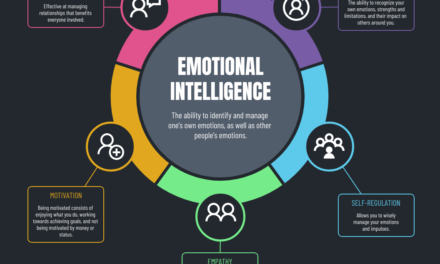
- Emotional Regulation: The ability to recognize, understand, and manage one’s emotions is essential for resilience. Emotional regulation enables individuals to cope with stress, anxiety, and negative emotions in healthy and adaptive ways.
- Optimism and Positive Thinking: A positive outlook on life and the belief in one’s ability to overcome challenges are crucial aspects of resilience. Optimistic thinking helps individuals reframe setbacks as temporary and solvable, fostering a sense of hope and empowerment.
- Adaptability: Resilient individuals demonstrate a high level of adaptability, which allows them to adjust to new situations and changes. Being open to learning and embracing uncertainty are essential traits for building resilience.
- Problem-Solving Skills: Resilience involves an active approach to problem-solving. Individuals who are resilient are adept at identifying solutions and taking proactive steps to address challenges.
- Social Support: Strong social connections and support networks play a significant role in fostering resilience. Having a reliable support system provides a sense of belonging and reassurance during difficult times.
The Science Behind Resilience
The study of resilience is deeply rooted in neuroscience and psychology. Research has shown that the brain is remarkably adaptable and capable of rewiring itself in response to experiences and environmental factors. Neuroplasticity, the brain’s ability to form new neural connections, plays a critical role in the development of resilience.
When individuals face stress or adversity, the brain’s stress response system, including the release of stress hormones like cortisol, activates to prepare the body for fight or flight. In resilient individuals, the brain’s prefrontal cortex, responsible for executive functions such as decision-making and emotional regulation, plays a crucial role in modulating the stress response.
Moreover, studies have revealed that positive experiences, supportive relationships, and a nurturing environment can promote the development of neural pathways associated with resilience. By engaging in practices that promote emotional well-being and positive thinking, individuals can strengthen neural connections linked to resilience.
Cultivating Resilience
Resilience is not an innate trait but a skill that can be cultivated and nurtured. Developing resilience involves a combination of self-awareness, intentional practice, and a growth mindset. Here are some strategies to cultivate resilience:
- Mindfulness and Self-Reflection: Practicing mindfulness allows individuals to become more aware of their thoughts and emotions, promoting emotional regulation and self-awareness.
- Cognitive Restructuring: Challenging negative thought patterns and replacing them with positive and realistic beliefs can enhance resilience.
- Building a Support Network: Cultivating strong social connections and seeking support from friends, family, or support groups provides a safety net during challenging times.
- Practicing Gratitude: Regularly expressing gratitude for positive aspects of life can foster a positive outlook and resilience.
- Engaging in Physical Activity: Regular exercise has been shown to improve mood, reduce stress, and enhance resilience.
- Seeking Professional Support: In times of significant adversity, seeking guidance from mental health professionals can be beneficial in developing coping strategies and building resilience.
The Power of Resilience
Resilience is a powerful asset that can profoundly impact an individual’s life. By developing resilience, individuals can:
- Navigate through difficult life transitions with confidence and grace.
- Recover more quickly from setbacks and disappointments.
- Adapt to change and embrace new opportunities.
- Maintain mental and emotional well-being in the face of stress.
- Cultivate a sense of empowerment and self-efficacy.
- Enhance overall life satisfaction and happiness.
Overall, resilience serves as a critical life skill that equips individuals to cope with adversity, embrace challenges, and emerge stronger, wiser, and more compassionate in the face of life’s inevitable ups and downs. With the understanding that resilience is a dynamic and learnable quality, individuals can embark on a journey of self-discovery and personal growth, nurturing their inner strength and capacity to bounce back stronger from challenging times.
Resilience extends beyond a one-time reaction to adversity; it is a skill that can be honed and applied to different aspects of life. In this section, we explore how to build resilience in personal life, relationships, and emotional well-being.
Embracing Change and Uncertainty: The Path to Adaptability
Change is inevitable, and developing adaptability is key to navigating life’s uncertainties with grace and flexibility. Learn how to embrace change and turn challenges into opportunities for growth.
Strategies for Emotional Regulation: Coping with Stress and Anxiety
In times of stress and anxiety, emotional regulation techniques can help individuals regain control over their emotions and responses. Explore practical strategies to manage emotions effectively.
Building a Growth Mindset: Embracing Challenges and Learning from Failures
A growth mindset fosters a belief in the ability to learn and improve through effort and perseverance. Discover how a growth mindset enhances resilience and empowers individuals to view challenges as stepping stones to success.
Practicing Mindfulness: Finding Serenity in the Present Moment
Mindfulness is a powerful tool for grounding oneself in the present moment and reducing stress. Explore mindfulness practices and their positive impact on emotional well-being.
Nurturing Healthy Relationships: The Power of Social Support
Strong and supportive relationships are fundamental to building resilience. Learn how to cultivate healthy connections and lean on your social support network during difficult times.

Building Resilience in Professional Life
Resilience is a valuable skill in all areas of life, and the professional realm is no exception. In the fast-paced and often unpredictable world of work, individuals who possess resilience can navigate challenges with greater ease, maintain a positive outlook, and continue to thrive even in the face of adversity. Building resilience in the professional sphere involves a combination of mindset, skills, and strategies that empower individuals to adapt to change, manage stress, and maintain their well-being while pursuing their career goals. In this section, we will explore various aspects of building resilience in the workplace and how it contributes to a fulfilling and successful career.
Check out: Mindful Eating and Nutrition: Nourishing the Body and Mind
Developing Resilience at Work: Thriving in a Dynamic Environment
The workplace is a dynamic environment, subject to continuous changes, demanding deadlines, and unexpected challenges. Developing resilience at work is essential for employees to navigate this dynamic landscape with confidence and agility. Resilient individuals view challenges as opportunities for growth and learning rather than insurmountable obstacles. They are open to change, adaptable, and willing to take on new responsibilities.
To develop resilience at work, individuals can:
- Cultivate a Growth Mindset: Embrace challenges with a growth mindset, believing that skills and abilities can be developed through effort and learning. Emphasize continuous improvement and seek opportunities for skill development.
- Focus on Solutions: When faced with obstacles, focus on finding solutions rather than dwelling on the problem. Adopt a proactive approach to address challenges and seek support when needed.
- Practice Self-Reflection: Regularly reflect on past experiences and how challenges were overcome. Identify personal strengths and areas for growth to enhance resilience.
- Set Realistic Goals: Set achievable goals that align with career aspirations and break them down into manageable steps. Celebrate progress and milestones along the way.
Effective Time Management: Balancing Priorities for Resilience
Time management is a fundamental skill that supports resilience in the workplace. Juggling multiple tasks, projects, and deadlines can be overwhelming, leading to stress and burnout. Effective time management enables individuals to prioritize tasks, allocate time wisely, and maintain a healthy work-life balance.
To improve time management skills:
- Create To-Do Lists: Organize tasks by priority and deadlines using to-do lists. This helps individuals focus on essential tasks and avoid feeling overwhelmed.
- Use Time-Blocking Techniques: Allocate specific time blocks for different tasks, ensuring dedicated focus and preventing distractions.
- Avoid Multitasking: While multitasking may seem efficient, it often leads to reduced productivity and increased stress. Concentrate on one task at a time to achieve better results.
- Take Breaks: Incorporate short breaks throughout the workday to recharge and prevent burnout. Regular breaks can enhance focus and overall well-being.
Communication and Conflict Resolution: Strengthening Professional Relationships
Effective communication and conflict resolution are vital for building and maintaining strong professional relationships. Resilient individuals are skilled communicators, able to express their thoughts and emotions assertively while being receptive to feedback.
To improve communication and conflict resolution skills:
- Practice Active Listening: Actively listen to colleagues and superiors, demonstrating genuine interest and understanding. Avoid interrupting and provide thoughtful responses.
- Be Open to Feedback: Accept constructive feedback with an open mind and view it as an opportunity for growth. Respond positively and take action to address areas for improvement.
- Resolve Conflicts Constructively: When conflicts arise, approach them with a problem-solving mindset. Engage in respectful and constructive conversations to find mutually beneficial resolutions.
- Build Empathy: Empathy fosters understanding and connection with others. Put yourself in the shoes of colleagues to better grasp their perspectives and emotions.
Learning from Setbacks: Turning Failures into Growth Opportunities
Setbacks and failures are inevitable in any career journey. Resilient individuals perceive setbacks as opportunities for learning and growth rather than signs of inadequacy. They bounce back from disappointments with renewed determination and a willingness to try again.
To learn from setbacks and failures:
- Analyze the Experience: Reflect on the setback, identifying the factors that led to the outcome. Consider what could have been done differently and what valuable lessons can be gained.
- Focus on Solutions: Instead of dwelling on the failure itself, concentrate on finding solutions and taking proactive steps to improve.
- Seek Support: Reach out to mentors, colleagues, or support networks for guidance and encouragement. Discussing challenges with others can provide valuable insights.
- Celebrate Progress: Acknowledge and celebrate small victories and milestones along the way. Recognize achievements, no matter how minor they may seem.
Building a Supportive Work Culture: Promoting Resilience and Well-Being
The work culture significantly influences employee well-being and resilience. A supportive work culture fosters an environment where individuals feel valued, motivated, and empowered to navigate challenges with confidence.
To promote a supportive work culture:
- Encourage Open Communication: Establish open channels of communication between employees and management. Encourage employees to voice their concerns and ideas.
- Recognize and Appreciate: Recognize employees’ contributions and efforts regularly. Genuine appreciation boosts morale and fosters a positive work environment.
- Offer Professional Development Opportunities: Provide opportunities for skill development and career growth. Employees who feel invested in are more likely to be resilient and committed to their work.
- Promote Work-Life Balance: Encourage work-life balance by offering flexible work arrangements and promoting well-being initiatives. A healthy work-life balance is essential for building resilience.
The Psychological Impact of the Pandemic: Understanding the Toll on Mental Health
The pandemic brought forth unique mental health challenges. Explore the psychological impact of the pandemic and the importance of resilience in managing stress and anxiety.
Resilience in Remote Work: Adapting to the New Normal
Remote work became the norm during the pandemic, requiring employees to adapt to a new work environment. Discover how resilience facilitated a smooth transition to remote work and maintained productivity.
Coping with Grief and Loss: Building Resilience in Times of Mourning
The pandemic led to profound loss and grief. Explore how resilience helped individuals cope with loss and find solace in challenging times.
Community Resilience: Coming Together to Support Each Other
In times of crisis, communities rallied together to support those in need. Learn how community resilience strengthened bonds and offered hope during the pandemic.
Teaching Resilience: Nurturing Resilience in Children and Youth
Resilience is a crucial skill for children and youth to develop as they face various challenges in life. In this section, we explore how parents, caregivers, and educators can nurture resilience in the younger generation.
Parenting with Resilience: Fostering Strength in Children
Parents play a significant role in building resilience in their children. Discover parenting strategies that empower children to overcome challenges and build confidence.
Resilience in Education: Equipping Students for Success
Educators can foster resilience among students through supportive learning environments and growth-oriented teaching methods. Explore how resilience enhances academic performance and emotional well-being.
Mental Health Support for Youth: Encouraging Help-Seeking Behaviors
Promoting mental health support for young individuals is vital for building resilience. Learn how to encourage help-seeking behaviors and reduce the stigma around mental health.
Check out: Roman Soldiers Diet: Unveiling the Food that Powered the Legionaries
Conclusion: Building Resilience in Challenging Times
In challenging times, resilience serves as a beacon of hope and strength, guiding individuals through adversity and empowering them to bounce back stronger. By understanding the concept of resilience, fostering emotional intelligence, and building a support network, individuals can cultivate resilience in various aspects of life.
Whether in personal or professional spheres, resilience enables individuals to face challenges with grace, adapt to change, and emerge stronger in the face of adversity. The journey towards building resilience may be challenging, but the rewards are immeasurable – a life marked by strength, growth, and an unwavering spirit to overcome whatever life throws its way.