


















E-Commerce: Challenges, and Opportunities for Businesses

E-commerce has witnessed a remarkable surge in popularity and influence in recent years. As more consumers embrace online shopping, businesses must adapt to this evolving landscape to stay competitive. The rise of e-commerce has transformed the way businesses operate, opening up new avenues for growth, but also posing challenges that require careful navigation. This section provides a detailed overview of the trends, challenges, and opportunities associated with the rise of e-commerce.
Exploring the Growth of E-Commerce
Before delving into the trends, challenges, and opportunities, it is essential to understand the growth and significance of e-commerce. E-commerce refers to the buying and selling of goods and services conducted electronically, typically through the Internet. Over the years, e-commerce has experienced exponential growth, reshaping traditional business models and consumer behavior.
The advent of the internet and technological advancements have played a pivotal role in driving the growth of e-commerce. With the increasing availability of internet access and the widespread use of smartphones, consumers now have unprecedented access to online shopping platforms. This accessibility, coupled with the convenience and flexibility offered by e-commerce, has fueled its rapid expansion.
E-commerce encompasses various forms, including business-to-consumer (B2C), business-to-business (B2B), and consumer-to-consumer (C2C) transactions. It spans numerous industries, ranging from retail and fashion to healthcare and travel. The global e-commerce market has witnessed tremendous growth, with eMarketer estimating that worldwide e-commerce sales will reach $6.54 trillion by 2022.
Check out: The Impact of Artificial Intelligence on Job Markets
Key Trends Shaping the E-Commerce Landscape
The e-commerce industry is constantly evolving, driven by technological advancements, changing consumer preferences, and market dynamics. To thrive in this competitive landscape, businesses must stay abreast of the key trends shaping the e-commerce industry. The following trends have gained prominence and are transforming the way businesses engage with consumers in the online space:
1. Mobile Commerce: The Era of Shopping on the Go
With the proliferation of smartphones and the increasing reliance on mobile devices, mobile commerce (m-commerce) has emerged as a dominant force in e-commerce. Consumers now have the ability to shop anytime, anywhere, directly from their smartphones or tablets. This trend has necessitated businesses to optimize their online platforms for mobile devices, providing seamless and intuitive shopping experiences.
Mobile commerce offers several benefits, including convenience, personalized recommendations, and mobile payment options. Businesses must prioritize mobile optimization to capitalize on the growing number of mobile shoppers and deliver a frictionless mobile shopping experience.
2. Personalization: Tailoring the Shopping Experience
Personalization has become a driving force behind successful e-commerce strategies. Consumers now expect tailored recommendations, customized promotions, and personalized shopping experiences. By leveraging data analytics and machine learning algorithms, businesses can gain insights into consumer preferences and behaviors, enabling them to deliver personalized experiences at scale.
Personalization not only enhances customer satisfaction but also boosts engagement, conversion rates, and customer loyalty. By understanding customer needs and preferences, businesses can create targeted marketing campaigns, recommend relevant products, and offer personalized customer support.
3. Social Commerce: The Influence of Social Media
Social media platforms have transformed from mere communication tools to influential e-commerce channels. Social commerce leverages the power of social media networks to facilitate product discovery, customer engagement, and seamless purchasing experiences. With billions of users actively engaging on social platforms, businesses can tap into this vast audience and drive e-commerce sales.
Platforms like Instagram and Facebook offer integrated shopping features, enabling businesses to showcase products, provide product information, and direct consumers to their online stores. Social commerce thrives on user-generated content, influencer marketing, and social recommendations, making it an invaluable tool for businesses looking to capitalize on the social media landscape.
4. Omnichannel Retailing: Seamlessly Connecting Online and Offline
Omnichannel retailing integrates various sales channels, including physical stores, websites, mobile apps, and social media platforms, to create a cohesive and seamless shopping experience. Consumers expect a consistent brand experience across channels, allowing them to research, browse, and make purchases seamlessly.
Businesses that adopt an omnichannel approach can leverage the strengths of each channel to engage customers effectively. For example, customers can research products online, visit a physical store for a hands-on experience, and make the final purchase online or in-store, depending on their preference. By bridging the gap between online and offline experiences, businesses can enhance customer satisfaction and drive sales.
5. Voice Commerce: Shopping through Voice Assistants
The rapid advancement of voice recognition technology has given rise to voice commerce, also known as v-commerce or voice-activated shopping. Voice assistants such as Amazon’s Alexa, Apple’s Siri, and Google Assistant have become integral parts of consumers’ daily lives, offering convenience and hands-free interactions.
Voice commerce allows consumers to browse products, place orders, and make purchases using voice commands. As voice recognition technology continues to improve, businesses must optimize their e-commerce platforms to support voice interactions, ensuring a seamless and frictionless shopping experience for voice-enabled devices.
6. Augmented Reality (AR) and Virtual Reality (VR) in E-Commerce
Augmented reality (AR) and virtual reality (VR) technologies have gained traction in the e-commerce industry, offering immersive and interactive shopping experiences. AR overlays virtual elements in the real world, allowing consumers to visualize products in their environment before making a purchase. VR, on the other hand, creates entirely virtual environments, transporting consumers into simulated shopping environments.
AR and VR technologies enhance product visualization, improve customer engagement, and reduce purchase hesitation. For example, customers can virtually try on clothes, visualize furniture in their homes, or experience virtual tours of vacation destinations. By integrating AR and VR into their e-commerce strategies, businesses can provide unique and engaging experiences that drive customer satisfaction and increase conversions.
Check out: Data Analytics: Leveraging Big Data for Innovation
Challenges in the E-Commerce Industry
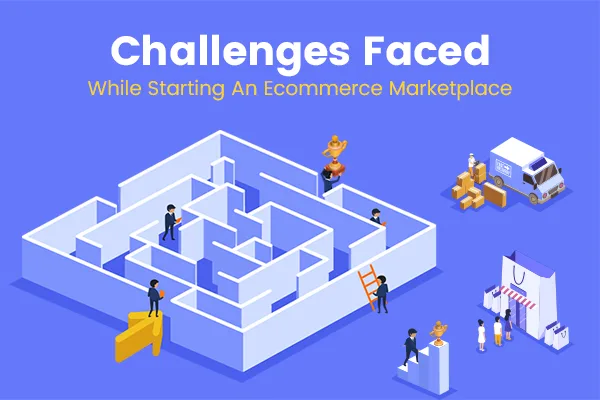
While e-commerce presents numerous opportunities, businesses must also confront various challenges inherent in the industry. Successfully navigating these challenges is crucial for long-term growth and sustainability. The following are key challenges that businesses face in the e-commerce landscape:
7. Cybersecurity: Protecting Customer Data
As the volume of online transactions increases, so does the risk of cyber threats and data breaches. E-commerce businesses must prioritize cybersecurity measures to safeguard customer data, including personal information and payment details. Implementing robust security protocols, encryption technologies, and regular security audits are essential to establish trust with customers and protect their sensitive information.
8. Logistics and Fulfillment: Efficient Delivery and Returns
Efficient logistics and fulfillment processes are critical in e-commerce, as timely delivery and hassle-free returns are key factors in customer satisfaction. Businesses must optimize their supply chain management, partner with reliable logistics providers, and implement effective inventory management systems to ensure smooth operations.
Additionally, managing returns and handling customer inquiries require efficient customer service processes. Offering flexible return policies and responsive customer support can enhance the overall customer experience and build customer loyalty.
9. Customer Trust: Building Credibility in the Online Space
Establishing trust with customers is paramount in e-commerce. Consumers need assurance that their personal information is secure, their transactions are protected, and the products or services they receive meet their expectations. Building credibility requires transparent communication, authentic customer reviews, secure payment gateways, and visible trust signals on e-commerce platforms.
Businesses must prioritize building trust through exceptional customer experiences, reliable product quality, and transparent policies, fostering long-term customer relationships and repeat purchases.
10. Market Saturation and Competition
The e-commerce industry is highly competitive, with a multitude of businesses vying for consumer attention and market share. Market saturation poses challenges for new entrants and existing businesses looking to stand out in a crowded marketplace.
To overcome market saturation and competition, businesses must differentiate themselves through unique value propositions, targeted marketing strategies, exceptional customer experiences, and innovative approaches. Understanding the target audience, identifying niche markets, and continuously adapting to changing consumer preferences are key to remaining competitive in the e-commerce landscape.
Opportunities for Businesses in E-Commerce
Despite the challenges, e-commerce presents vast opportunities for businesses to expand their reach, drive growth, and thrive in the digital marketplace. By capitalizing on these opportunities, businesses can leverage the potential of e-commerce to achieve sustainable success. The following are key opportunities that businesses can explore in the e-commerce industry:
11. Global Reach: Expanding Beyond Borders
One of the most significant advantages of e-commerce is the ability to reach a global customer base. Businesses can expand their market reach beyond geographical boundaries, targeting customers in different regions and countries. This presents an opportunity to tap into new markets, diversify revenue streams, and capitalize on international demand.
To succeed in global e-commerce, businesses must consider localization, language preferences, cultural nuances, and logistical challenges associated with cross-border operations. Adapting to local market conditions and establishing strategic partnerships can help businesses navigate the complexities of international expansion.
12. Lower Costs and Overhead
Compared to traditional brick-and-mortar establishments, e-commerce offers businesses the advantage of lower operating costs and reduced overhead. E-commerce eliminates the need for physical retail spaces, costly infrastructure, and extensive staffing. By operating primarily online, businesses can streamline operations, optimize costs, and allocate resources more efficiently.
Lower costs and overhead enable businesses to offer competitive prices, invest in marketing initiatives, and allocate funds to areas that drive growth, such as product development, customer acquisition, and technology infrastructure.
13. Data-Driven Insights: Leveraging Analytics for Business Growth
E-commerce generates a wealth of data, providing businesses with valuable insights into customer behavior, preferences, and market trends. By leveraging data analytics and advanced analytics tools, businesses can uncover actionable insights that drive informed decision-making and business growth.
Data-driven insights allow businesses to optimize marketing campaigns, personalize customer experiences, identify emerging trends, and make data-backed strategic decisions. By harnessing the power of data analytics, businesses can gain a competitive edge and continuously refine their e-commerce strategies.
14. Enhanced Customer Engagement and Relationship Building
E-commerce provides businesses with various avenues to engage with customers, foster relationships, and build brand loyalty. Through personalized recommendations, targeted marketing campaigns, and interactive customer experiences, businesses can establish strong connections with their customer base.
Social media platforms, email marketing, and customer loyalty programs are effective tools for engaging customers and nurturing long-term relationships. By prioritizing customer engagement and relationship building, businesses can create a loyal customer base that advocates for their brand and drives repeat purchases.
15. Scalability and Flexibility
E-commerce offers businesses unparalleled scalability and flexibility. As demand fluctuates, businesses can quickly adjust their operations, expand or contract inventory levels, and adapt to changing market dynamics. E-commerce platforms allow businesses to scale their operations seamlessly, accommodating growth without significant infrastructure investments.
This scalability and flexibility enable businesses to respond to market trends, launch new products or services, and seize opportunities swiftly. By leveraging e-commerce platforms, businesses can navigate market fluctuations and rapidly capitalize on emerging trends.
Check out: Figma: Collaborative Prototyping and Designing Interfaces
FAQs about E-Commerce
1. What is e-commerce, and why is it important for businesses?
E-commerce, short for electronic commerce, refers to the buying and selling of goods and services conducted over the Internet. It involves online transactions between businesses (B2B), businesses and consumers (B2C), and even consumers themselves (C2C). E-commerce has become increasingly prevalent due to its convenience, accessibility, and potential for global reach.
For businesses, e-commerce offers numerous benefits and opportunities. First and foremost, it provides a platform to expand its customer base beyond geographical limitations. By establishing an online presence, businesses can reach customers around the world, allowing for significant market expansion and revenue growth.
E-commerce also enables businesses to operate 24/7, eliminating the constraints of traditional brick-and-mortar stores’ opening hours. This accessibility means that customers can make purchases at their convenience, increasing the potential for sales and customer satisfaction.
Moreover, e-commerce reduces overhead costs associated with physical retail spaces, such as rent, utilities, and staffing. By operating primarily online, businesses can optimize their resources and allocate funds to areas that drive growth, such as marketing, product development, and customer acquisition.
In summary, e-commerce offers businesses the opportunity to reach a broader customer base, operate efficiently, and reduce costs, making it a vital component of modern business strategies.
2. What are the advantages of e-commerce for consumers?
E-commerce provides numerous advantages for consumers, enhancing their shopping experiences and offering greater convenience. Some of the key advantages include:
a. Convenience: E-commerce allows consumers to shop anytime and anywhere, eliminating the need to visit physical stores. With a few clicks, consumers can browse and purchase products or services from the comfort of their homes or on the go.
b. Wider Product Selection: E-commerce opens up a world of choices for consumers. They can access a vast range of products from various sellers, including international brands that may not be available locally. This variety enables consumers to find unique items and compare prices easily.
c. Competitive Pricing: Due to the reduced overhead costs associated with online operations, e-commerce businesses can often offer competitive prices. Consumers can benefit from cost savings and find better deals compared to traditional retail stores.
d. Personalization: E-commerce platforms leverage data analytics to personalize the shopping experience. Consumers receive tailored recommendations based on their browsing history and preferences, making it easier to discover relevant products and services.
e. Access to Reviews and Ratings: E-commerce platforms provide access to customer reviews and ratings, helping consumers make informed purchase decisions. By reading others’ experiences, consumers can gauge the quality and reliability of products or services before making a purchase.
f. Seamless Transactions: E-commerce offers secure and convenient payment options, including credit cards, digital wallets, and online banking. This streamlines the purchasing process, making it quick and hassle-free.
Overall, e-commerce empowers consumers by providing them with convenience, choice, competitive pricing, personalized experiences, and access to information, making it a preferred shopping method for many.
3. How can businesses build trust in the online space?
Building trust is essential for businesses operating in the online space. Without a physical presence, businesses need to establish credibility and reassure customers about the security of their information and the reliability of their products or services. Here are some strategies to build trust in the online space:
a. Secure Website and Payment Process: Implement robust security measures, such as SSL certificates, encryption protocols, and secure payment gateways. Display trust seals or badges on the website to convey credibility and ensure customers’ data protection.
b. Transparent Policies: Clearly communicate return policies, shipping procedures, and customer support availability. Transparency builds confidence in customers, assuring them that their concerns will be addressed promptly and professionally.
c. Customer Reviews and Testimonials: Encourage customers to provide feedback and display their reviews and testimonials on the website. Positive reviews serve as social proof, influencing other potential customers’ buying decisions.
d. Visible Contact Information: Make contact information, including email addresses, phone numbers, and physical addresses, easily accessible on the website. This demonstrates transparency and gives customers assurance that they can reach out for any queries or concerns.
e. Responsive Customer Support: Offer responsive and helpful customer support through multiple channels, such as live chat, email, or phone. Promptly address customer inquiries, issues, and complaints to show that their satisfaction is a priority.
f. Secure and Trustworthy Payment Options: Provide trusted and widely recognized payment options to ensure customers’ financial information is handled securely. Integrating well-known payment gateways adds an extra layer of trust.
g. Social Media Presence: Maintain an active presence on social media platforms. Engage with customers, respond to their comments and messages, and use social media to showcase your brand’s authenticity and interact directly with the audience.
By implementing these trust-building strategies, businesses can establish a solid reputation in the online space and foster long-term customer relationships.
4. What role does customer experience play in e-commerce success?
Customer experience plays a vital role in the success of e-commerce businesses. It encompasses all interactions and touchpoints a customer has with a business, from initial discovery to post-purchase support. A positive customer experience is crucial for several reasons:
a. Customer Satisfaction and Loyalty: When customers have a seamless and enjoyable experience, they are more likely to be satisfied with their purchase and become repeat customers. Satisfied customers also tend to share their positive experiences with others, contributing to brand advocacy and loyalty.
b. Differentiation and Competitive Advantage: In a crowded e-commerce marketplace, providing exceptional customer experience sets businesses apart from their competitors. By offering personalized and memorable experiences, businesses can differentiate themselves and create a unique value proposition.
c. Increased Conversions and Sales: A positive customer experience influences purchasing decisions. Customers are more likely to complete transactions and make additional purchases when they have confidence in the brand, feel valued, and encounter minimal friction throughout the buying journey.
d. Brand Reputation: Customer experience directly impacts a brand’s reputation. Positive experiences generate positive reviews, testimonials, and word-of-mouth recommendations, enhancing the brand’s reputation and attracting new customers.
To optimize customer experience in e-commerce, businesses should focus on aspects such as intuitive website navigation, fast and reliable shipping, personalized recommendations, responsive customer support, and post-purchase engagement.
5. What are the key considerations for businesses expanding into international e-commerce?
Expanding into international e-commerce opens up significant growth opportunities for businesses. However, it requires careful planning and consideration of various factors. Key considerations for businesses expanding into international e-commerce include:
a. Market Research: Conduct thorough market research to understand the target market’s cultural preferences, buying habits, and local competition. This information helps businesses tailor their offerings and marketing strategies accordingly.
b. Localization: Adapt the website, product descriptions, pricing, and payment options to cater to the local market. Localization includes language translation, currency conversion, and adjusting to cultural norms and preferences.
c. Logistics and Fulfillment: Assess the logistics and fulfillment challenges associated with international shipping, including customs regulations, duties, taxes, and reliable shipping partners. Optimize the supply chain to ensure timely delivery and efficient returns handling.
d. Payment and Currency Considerations: Offer multiple payment options to accommodate the preferences of international customers. Consider accepting local currencies and integrating secure payment gateways that are widely recognized in the target market.
e. Customer Support: Provide customer support in local languages and consider time zone differences. Having knowledgeable support staff who can address inquiries and resolve issues promptly is crucial for customer satisfaction.
f. Compliance and Legal Considerations: Familiarize yourself with the legal and regulatory requirements of the target market, including data protection, privacy regulations, and product compliance. Ensure compliance with local laws to avoid legal complications.
By addressing these considerations, businesses can effectively navigate the complexities of international e-commerce and seize growth opportunities in new markets.
6. How can businesses leverage data analytics in e-commerce for strategic decision-making?
Data analytics plays a crucial role in e-commerce, providing businesses with valuable insights into customer behavior, market trends, and operational performance. By leveraging data analytics, businesses can make informed decisions and drive strategic growth. Here’s how businesses can leverage data analytics in e-commerce:
a. Customer Segmentation: Analyze customer data to segment the customer base based on various factors such as demographics, purchasing behavior, and preferences. This segmentation allows businesses to tailor marketing strategies, personalize recommendations, and deliver targeted campaigns.
b. Product Performance Analysis: Analyze sales data, customer reviews, and product returns to gain insights into product performance. Identify trends, popular products, and areas for improvement to optimize product offerings and inventory management.
c. Conversion Funnel Analysis: Track customer interactions and behavior throughout the conversion funnel, from initial website visit to completed purchase. Identify bottlenecks, optimize user experience, and reduce friction to increase conversion rates.
d. Pricing and Promotion Optimization: Analyze pricing data, competitor pricing, and promotional campaign performance to determine optimal pricing strategies and promotional offers. Data-driven pricing decisions can maximize profitability while remaining competitive.
e. Forecasting and Inventory Management: Utilize historical sales data and demand forecasting models to optimize inventory management. Accurate demand forecasting helps businesses avoid stockouts, reduce excess inventory, and improve supply chain efficiency.
f. Customer Lifetime Value (CLV): Calculate and analyze CLV to understand the long-term value of customers. By identifying high-value customers, businesses can focus on customer retention strategies, personalized marketing, and loyalty programs.
g. A/B Testing and Experimentation: Implement A/B testing and experimentation to assess the impact of website design, marketing campaigns, and product offerings. Data-driven experimentation allows businesses to make iterative improvements and optimize performance.
By leveraging data analytics effectively, businesses can gain a deeper understanding of their customers, improve operational efficiency, optimize marketing strategies, and drive overall business growth in the e-commerce landscape.
Conclusion
The rise of e-commerce has ushered in a new era of business opportunities and challenges. By embracing the key trends shaping the industry, addressing challenges with strategic solutions, and capitalizing on the vast opportunities available, businesses can position themselves for success in the dynamic e-commerce landscape. With the right strategies, customer-centric approaches, and continuous innovation, businesses can thrive and carve their path in the ever-evolving world of e-commerce.






Incredible points. Outstandkng arguments.
Keeep up thhe good spirit.