

















The Impact of Artificial Intelligence on Job Markets

Artificial intelligence (AI) has had a profound impact on job markets, transforming the way we work and creating both promising prospects and significant challenges. In this section, we will explore the multifaceted effects of AI on job markets, analyzing the opportunities it presents and the obstacles it brings.
Automation and Efficiency
Automation powered by artificial intelligence (AI) has revolutionized job markets, ushering in a new era of efficiency and productivity. With the ability to perform repetitive tasks with unparalleled precision, AI-driven automation has transformed industries across the board, from manufacturing and logistics to customer service and beyond. The impact of automation on job markets is significant and far-reaching, bringing about both positive outcomes and potential challenges.
- Increased Productivity
One of the key benefits of automation in job markets is the substantial increase in productivity. AI-powered machines and robots can tirelessly perform tasks at a speed and accuracy that surpasses human capabilities. By eliminating the need for manual labor, businesses can achieve higher production rates, meet demanding deadlines, and satisfy customer expectations more efficiently.
The relentless nature of AI automation allows for continuous operations, reducing downtime and optimizing productivity. Unlike human workers, AI systems do not require breaks or rest, enabling businesses to maximize output and meet ever-growing demands. This increased productivity ultimately leads to greater profitability and a competitive advantage in the marketplace.
- Enhanced Precision
Automation powered by AI brings a level of precision that is unparalleled in traditional labor-intensive processes. AI systems can execute tasks with consistent accuracy, minimizing errors and defects in products or services. This precision is particularly critical in industries that rely on quality control and stringent adherence to standards, such as manufacturing and healthcare.
In manufacturing, AI-driven automation ensures uniformity and consistency in product assembly, reducing the occurrence of faulty or subpar items. By eliminating human errors and variations, businesses can maintain high levels of quality and customer satisfaction. Similarly, in healthcare, AI systems aid in precise diagnoses, enabling early detection of diseases and improving treatment outcomes.
- Cost Savings
AI automation presents businesses with cost-saving opportunities that contribute to long-term financial stability. By replacing manual labor with AI systems, companies can significantly reduce labor costs associated with hiring, training, and managing employees. This is particularly evident in industries with labor-intensive tasks, where the deployment of AI-driven automation can lead to substantial savings.
Furthermore, automation eliminates the need for overtime pay, benefits, and other expenses typically associated with human workers. AI systems do not require breaks, sick leave, or vacations, resulting in continuous and uninterrupted operations. Businesses can optimize resource allocation and allocate saved funds to other areas of growth, such as research and development or strategic investments.
- Workflow Optimization
AI automation has the potential to transform and optimize workflows within organizations. By analyzing data and processes, AI systems can identify inefficiencies, bottlenecks, and areas for improvement. Through intelligent automation, businesses can streamline operations, eliminate redundant tasks, and allocate resources more effectively.
For instance, in logistics and supply chain management, AI systems can optimize route planning, inventory management, and demand forecasting. By leveraging real-time data and predictive analytics, businesses can ensure timely deliveries, reduce wastage, and enhance overall operational efficiency.
- Job Redesign and Skill Enhancement
While AI automation may replace certain job roles, it also creates new opportunities for workers to engage in more intellectually stimulating and higher-value tasks. As mundane and repetitive tasks are automated, employees can focus on complex problem-solving, strategic decision-making, and creative endeavors that require uniquely human skills.
To fully capitalize on the benefits of automation, organizations must invest in reskilling and upskilling programs to equip their workforce with the necessary expertise to embrace new roles and responsibilities. This ensures that individuals remain adaptable, agile, and capable of leveraging AI technologies to drive innovation and productivity.
Automation powered by artificial intelligence has fundamentally transformed job markets, offering unparalleled efficiency, precision, and cost savings. The increased productivity resulting from AI automation enables businesses to meet the demands of a rapidly evolving marketplace, while the precision and accuracy of AI systems enhance product quality and customer satisfaction. Moreover, AI automation optimizes workflows, identifying inefficiencies and driving process improvements.
Check out: Figma: Collaborative Prototyping and Designing Interfaces
Overall, the impact of automation on job markets is multifaceted, offering tremendous benefits to businesses and workers alike. As AI continues to evolve and mature, the collaboration between humans and intelligent machines holds the key to unlocking new levels of efficiency and productivity in the future of work.
New Job Roles and Opportunities
As AI technologies continue to advance, new job opportunities emerge, creating a demand for specialized skill sets and expertise. This section will delve into the various fields that witness substantial growth and offer promising prospects, highlighting the importance of adaptability and embracing technology in navigating the AI-driven workforce.
- Data Science and Analytics: Analyzing Insights and Driving Decision-Making With the exponential growth of data, the role of data scientists has become increasingly vital in extracting valuable insights and driving informed decision-making. Data scientists employ statistical techniques, machine learning algorithms, and AI tools to analyze large volumes of data and uncover patterns, trends, and correlations.
These professionals play a crucial role in numerous industries, including finance, healthcare, marketing, and technology. They collaborate with cross-functional teams to translate complex data into actionable insights, enabling organizations to make data-driven decisions and gain a competitive edge.
- Machine Learning and AI Development: Designing Intelligent Systems The development and implementation of AI algorithms and models are integral to the AI-driven workforce. AI engineers and machine learning specialists are at the forefront of designing and developing intelligent systems that can learn from data, make predictions, and automate tasks.
AI engineers are responsible for building AI models and systems tailored to specific applications, such as computer vision, speech recognition, and recommendation systems. They collaborate with domain experts to understand the requirements, collect and preprocess data, and train models to achieve optimal performance.
Machine learning specialists focus on designing algorithms and techniques that enable machines to learn from data and improve their performance over time. They experiment with different approaches, such as supervised learning, unsupervised learning, and reinforcement learning, to build models that can generalize from data and make accurate predictions or classifications.
Professionals in these roles need a strong background in mathematics, statistics, and computer science. They must possess programming skills in languages such as Python or R and be familiar with popular AI frameworks and libraries.
- Robotics and Automation: Optimizing Industrial Processes The field of robotics and automation has seen significant growth due to advancements in AI technologies. Robotics specialists play a crucial role in designing, programming, and maintaining AI-powered robotic systems that optimize industrial processes, improve efficiency, and enhance safety.
Check out: Data Analytics: Leveraging Big Data for Innovation
These professionals possess expertise in mechatronics, electrical engineering, and computer science. They design robots that can perform complex tasks, collaborate with humans in a shared workspace, or operate autonomously in hazardous environments.
Robotics specialists also focus on integrating AI capabilities into robotic systems, enabling them to learn from their environment, adapt to new situations, and make intelligent decisions. They explore areas such as computer vision, motion planning, and control systems to enhance the autonomy and intelligence of robots.
With the rise of collaborative robots (cobots), which work alongside humans, robotics specialists are instrumental in ensuring the safety and effectiveness of human-robot interactions. They develop algorithms and protocols to enable seamless cooperation and effective communication between humans and robots.
- AI-Powered Healthcare: Revolutionizing Medical Diagnostics and Treatment AI has the potential to revolutionize healthcare by improving diagnostics, treatment plans, and patient care. Medical professionals, such as radiologists and pathologists, can leverage AI tools to assist in the interpretation of medical images and the identification of potential abnormalities.
Radiologists, for example, can use AI algorithms to analyze medical imaging data, detect anomalies, and provide insights to aid in accurate diagnoses. AI-powered systems can highlight areas of concern, help prioritize cases, and reduce the chances of human error.
- AI in Creative Industries: Augmenting Human Creativity Contrary to the common perception that AI threatens creative industries, it has the potential to augment human creativity and revolutionize artistic endeavors. AI tools and algorithms can assist artists, musicians, and designers in generating new ideas, enhancing their creative process, and pushing the boundaries of innovation.
For example, AI-powered generative models can produce unique and diverse artistic outputs, enabling artists to explore new styles and artistic expressions. AI algorithms can analyze vast amounts of data, such as music or visual patterns, to inspire new compositions or visual designs.
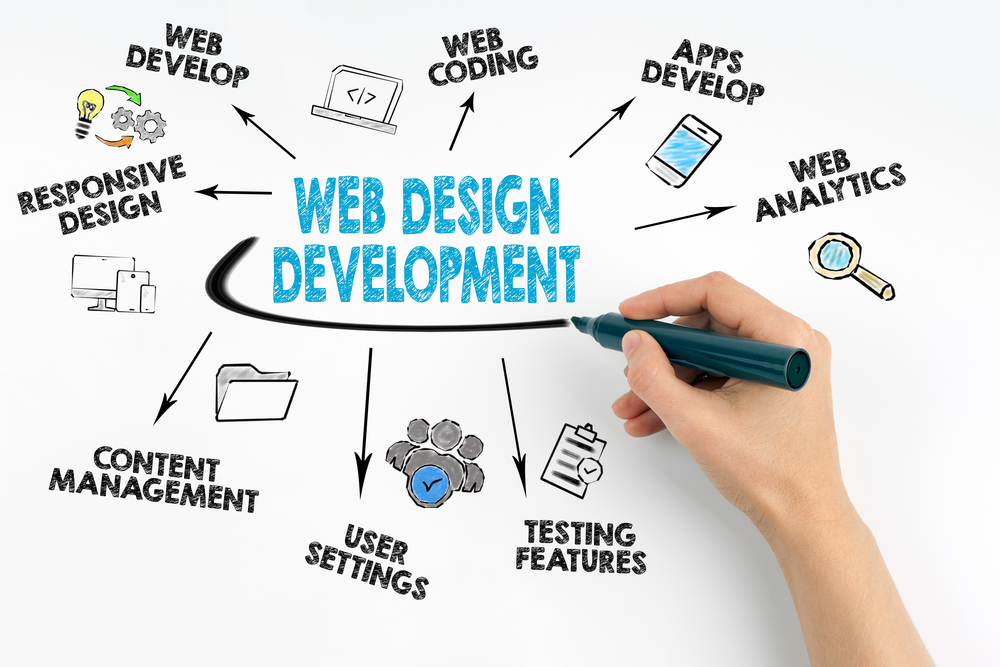
Check out: Website Design Fundamentals: Creating User-Centric and Visually Stunning Websites
Ethical Considerations
As artificial intelligence (AI) continues to shape job markets, ethical considerations have become a critical aspect that needs to be addressed. While AI presents numerous benefits and opportunities, it also raises concerns related to fairness, transparency, bias, privacy, and accountability. It is essential to ensure that AI technologies are developed and deployed responsibly, avoiding exacerbating societal inequalities and ensuring the well-being of individuals and society as a whole.
One of the primary ethical concerns associated with AI is the presence of bias in AI algorithms and decision-making processes. Bias can arise from various sources, including biased data sets, flawed algorithms, or the inherent biases of the developers. If left unaddressed, biased AI systems can perpetuate discrimination, amplify existing societal inequalities, and lead to unfair treatment of individuals based on factors such as race, gender, or socioeconomic status.
To mitigate the impact of bias in AI, it is crucial to develop AI systems that are transparent and explainable. Transparency enables users to understand how AI systems make decisions, ensuring that they are not solely based on biased criteria. Explainability helps uncover the reasons behind AI-generated outcomes, enabling organizations and individuals to assess the fairness and validity of AI-driven decisions. By promoting transparency and explainability, AI systems can be held accountable for their actions, reducing the potential for biased outcomes.
Another ethical consideration is the protection of data privacy and security in the context of AI-driven job markets. AI relies heavily on vast amounts of data, often collected from individuals. It is essential to establish robust protocols and safeguards to protect sensitive personal information from unauthorized access, misuse, or breaches. Organizations and governments must prioritize the implementation of stringent data protection measures, ensuring that individuals’ privacy rights are respected in the AI ecosystem.
Challenges and Adaptation
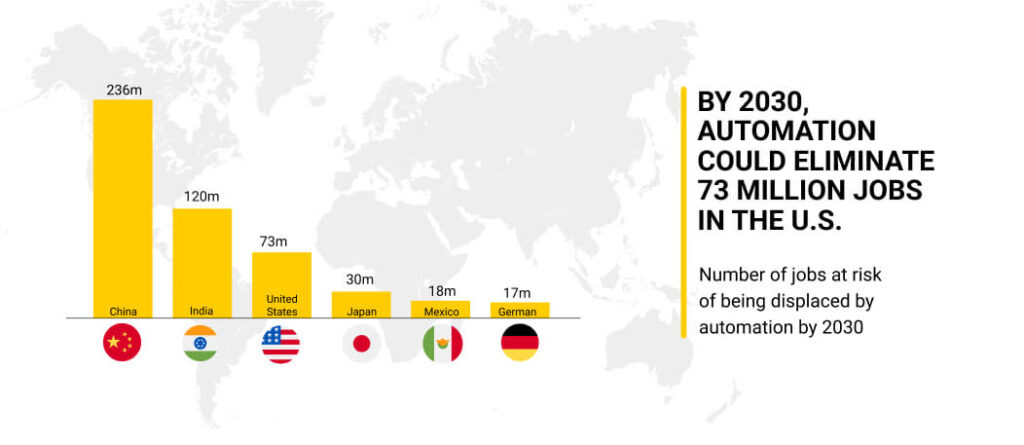
The impact of AI on job markets also brings challenges that need to be navigated. One significant challenge is the potential displacement of jobs due to automation. While certain job roles may be automated, AI also creates new opportunities that require individuals to adapt and upskill to remain relevant in the changing job market.
To navigate these challenges, the following strategies can be employed:
- Lifelong learning: Individuals should embrace continuous learning and seek opportunities to acquire new skills to stay competitive in an AI-driven job market.
- Reskilling and upskilling programs: Governments and organizations should invest in programs that help individuals transition to new roles and acquire the necessary skills to succeed.
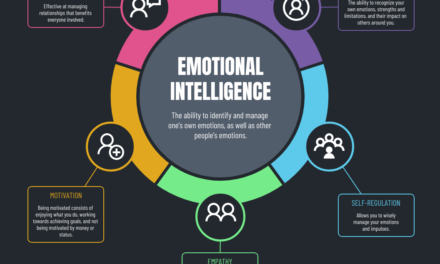
- Emphasis on human skills: As AI takes over routine tasks, the demand for uniquely human skills such as creativity, critical thinking, emotional intelligence, and complex problem-solving will increase.
By embracing these strategies, individuals can adapt to the changing landscape and leverage the opportunities presented by AI in job markets.
In conclusion, the impact of AI on job markets is far-reaching and transformative. Automation has led to increased efficiency and productivity, while the emergence of new job roles demands specialized skills in AI technologies. Ethical considerations must be addressed to ensure fairness and transparency in AI systems. Navigating the challenges and adapting to the changing job market will be crucial for individuals and organizations as they embrace the opportunities brought forth by AI in job markets.





Trackbacks/Pingbacks