

















Credit Scores Unraveled: Understanding, Building, and Maintaining Good Credit
Table of Contents
- Introduction
- What is a Credit Score?
- Understanding Credit Scoring Models
- FICO Score vs. VantageScore: The Main Players
- Key Factors Affecting Credit Scores
- Payment History: The Foundation of Good Credit
- Credit Utilization: Balancing Debt and Credit Limits
- Length of Credit History: Building a Solid Foundation
- Credit Mix: Diversifying Credit Types
- New Credit Applications: Managing Inquiries
- The Role of Credit Bureaus
- Building Good Credit: Tips and Strategies
- Establishing Credit: A Guide for Beginners
- Secured Credit Cards: A Stepping Stone to Good Credit
- Responsible Credit Card Usage: Best Practices
- Timely Payments: The Key to Credit Success
- Paying Down Debt: Reducing Credit Utilization
- The Impact of Closing Accounts: Proceed with Caution
- Authorized User and Joint Accounts: Pros and Cons
- Credit Builder Loans: An Alternative Path to Good Credit
- Becoming an Educated Borrower: Understanding Terms and Conditions
- Maintaining Good Credit: Long-Term Strategies
- Regular Credit Monitoring: Stay on Top of Your Credit
- Debt Management and Budgeting: A Balanced Approach
- Credit Score Improvement: Patience and Persistence
- Fraud Prevention: Safeguarding Your Identity
- Financial Education: Empower Yourself with Knowledge
- FAQs: Demystifying Credit Scores
- Conclusion
Introduction
Welcome to the ultimate guide to understanding credit scores and their significance in your financial journey. In this article, we will unravel the complexities of credit scores, demystify their calculation, and provide expert insights into building and maintaining good credit. Whether you’re a seasoned credit user or just starting to establish credit, this guide will equip you with the knowledge and strategies to improve your credit health and achieve financial success.
What is a Credit Score?
In the complex world of personal finance, credit scores play a pivotal role in determining an individual’s creditworthiness and financial stability. A credit score is a three-digit numerical representation of an individual’s credit history, repayment behavior, and overall financial responsibility. It serves as a critical measure for lenders, landlords, employers, and other entities to assess the risk associated with extending credit or offering various opportunities.
To generate a credit score, credit bureaus analyze a vast amount of data from an individual’s credit report, which includes information about their credit accounts, payment history, debt balances, and credit inquiries. The three major credit bureaus in the United States—Equifax, Experian, and TransUnion—gather this data from various sources, such as lenders, creditors, and public records.
The most widely used credit scoring models are the FICO Score and VantageScore. Both models use sophisticated algorithms to process the credit data and assign a credit score within a specific range. The FICO Score typically ranges from 300 to 850, while the VantageScore ranges from 300 to 850 as well.
A high credit score signifies a strong credit history and financial responsibility, making it easier for individuals to qualify for loans, credit cards, mortgages, and rental properties. On the other hand, a low credit score may lead to difficulties in obtaining credit or may result in higher interest rates and less favorable terms.
The Importance of Credit Scores
Credit scores are crucial because they directly influence an individual’s access to credit and the terms on which credit is extended. Whether you’re applying for a mortgage to purchase a home, seeking an auto loan for a new car, or applying for a credit card, your credit score is one of the primary factors lenders consider when evaluating your creditworthiness.
- Mortgages and Home Loans: When applying for a mortgage or home loan, lenders use your credit score to determine the level of risk associated with lending you a large sum of money. A higher credit score typically translates to a lower interest rate and more favorable mortgage terms, potentially saving you thousands of dollars over the life of the loan.
- Auto Loans: Similar to mortgages, a good credit score can lead to lower interest rates and better financing options when purchasing a car. This can make monthly payments more affordable and save you money over the duration of the loan.
- Credit Cards: Credit card companies use credit scores to assess the risk of lending money through their credit cards. Applicants with higher credit scores are more likely to qualify for premium credit cards with rewards and benefits.
- Rental Applications: Landlords often check applicants’ credit scores to assess their ability to pay rent consistently and on time. A higher credit score can increase your chances of securing a rental property.
- Employment Opportunities: Some employers conduct credit checks as part of the hiring process, especially for positions involving financial responsibility. While credit history is not the sole determinant of employment decisions, it can impact job prospects in certain industries.
- Insurance Premiums: In some states, credit scores can influence auto and homeowner insurance premiums. A higher credit score may lead to lower insurance rates.
Understanding your credit score and actively managing your credit health can significantly impact your financial well-being. A good credit score is an asset that empowers you to access better financial opportunities and take control of your financial future.
Understanding Credit Scoring Models
Credit scoring models are algorithms used by credit bureaus to calculate credit scores. Understanding how these models work can provide valuable insights into improving your credit health.
FICO Score vs. VantageScore: The Main Players
The two primary credit scoring models used in the United States are the FICO Score and VantageScore. Both models have their unique characteristics and scoring ranges, and understanding their differences can help you interpret your credit score accurately.
Key Factors Affecting Credit Scores
Several factors influence your credit score, each carrying a different weight in the calculation. By understanding these factors, you can take proactive steps to improve your credit standing.
Payment History: The Foundation of Good Credit
Your payment history is one of the most significant factors impacting your credit score. Timely payments and responsible repayment behavior are crucial to maintaining a positive credit history.
Credit Utilization: Balancing Debt and Credit Limits
Credit utilization refers to the percentage of your available credit that you are currently using. Maintaining a low credit utilization ratio is essential for a healthy credit score.
Length of Credit History: Building a Solid Foundation
The length of your credit history matters. A longer credit history demonstrates your ability to manage credit responsibly over time.
Credit Mix: Diversifying Credit Types
A diverse mix of credit accounts, such as credit cards, installment loans, and mortgages, can positively impact your credit score.
New Credit Applications: Managing Inquiries
Each time you apply for credit, it results in a hard inquiry on your credit report. Managing the number of inquiries can help preserve your credit score.
The Role of Credit Bureaus
Credit bureaus are entities responsible for collecting and maintaining credit information on individuals. These bureaus play a crucial role in generating credit scores.
The Big Three: Equifax, Experian, and TransUnion
The three major credit bureaus in the United States are Equifax, Experian, and TransUnion. Each bureau gathers data from various sources and compiles credit reports that form the basis of credit scores.
Checking and Monitoring Your Credit Report
Regularly checking your credit report is essential for identifying inaccuracies and potential fraud. Learn how to access and monitor your credit report.
Check out: Demystifying Retirement Planning: Securing Your Financial Future
Building Good Credit: Tips and Strategies
Now that we have a solid understanding of credit scores and how they work, let’s explore practical tips and strategies to build and maintain good credit.
Establishing Credit: A Guide for Beginners
If you’re new to credit, building a positive credit history is the first step toward a good credit score. Learn how to start your credit journey responsibly.
Secured Credit Cards: A Stepping Stone to Good Credit
Secured credit cards are valuable tools for individuals with limited or damaged credit. Discover how these cards work and their potential benefits.
Responsible Credit Card Usage: Best Practices
Credit cards can be powerful financial tools when used responsibly. Learn best practices for managing credit card debt and improving your credit score.
Timely Payments: The Key to Credit Success
Consistently making on-time payments is crucial for maintaining good credit and avoiding late fees and penalties.
Paying Down Debt: Reducing Credit Utilization
Lowering your credit utilization ratio by paying down debt can significantly impact your credit score.
The Impact of Closing Accounts: Proceed with Caution
Closing credit accounts can affect your credit score, so it’s essential to consider the potential consequences before making a decision.
Authorized User and Joint Accounts: Pros and Cons
Becoming an authorized user or opening joint accounts can have implications on your credit score.
Credit Builder Loans: An Alternative Path to Good Credit
Credit builder loans are designed to help individuals establish or rebuild credit. Explore how these loans can positively impact your credit history.
Becoming an Educated Borrower: Understanding Terms and Conditions
Understanding the terms and conditions of credit agreements is critical for making informed financial decisions.
Maintaining Good Credit: Long-Term Strategies
Maintaining good credit is an ongoing process that requires diligence and responsible financial management. Let’s explore long-term strategies to keep your credit health in check.
Regular Credit Monitoring: Stay on Top of Your Credit
Frequently monitoring your credit reports and scores helps you detect potential issues and take corrective actions promptly.
Debt Management and Budgeting: A Balanced Approach
Effective debt management and budgeting can prevent financial stress and contribute to a healthy credit profile.
Credit Score Improvement: Patience and Persistence
Improving your credit score takes time and consistent effort. Understand the journey to better credit and celebrate small victories along the way.
Fraud Prevention: Safeguarding Your Identity
Taking precautions to prevent identity theft and fraud is crucial for protecting your credit and personal information.
Financial Education: Empower Yourself with Knowledge
Continuous financial education equips you with the tools to make informed decisions about credit and money management.
FAQs: Demystifying Credit Scores
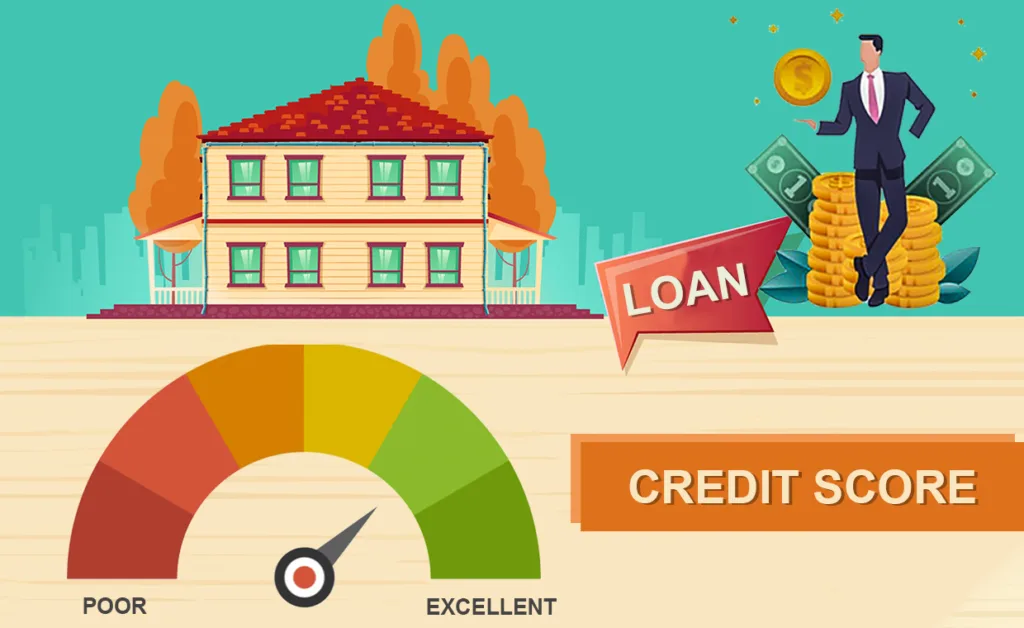
- What Is a Good Credit Score, and How Is It Determined? A good credit score typically falls within the range of 670 to 850, depending on the credit scoring model. FICO Scores, the most widely used credit scoring model, categorize credit scores as follows:
- Excellent: 800-850
- Very Good: 740-799
- Good: 670-739
- Fair: 580-669
- Poor: 300-579 Credit scores are determined by analyzing various factors, including payment history, credit utilization, length of credit history, credit mix, and new credit applications. Timely payments, low credit utilization, and a diverse credit mix contribute to higher scores, while late payments and excessive debt can lower your score.
- How Often Should I Check My Credit Score? Regularly monitoring your credit score is essential for staying informed about your credit health and detecting any potential inaccuracies or fraudulent activity. It is recommended to check your credit score at least once every three to six months. Many credit monitoring services offer free credit score updates, making it easier to keep track of changes in your credit profile.
- Can Closing Credit Cards Hurt My Credit Score? Closing credit cards can impact your credit score, particularly if the card being closed has a significant credit history or high credit limit. Closing a credit card reduces your available credit, which may increase your credit utilization ratio, potentially lowering your score. If you must close a credit card, consider paying off other debts to offset the impact on your credit utilization.
- What Are Some Lesser-Known Factors That Impact Credit Scores? In addition to the primary factors such as payment history and credit utilization, lesser-known factors can also influence credit scores. These may include the average age of your credit accounts, the number of recent credit inquiries, and the types of credit accounts you have. It’s essential to be aware of these factors and manage them responsibly to optimize your credit score.
- Does Shopping for a Loan Impact My Credit Score? When you shop for a loan or credit, multiple inquiries within a short period are often treated as a single inquiry for credit scoring purposes. This allows consumers to compare loan offers without significantly impacting their credit scores. However, it is best to limit credit inquiries to essential purchases, as excessive inquiries can raise concerns for lenders.
- How Long Does It Take to Rebuild Credit after a Negative Event? Rebuilding credit after a negative event, such as a late payment or default, takes time and consistent effort. The length of time varies depending on the severity of the negative event and your subsequent credit behavior. Generally, negative information remains on your credit report for seven to ten years. However, by practicing responsible credit habits and making on-time payments, you can gradually improve your credit score over time.
In conclusion, understanding credit scores and the factors that impact them is crucial for taking control of your financial health. By monitoring your credit regularly, practicing responsible credit habits, and staying informed about credit-related matters, you can work towards achieving and maintaining good credit. Remember that credit scores are dynamic and subject to change, so it’s essential to be proactive and make informed decisions to ensure a positive credit outlook.
Previous: Navigating the Real Estate Market: Tips for First-Time Homebuyers
Conclusion
Understanding, building, and maintaining good credit is an essential aspect of achieving financial stability and success. Armed with the knowledge and strategies provided in this comprehensive guide, you can take control of your credit health and make informed decisions to secure a brighter financial future. Remember, credit scores are not fixed; they can be improved over time with responsible credit management and a commitment to financial well-being. Take the first step towards better credit today.