

















The Basics of Personal Finance: Mastering Budgeting and Saving

Table of Contents
- Introduction
- Setting Financial Goals
- Understanding Your Income and Expenses
- Categorizing Expenses
- Creating a Practical Budget
- Budgeting Tips and Strategies
- The Foundation of Financial Success: Setting Financial Goals
- Why Setting Financial Goals Matters
- Making SMART Financial Goals
- Short-Term vs. Long-Term Financial Goals
- Prioritizing Your Financial Goals
- Aligning Goals with Your Values
- Reviewing and Adjusting Your Goals
- Understanding Your Income and Expenses
- Categorizing Expenses
- Budgeting Tips and Strategies
- The Benefits of Budgeting
- Mastering the Art of Saving: Effective Saving Strategies
- Understanding Investment Options: Growing Your Wealth
- FAQs on Budgeting and Saving
- Conclusion
Introduction
Managing personal finances is a crucial skill that everyone should master to achieve financial stability and success. Whether you’re just starting on your financial journey or looking to improve your money management skills, understanding the basics of personal finance is essential.
In this comprehensive guide, we will explore the fundamentals of personal finance, with a primary focus on budgeting and saving. From setting financial goals to creating a practical budget and implementing effective saving strategies, we will cover it all. Let’s embark on this journey to gain control over our finances and work towards a brighter financial future.
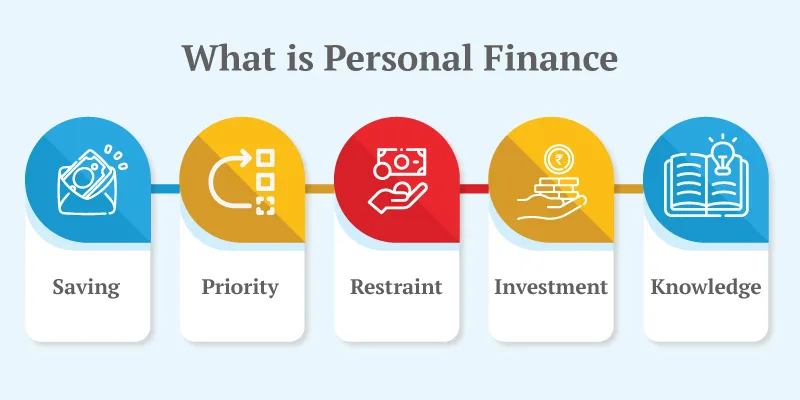
Personal finance is the foundation of financial well-being and success. It encompasses the management of an individual’s financial resources, including income, expenses, investments, and savings. Mastering personal finance is essential for achieving financial stability, managing debt, and working towards financial goals. In this section, we will explore the basics of personal finance with a specific focus on two critical aspects: budgeting and saving.
Understanding Personal Finance
At its core, personal finance involves making informed financial decisions to achieve both short-term and long-term financial goals. These decisions include how to allocate your income, prioritize expenses, save for the future, and invest wisely. The goal is to strike a balance between meeting current financial needs and securing a stable financial future.
The Significance of Budgeting
Budgeting is the cornerstone of effective personal finance. It involves creating a plan for managing your income and expenses, providing a clear roadmap for your financial journey. By budgeting, you gain control over your spending habits and can ensure that your expenses do not exceed your income.
Setting Financial Goals
The first step in mastering budgeting is to set clear financial goals. These goals can be short-term, such as saving for a vacation or paying off a credit card, or long-term, such as buying a home or planning for retirement. Financial goals give purpose to your budget and help prioritize your spending.
Understanding Your Income and Expenses
To create an effective budget, you must first understand your income and expenses. Calculate your total monthly income, including your salary, bonuses, and any additional sources of income. Next, list all your monthly expenses, such as rent or mortgage, utilities, groceries, transportation, and entertainment.
Categorizing Expenses
Organize your expenses into fixed and variable categories. Fixed expenses are regular, recurring payments that remain relatively constant each month, such as rent or mortgage payments. Variable expenses, on the other hand, fluctuate and include discretionary spending, such as dining out or shopping.
Creating a Practical Budget
With a clear understanding of your income and expenses, it’s time to create a practical budget. Allocate your income towards different expense categories, ensuring that essential needs are met and that you have enough left for savings and investments.
Budgeting Tips and Strategies
- Live Within Your Means: Avoid overspending and accumulating unnecessary debt by living within your means and budgeting sensibly.
- Build an Emergency Fund: Allocate a portion of your budget to create an emergency fund to cover unexpected expenses or emergencies.
- Track Your Spending: Regularly monitor your spending and compare it to your budget to identify areas where you may need to adjust your spending habits.
Mastering the Art of Saving
Saving is a fundamental aspect of personal finance that allows you to build financial security, achieve your goals, and prepare for emergencies. Effective saving strategies play a crucial role in your financial journey.
Pay Yourself First: The 50/30/20 Rule
One popular saving strategy is the 50/30/20 rule. This rule suggests allocating 50% of your income towards necessities, such as rent and utilities, 30% for discretionary spending, like dining out or entertainment, and 20% for savings and debt repayment.
Automate Your Savings
Automating your savings is a powerful way to ensure consistent contributions to your savings accounts. Set up automatic transfers from your checking account to your savings accounts on payday.
Take Advantage of Retirement Accounts
Contributing to retirement accounts, such as a 401(k) or Individual Retirement Account (IRA), offers tax advantages and allows your money to grow through compound interest over time.
The Path to Financial Success
Mastering budgeting and saving are vital steps on the path to financial success. By setting clear financial goals, creating a practical budget, and adopting effective saving strategies, you can take control of your finances and work towards a brighter financial future. Embrace the knowledge and tools presented in this guide, and let them empower you to make informed financial decisions and achieve your dreams. Remember that financial success is a journey, and each step you take brings you closer to your goals.
The Foundation of Financial Success: Setting Financial Goals
Setting financial goals is the bedrock of achieving financial success. It provides clarity and direction to your financial decisions, helping you prioritize your spending and saving effectively. Without clear financial goals, your financial journey becomes aimless, and it becomes challenging to measure progress or stay motivated. In this section, we will explore the importance of setting financial goals and guide you through the process of making SMART financial goals.
Why Setting Financial Goals Matters
- Focus and Direction: Financial goals give you a sense of purpose and direction in your financial journey. They act as a roadmap, guiding you towards your desired destination.
- Motivation: Clear financial goals provide the motivation to stay committed to your budget and saving strategies, especially during challenging times.
- Measuring Progress: With well-defined goals, you can track your progress and celebrate your achievements along the way.
Making SMART Financial Goals
Creating effective financial goals involves following the SMART criteria:
- Specific: Your goals should be clear and well-defined. Instead of setting a vague goal like “save money,” specify the exact amount you want to save and the purpose behind it, such as “save $5,000 for a vacation fund.”
- Measurable: Ensure that your goals are measurable, allowing you to track your progress. Use specific metrics to measure success, such as “reduce credit card debt by $1,000 in six months.”
- Achievable: Set realistic and attainable goals. While it’s essential to challenge yourself, setting unattainable goals can lead to frustration and disappointment.
- Relevant: Your goals should align with your overall financial aspirations and values. Ask yourself if the goal is relevant to your life and financial priorities.
- Time-bound: Set a clear deadline for achieving your goals. Establishing a timeline creates a sense of urgency and commitment.
Short-Term vs. Long-Term Financial Goals
Financial goals can be classified into short-term and long-term objectives:
- Short-Term Goals: Short-term goals typically span within the next year. They focus on immediate financial needs and aspirations, such as building an emergency fund, paying off credit card debt, or saving for a holiday trip.
- Long-Term Goals: Long-term goals extend beyond a year and often involve significant financial milestones, such as purchasing a home, funding a child’s education, or retiring comfortably.
Prioritizing Your Financial Goals
With various financial goals in mind, it’s essential to prioritize them based on their significance and urgency. Start by listing all your financial goals, both short-term and long-term. Then, rank them in order of importance and urgency.
Aligning Goals with Your Values
Ensure that your financial goals align with your values and life aspirations. Your goals should reflect what matters most to you, whether it’s achieving financial independence, traveling the world, or giving back to the community.
Reviewing and Adjusting Your Goals
As life circumstances change, you may need to review and adjust your financial goals. Regularly assess your progress and make necessary adjustments to your goals to stay on track.
Setting financial goals is not a one-time task. It’s an ongoing process that requires dedication and periodic evaluation. By making SMART financial goals and staying committed to them, you set yourself on a path toward financial success and fulfillment. Remember that each step you take, no matter how small, brings you closer to achieving your dreams.
Creating a Personal Budget: The Blueprint for Financial Success
Creating a personal budget is an essential step in achieving financial success and stability. It serves as a blueprint for managing your finances, helping you gain control over your money and work towards your financial goals. By understanding your income, expenses, and financial priorities, you can make informed decisions and avoid unnecessary debt. Let’s delve deeper into the process of creating a personal budget and explore the key elements that contribute to financial success.
Understanding Your Income and Expenses
The first step in creating a personal budget is to gain a comprehensive understanding of your income and expenses. Start by calculating your total monthly income, which includes your salary, bonuses, commissions, and any additional sources of income. If you have irregular income, such as freelancing or commission-based work, calculate an average based on past earnings.
Next, list all your monthly expenses. Include both fixed expenses, which are recurring and relatively constant each month, and variable expenses, which may fluctuate. Fixed expenses include rent or mortgage payments, utility bills, insurance premiums, and loan payments. Variable expenses encompass discretionary spending, such as dining out, entertainment, shopping, and other non-essential items.
Categorizing Expenses
To create a well-organized budget, categorize your expenses into different groups. Common expense categories include housing, utilities, transportation, groceries, healthcare, debt payments, entertainment, and savings. By categorizing expenses, you gain a clear picture of where your money is going and can identify areas where you can potentially cut back on spending.
Budgeting Tips and Strategies
Creating a personal budget involves more than just listing income and expenses. It requires making practical decisions and implementing effective strategies to achieve financial success. Here are some essential budgeting tips and strategies:
- Live Within Your Means: One of the fundamental principles of budgeting is to live within your means. Ensure that your total expenses do not exceed your total income. If you find that your expenses exceed your income, it’s essential to make adjustments and prioritize essential spending.
- Build an Emergency Fund: Building an emergency fund is a crucial aspect of budgeting. Allocate a portion of your budget to create an emergency fund that can cover unexpected expenses, such as medical emergencies or car repairs. An emergency fund acts as a financial safety net and prevents you from relying on credit cards or loans during challenging times.
- Track Your Spending: Regularly monitor your spending and compare it to your budget. Tracking your spending helps you stay accountable and ensures that you stay on track with your financial goals. Consider using budgeting apps or tools to simplify this process and gain insights into your spending patterns.
- Prioritize Debt Repayment: If you have existing debts, such as credit card debt or student loans, allocate a portion of your budget to debt repayment. Focus on paying off high-interest debts first, as this can significantly reduce the total interest you’ll pay over time.
- Save for the Future: Budgeting is not just about managing current expenses—it’s also about planning for the future. Allocate a portion of your budget to savings and investments, such as retirement accounts or a high-yield savings account. Consistent saving and investing allow your money to grow over time and work towards achieving long-term financial goals.
The Benefits of Budgeting
Creating a personal budget comes with numerous benefits that contribute to your overall financial well-being:
- Financial Awareness: Budgeting provides a clear picture of your financial situation, enabling you to make informed decisions and set realistic financial goals.
- Debt Management: With a budget in place, you can effectively manage your debts and avoid accumulating unnecessary debt.
- Improved Spending Habits: Budgeting helps you identify areas of excessive spending and encourages more mindful and purposeful spending.
- Achievement of Financial Goals: By allocating funds to specific financial goals, such as buying a home or starting a business, you can work towards achieving them more efficiently.
- Reduced Financial Stress: Budgeting provides a sense of financial security and reduces stress related to money management.
Mastering the Art of Saving: Effective Saving Strategies
Saving money is a vital aspect of personal finance. It enables you to achieve financial goals, handle emergencies, and build wealth over time.
Pay Yourself First: The 50/30/20 Rule
A popular saving strategy is the 50/30/20 rule. Allocate 50% of your income towards necessities, 30% for discretionary spending, and 20% for savings and debt repayment.
Automate Your Savings
Automating your savings ensures consistent contributions to your savings accounts. Set up automatic transfers to your savings accounts on payday.
Take Advantage of Retirement Accounts
Contribute to retirement accounts like a 401(k) or IRA to benefit from tax advantages and compound interest.
Understanding Investment Options: Growing Your Wealth
Investing is a crucial aspect of personal finance that allows you to grow your wealth and achieve long-term financial goals.
Types of Investments
There are various investment options, including stocks, bonds, real estate, mutual funds,
and more. Each investment type comes with its risks and rewards.
Diversification
Diversifying your investment portfolio reduces risk. Allocate your investments across different asset classes and industries.
Assessing Risk Tolerance
Understand your risk tolerance to determine the right investment approach. Conservative investors may opt for lower-risk investments, while aggressive investors may pursue higher-risk opportunities.
FAQs on Budgeting and Saving
- What is the 50/30/20 rule, and how does it work?
The 50/30/20 rule is a budgeting strategy that allocates 50% of your income to necessities, 30% to discretionary spending, and 20% to savings and debt repayment. - How can I save money on a tight budget?
Saving on a tight budget requires prioritizing expenses, cutting back on discretionary spending, and seeking opportunities to increase income. - Is it better to pay off debt or save money first?
It depends on your financial situation. Generally, it’s wise to pay off high-interest debts first before focusing on saving.
Conclusion
Mastering the basics of personal finance, including budgeting and saving, is a transformative journey that leads to financial freedom and security. By setting clear financial goals, creating a budget, and adopting effective saving strategies, you can take control of your finances and work towards a brighter financial future. Embrace the knowledge and tools presented in this guide, and let it empower you to make informed financial decisions and achieve your dreams.



Trackbacks/Pingbacks