


















Serious Games in the Classroom: Playful Solutions for Complex Learning
Introduction
In the digital age, traditional teaching methods are being challenged by innovative approaches that leverage technology to create a more engaging and interactive learning environment. One such approach gaining momentum is the use of Serious Games in the Classroom. Unlike conventional educational games, Serious Games are specifically designed to achieve learning objectives while maintaining an element of fun and playfulness. In this comprehensive article, we will delve into the world of Serious Games, exploring their potential as playful solutions for complex learning in educational settings.
The Rise of Serious Games in Education
In recent years, the world of education has undergone a remarkable transformation, driven by the integration of technology and innovative teaching methodologies. Among these cutting-edge approaches, Serious Games have emerged as a powerful tool, revolutionizing the way students engage with educational content. This section delves into the rise of Serious Games in education, exploring the factors that have contributed to their growing popularity and impact on modern learning environments.
Understanding Serious Games
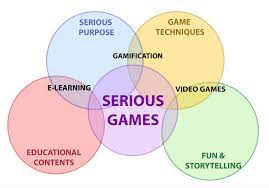
Serious Games, also known as educational games, are interactive digital experiences designed with specific learning objectives in mind. Unlike conventional video games primarily focused on entertainment, Serious Games leverage game mechanics and elements to facilitate learning in an engaging and enjoyable manner. These games address a wide range of subjects and academic levels, catering to diverse educational needs.
Bridging Fun and Learning
The primary appeal of Serious Games lies in their ability to seamlessly blend fun and learning. By presenting educational content in a game-like format, these interactive experiences capture students’ attention and motivation, creating an immersive learning environment. The incorporation of playful elements helps alleviate the monotony often associated with traditional teaching methods, encouraging active participation and knowledge retention.
The Influence of Technological Advancements
The rise of Serious Games in education is closely linked to rapid advancements in technology. With the proliferation of smartphones, tablets, and computers, students now have easy access to digital platforms that facilitate game-based learning. Additionally, the development of sophisticated game engines and educational software has empowered educators to create custom-tailored Serious Games that align with their curriculum.
Tailored Learning Experiences
One of the key drivers of the popularity of Serious Games is their ability to deliver tailored learning experiences. These games can adapt to individual students’ progress and provide personalized feedback, allowing educators to address each student’s unique learning needs. As a result, Serious Games cater to diverse learning styles, ensuring that students receive the support and challenges they require to thrive academically.
Engagement and Motivation
Traditional teaching methods often struggle to maintain students’ engagement and motivation throughout a lesson. Serious Games, on the other hand, captivate students’ interest by presenting educational content in an interactive and dynamic format. As students progress through the game, they receive immediate feedback and rewards, fostering a sense of achievement that encourages them to persist in their learning journey.
Measurable Learning Outcomes
Serious Games offer a valuable advantage in terms of assessing learning outcomes. Through the collection of data and performance metrics, educators can gain insights into students’ progress and identify areas that require further attention. This data-driven approach to assessment enhances the effectiveness of the learning process, allowing educators to make data-informed decisions to optimize their teaching strategies.
Augmented Learning Environments
Incorporating Serious Games into the classroom transforms traditional learning environments into augmented spaces of exploration and discovery. Students are no longer passive recipients of information; instead, they actively engage with the content, becoming key players in their learning journey. This shift empowers students to take ownership of their education and fosters a sense of responsibility for their academic success.
Collaborative Learning Opportunities
Serious Games often feature collaborative elements that encourage students to work together to solve problems and achieve shared goals. By promoting teamwork and communication, these games foster essential skills for success in the modern workforce, where collaboration is highly valued. Moreover, collaborative learning experiences promote a sense of community and support among students, creating a positive and inclusive learning environment.
Addressing Real-World Challenges
Some Serious Games tackle complex real-world challenges, allowing students to explore issues such as climate change, social justice, and sustainability in a safe and educational context. These games cultivate critical thinking and empathy, encouraging students to develop a deeper understanding of the world around them and inspiring them to become active global citizens.
An Evolving Landscape
As technology continues to advance, the landscape of Serious Games in education is constantly evolving. From virtual reality experiences to artificial intelligence-driven adaptations, the possibilities for innovative educational games are endless. As educators and developers collaborate to create increasingly sophisticated Serious Games, their potential to transform education for generations to come becomes ever more apparent.
Check out: Game Design for Learning: Creating Effective Educational Experiences
Designing Effective Serious Games
Effective design lies at the heart of creating impactful Serious Games for educational settings. These games are not just about fun and play; they are carefully crafted learning experiences that align with specific educational objectives. In this section, we will explore the key elements and strategies for designing Serious Games that effectively facilitate complex learning.
1. Aligning Learning Objectives with Game Mechanics
The success of Serious Games hinges on its ability to seamlessly integrate learning objectives with engaging game mechanics. Before embarking on the design process, educators must clearly define the desired learning outcomes they aim to achieve through the game. Whether it’s improving problem-solving skills, enhancing critical thinking, or reinforcing subject-specific knowledge, the game mechanics should directly support these goals.
For example, in a mathematics Serious Game designed to teach fractions, the game mechanics could involve interactive quizzes, puzzles, and challenges that require players to apply their knowledge of fractions in various scenarios. By ensuring that every aspect of the game reinforces the targeted learning objectives, educators can maximize the game’s educational impact.
2. The Role of Storytelling in Serious Games
Compelling storytelling is a powerful tool that enhances the immersive experience of Serious Games. Storytelling not only captivates the players’ attention but also contextualizes the learning content within a meaningful narrative. Through engaging characters, plotlines, and scenarios, Serious Games can create emotional connections with players, making the learning experience more memorable and impactful.
When designing the narrative for a Serious Game, educators should carefully align it with the learning objectives and game mechanics. The story should present challenges and opportunities that require players to apply their knowledge and skills in relevant contexts. By incorporating storytelling elements, educators can elevate the Serious Game beyond a mere educational tool and transform it into an interactive and memorable learning adventure.
3. Leveraging Gamification Principles
Gamification principles play a pivotal role in the design of Serious Games, motivating students to actively participate in the learning process. Gamification involves applying game design elements, such as points, rewards, badges, and leaderboards, to non-game contexts like education. These elements incentivize progress and achievements, encouraging players to stay engaged and strive for continuous improvement.
For instance, a language learning Serious Game could incorporate a reward system that grants points for correctly answering vocabulary questions or completing language exercises. Players can earn badges as they progress to higher language proficiency levels, fostering a sense of accomplishment and recognition.
By strategically applying gamification principles, educators can instill a sense of challenge, competition, and achievement within the Serious Game, driving students’ motivation to learn and excel.
4. Playtesting and Iterative Design
Creating effective Serious Games often involves an iterative design process. Playtesting is a critical step in refining the game’s mechanics and overall experience. During playtesting, educators and developers observe how players interact with the game, identify potential issues or challenges, and gather feedback on the game’s effectiveness in achieving the learning objectives.
Based on the insights gained from playtesting, the design team can make necessary adjustments and improvements to enhance the game’s educational value. This iterative approach ensures that the Serious Game evolves into a finely-tuned educational tool that effectively addresses the targeted learning outcomes.
5. Accessibility and Inclusivity
As with any educational resource, designing Serious Games with accessibility and inclusivity in mind is essential. Educators should consider factors such as user interface design, navigation options, and providing alternative means of interaction for students with diverse needs.
The inclusive design ensures that all students, regardless of their abilities or learning preferences, can fully engage with and benefit from the Serious Game. By making the game accessible to a broader audience, educators can create a more inclusive and equitable learning environment.
Check out: Educational Board Games: A Timeless Approach to Learning and Fun
Implementing Serious Games in the Classroom
Implementing Serious Games in the classroom requires thoughtful planning, collaboration among educators, and a clear understanding of how these games align with educational objectives. While the benefits of Serious Games are substantial, educators may encounter challenges during the implementation process. In this section, we will explore best practices and strategies for successfully integrating Serious Games into the educational environment.
1. Overcoming Barriers to Adoption
The integration of Serious Games into the classroom may face resistance or encounter various challenges. Some common barriers include:
Limited Technological Infrastructure
Many schools may lack the necessary technological infrastructure to support the seamless integration of Serious Games. Slow internet connectivity, outdated devices, or limited access to technology can hinder the implementation process.
Lack of Training and Familiarity
Educators may be unfamiliar with Serious Games or lack the necessary training to incorporate them effectively into the curriculum. This lack of familiarity can lead to apprehension and resistance to change.
Curriculum Alignment
For Serious Games to be effective, they must align with the existing curriculum and educational standards. If educators perceive a mismatch between game content and learning objectives, they may be hesitant to adopt them.
Time Constraints
Educators often face time constraints within the curriculum, leaving limited room for additional activities like Serious Games. Finding the right balance between game-based learning and traditional instruction is essential.
To overcome these barriers, schools and educational institutions should invest in upgrading their technological infrastructure and provide training and professional development opportunities for educators. Additionally, collaborative efforts among teachers, administrators, and game developers can ensure that Serious Games are aligned with the curriculum and seamlessly integrated into classroom activities.
2. Integrating Serious Games into the Curriculum
The successful integration of Serious Games requires a well-thought-out plan that aligns with the curriculum’s learning objectives. Consider the following steps:
Conduct a Curriculum Assessment
Before implementing Serious Games, conduct a comprehensive assessment of the curriculum to identify areas where game-based learning can enhance students’ understanding and engagement.
Identify Learning Objectives
Clearly outline the learning objectives that each Serious Game should achieve. By defining specific goals, educators can measure the games’ effectiveness in supporting student learning.
Select Appropriate Games
Choose Serious Games that align with the identified learning objectives and cater to students’ age, grade level, and interests. Different games may be suitable for various subjects and student demographics.
Integrate Games Seamlessly
Introduce Serious Games into the classroom in a way that seamlessly blends with existing instructional methods. Ensure that games are used as complementary tools rather than separate entities.
3. Assessment and Evaluation of Serious Games
Evaluating the impact of Serious Games on student learning is essential to gauge their effectiveness. Consider the following assessment and evaluation strategies:
Monitor Student Progress
Regularly track students’ progress and performance while engaging with Serious Games. This data can provide insights into individual learning trajectories.
Gather Student Feedback
Solicit feedback from students regarding their experiences with Serious Games. Their insights can help educators understand the games’ strengths and areas for improvement.
Analyze Learning Outcomes
Compare students’ learning outcomes between traditional instructional methods and Serious Games. Analyzing the differences can provide valuable information about the games’ effectiveness.
Measure Engagement Levels
Assess students’ engagement levels while using Serious Games. Higher levels of engagement are indicative of a successful implementation.
By implementing assessment and evaluation strategies, educators can determine the impact of Serious Games on student learning and make data-driven decisions regarding their integration into the curriculum.
The Impact of Serious Games on Student Learning
The integration of Serious Games into the classroom has a profound impact on student learning outcomes. In this section, we’ll explore the research and case studies that highlight the positive effects of Serious Games on students’ academic performance.
1. Enhancing Student Engagement
Serious Games offer a unique approach to capturing students’ attention and promoting active participation. We’ll examine how these games contribute to increased engagement and enthusiasm for learning.
2. Fostering Critical Thinking and Problem-Solving Skills
The interactive nature of Serious Games stimulates critical thinking and problem-solving abilities in students. We’ll explore how these games cultivate essential skills that are valuable for academic and real-world challenges.
3. Personalized Learning and Adaptive Feedback
Serious Games can adapt to individual student progress, providing personalized learning experiences. We’ll delve into the significance of adaptive feedback and its role in supporting each student’s learning journey.
Integrating Serious Games in Specific Subjects
Serious Games are versatile and can be implemented across various subjects to enhance learning experiences. In this section, we’ll explore how these games can be effectively integrated into specific academic disciplines.
1. Mathematics and Logic
Discover how Serious Games can transform the learning experience in mathematics and logic, making abstract concepts more tangible and enjoyable for students.
2. Science and Exploration
Serious Games open new frontiers for science education by enabling students to explore complex scientific phenomena through immersive virtual experiences.
3. Language Arts and Literature
Incorporating Serious Games in language arts and literature subjects enhances students’ language skills and literary comprehension through interactive storytelling and character-driven experiences.
Check out: Educational Apps and Games: Tools for Engaging and Effective Learning
The Future of Serious Games in Education
As the educational landscape continues to evolve, Serious Games are poised to play an increasingly significant role in shaping the future of education. In this section, we’ll explore emerging trends and possibilities for Serious Games in education.
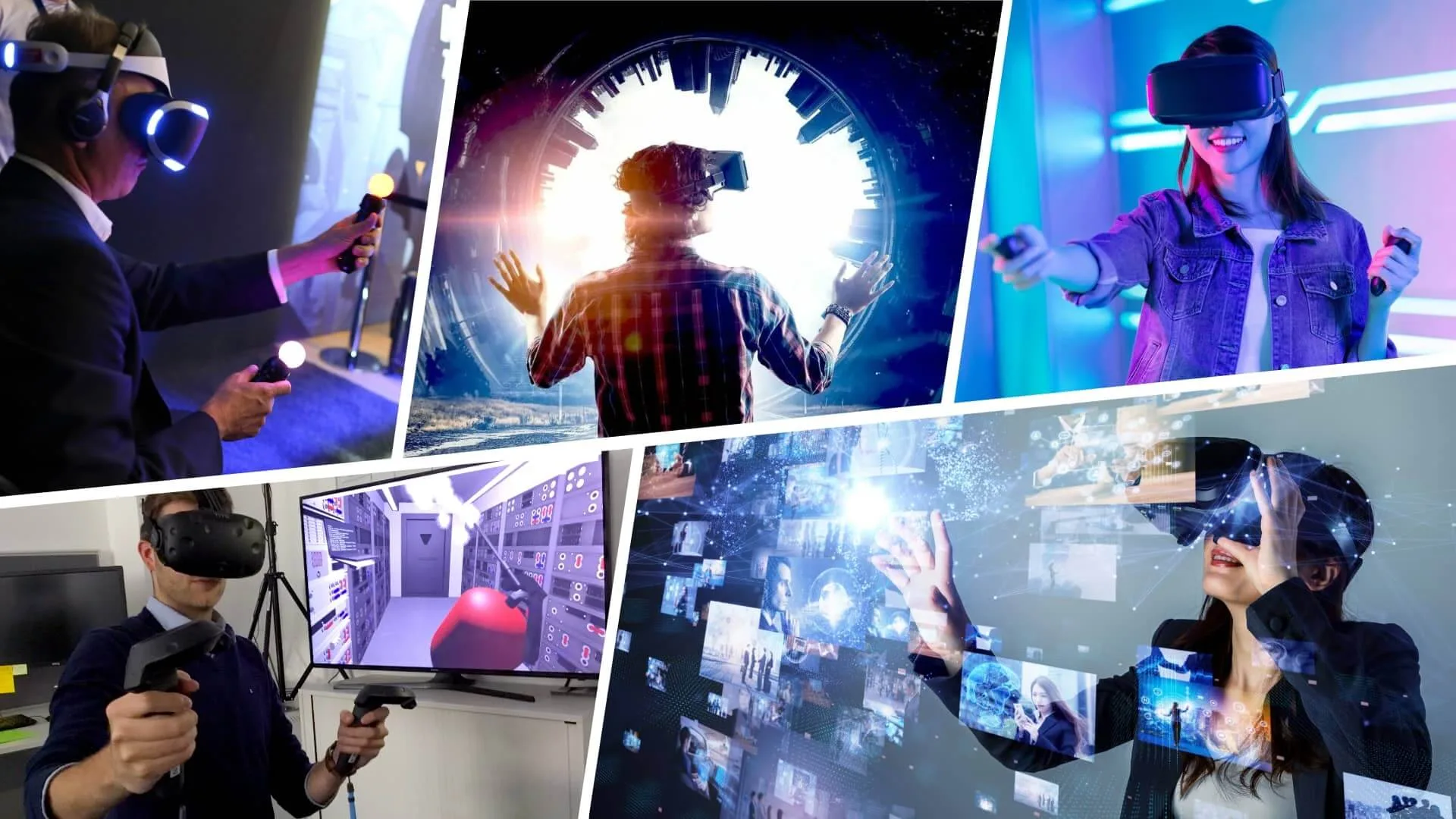
1. Virtual Reality and Immersive Experiences
Advancements in virtual reality technology offer exciting possibilities for creating immersive and interactive learning experiences through Serious Games.
2. Adaptive Learning and Artificial Intelligence
The integration of artificial intelligence in Serious Games can pave the way for adaptive learning experiences tailored to individual student’s needs and learning styles.
3. Collaboration and Multiplayer Learning
Serious Games can promote collaborative learning experiences, enabling students to work together in multiplayer settings to solve problems and achieve shared goals.
Conclusion
In conclusion, Serious Games in the Classroom represent a paradigm shift in educational approaches, blending playfulness with complex learning objectives. As technology continues to advance, the potential for Serious Games to revolutionize education is limitless. By embracing these playful solutions, educators can unlock new possibilities for student engagement, motivation, and academic success in the dynamic and ever-evolving landscape of modern education.


Trackbacks/Pingbacks